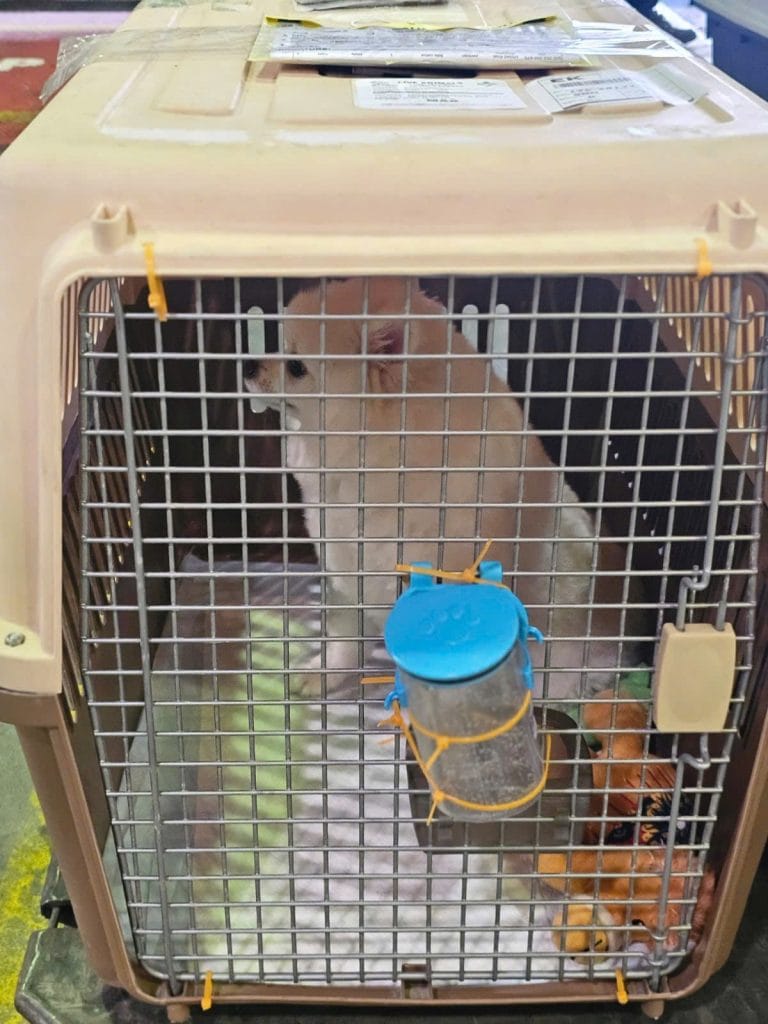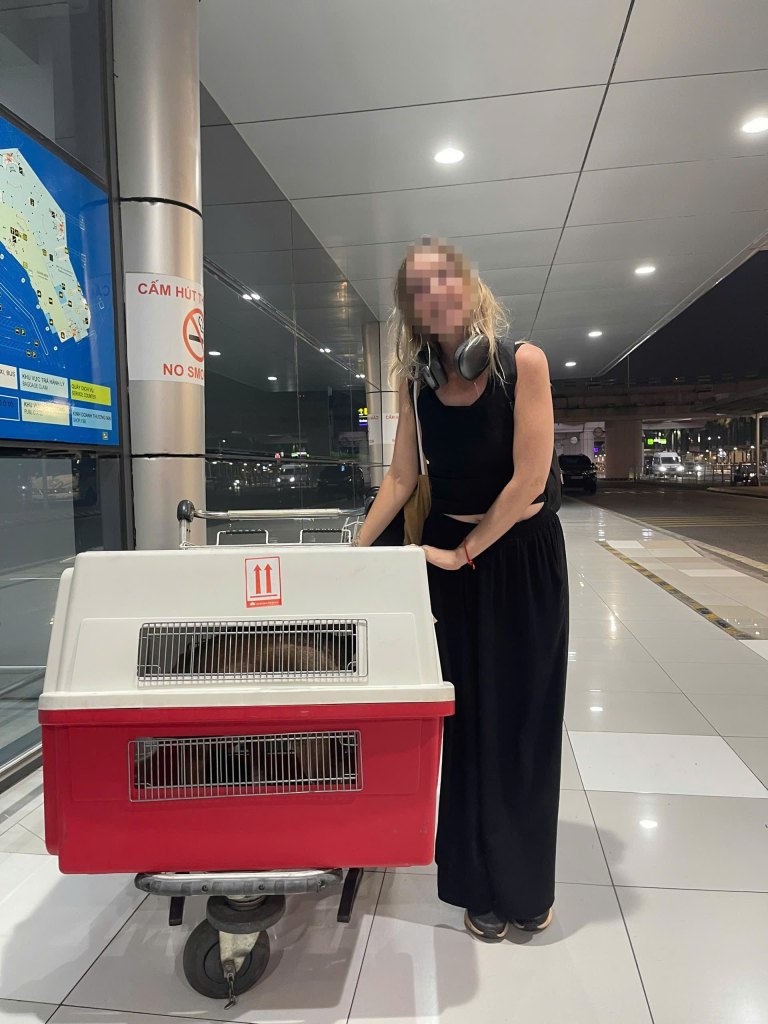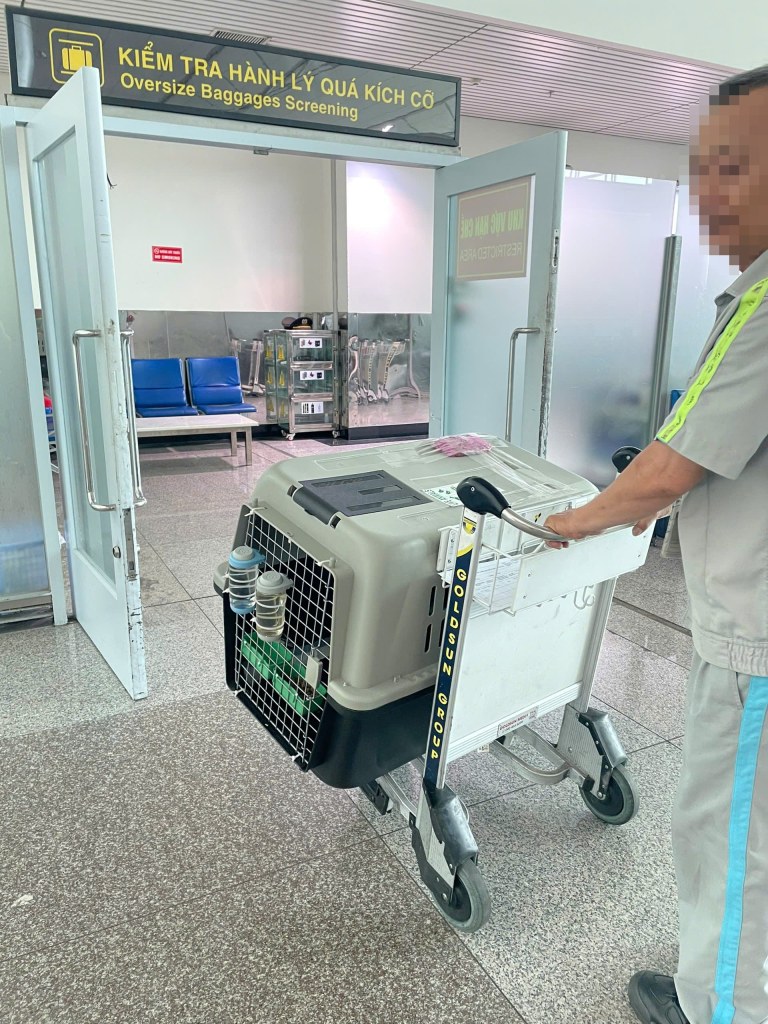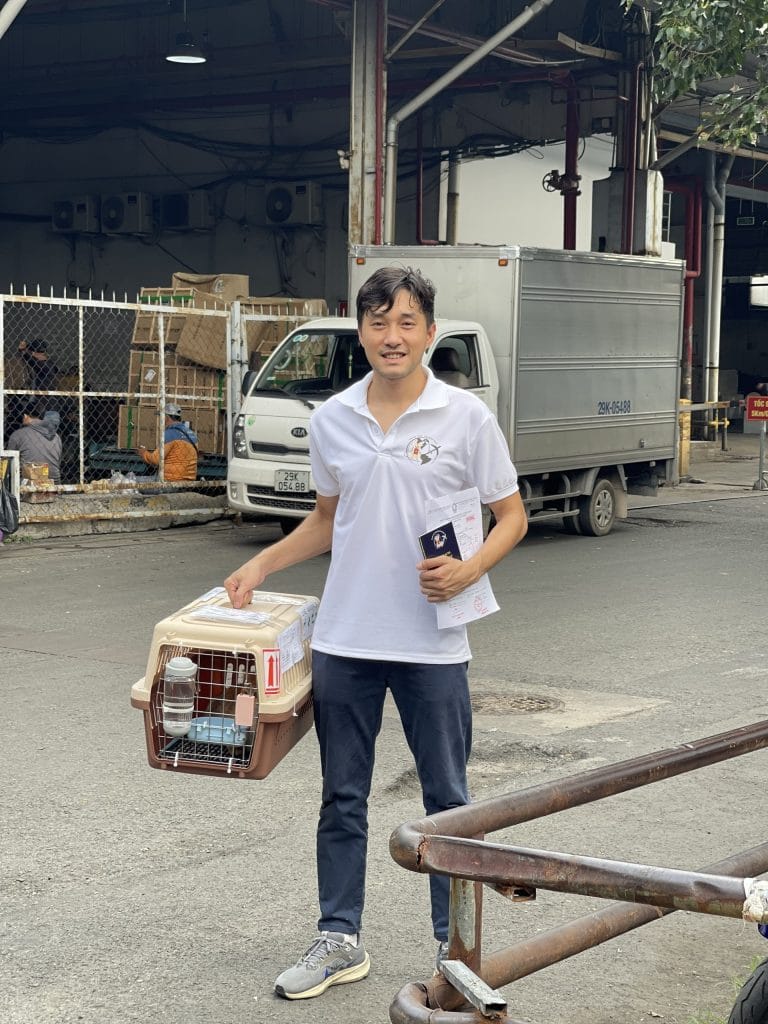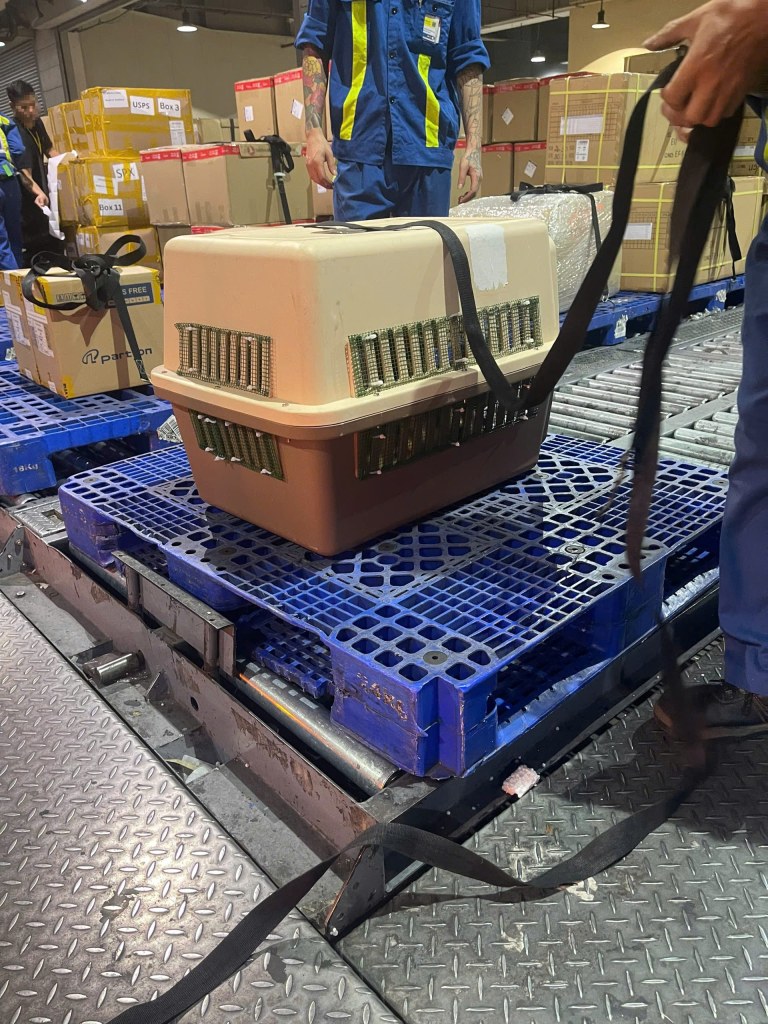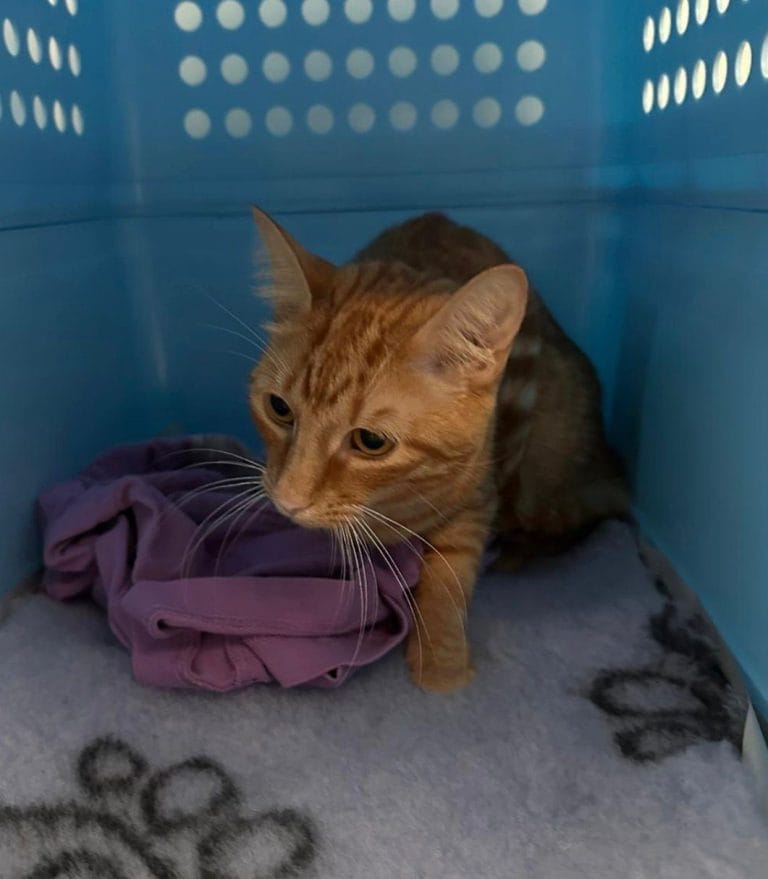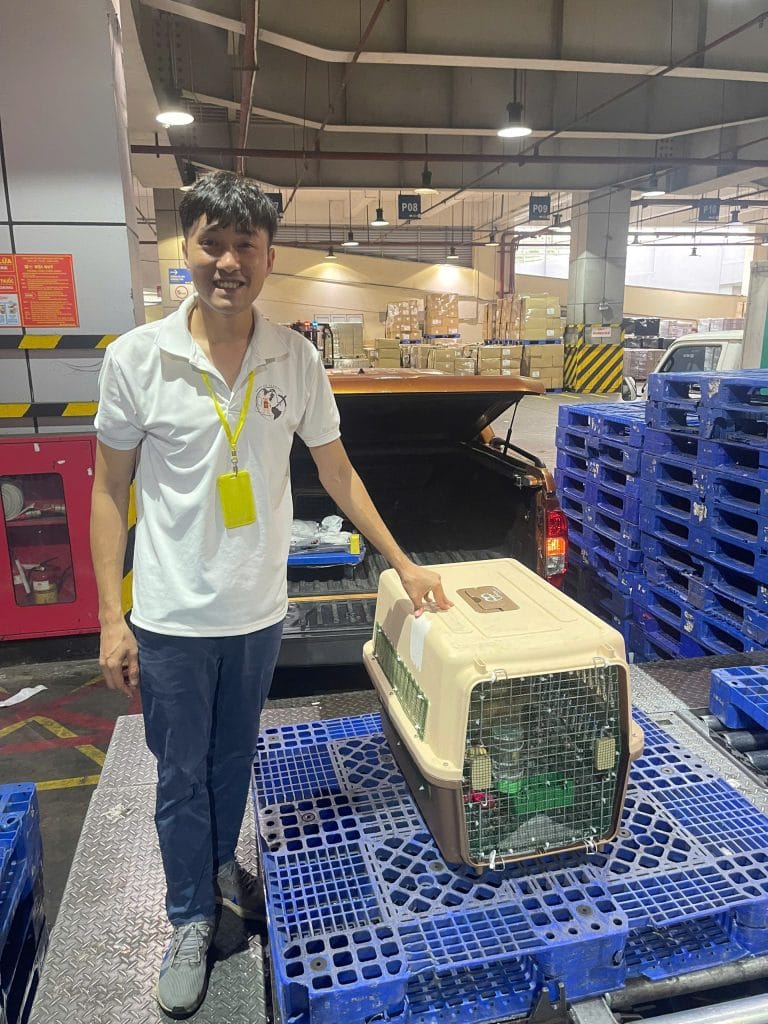
If you are planning to relocate your dog or cat to Australia, your first instinct is likely to open a spreadsheet, bookmark the Australian Department of Agriculture, Fisheries and Forestry (DAFF) website, and start calculating how much money you can save by doing it yourself. It seems simple enough on screen—get a microchip, update vaccines, book a rabies titer test, apply for an import permit, and buy a plane ticket. But here is the biosecurity reality that government websites do not warn you about: Australia’s import process is not a checklist of paperwork—it is a rigid, zero-tolerance biosecurity protocol where a single clerical mismatch, a misplaced vaccine batch number, or a one-day timing error will trigger immediate border seizure, mandatory re-export, or humane euthanasia at your expense.
In the world of international logistics, Australia is widely considered “Level 5” difficulty. The country’s unique island ecosystem makes its authorities exceptionally protective, enforcing a strict 180-day biosecurity architecture. Vietnam is classified as a Non-Approved Country under DAFF rules — the one category with no direct pathway into Australia at all — so the journey is even more complex, requiring a multi-phase transit through an approved Group 2 or Group 3 hub like Singapore. In this guide, we provide a transparent, realistic comparison between navigating DIY pet travel to Australia versus partnering with a professional relocation agent, helping you make the safest decision for your family. For the complete process from start to finish, see our full guide to pet shipping from Vietnam to Australia.
Side-by-Side Comparison Matrix
To understand the practical difference between managing the relocation yourself versus hiring a certified agent, let us look at the operational realities of both pathways:
| Operational Phase | DIY (Do-It-Yourself) Pathway | Professional Relocation Pathway |
|---|---|---|
| Timeline Coordination | High risk. You must manually calculate the 180-day biological waiting period, vaccine intervals, and blood draw dates. A mistake of even one day invalidates the import permit. | Guaranteed compliance. Specialists build a backward-scheduled timeline based on your target arrival date, managing every veterinary appointment and documentation window. |
| Lab Reports & Paperwork | Vulnerable to clerical typos. Local veterinarians frequently write microchip read dates or vaccine batch numbers incorrectly on the official export forms, causing automatic border rejection. | Triple-audited accuracy. Every veterinary document, laboratory report, and microchip certificate is checked by the relocation team before submission to DAFF. |
| Airline Booking Access | Severely restricted. Most major 5-star airlines (Singapore Airlines, Qantas, Emirates) do not accept Manifest Cargo bookings from private individuals. | Direct booking authority. Agents maintain direct corporate accounts with cargo airlines, securing confirmed space in climate-controlled live animal holds. |
| Transit Hub Management | Extremely complex. You must coordinate transits through Singapore, manage customs clearance, hire a local agent for Changi quarantine, and arrange transit boarding. | Seamless transit. The agent coordinates with their partner network to handle flight layovers, veterinary check-ins at Singapore Changi, and customs transfers. |
| Quarantine Slot Reservation | Difficult to secure. Slots at the Mickleham Quarantine Facility in Melbourne are highly limited. Private bookings often face months of delay. | Priority coordination. Relocation agents coordinate the quarantine slot Booking ID directly with flight schedules, ensuring your pet is not stranded due to scheduling gaps. |
| Risk of Border Seizure | High. Any mismatch at Melbourne Airport results in immediate quarantine isolation, re-export, or euthanasia. The owner bears all liability. | Zero biosecurity risk. The agent’s pre-flight audit guarantees that the pet’s biosecurity file is 100% compliant before the plane ever leaves the tarmac. |
The DAFF Biosecurity Matrix: Why Paperwork is Not Just “Form Filling”
Most pet owners assume that import paperwork is merely administrative—a matter of filling out fields on a PDF. In the field of international live animal relocation—this is the most common point of failure.
Australia’s Department of Agriculture, Fisheries and Forestry (DAFF) operates under a zero-tolerance policy. If a document contains a minor typographical error, a biosecurity officer will not call your local vet to clarify. They will simply reject the permit or seize the animal at the border.
Consider Leo, a Golden Retriever whose owner self-managed the rabies titer test. The local veterinarian recorded the microchip read date as one day after the blood draw on the export paperwork. To the human eye, it was a minor date typo. To DAFF, it was a critical biosecurity breach—the dog’s identity could not be legally verified at the exact moment of the blood draw. The import permit was rejected, and the dog was barred from entering Australia. The owner had to pay for Leo to be shipped to Singapore to restart the entire 180-day timeline, costing an extra $6,500 USD in emergency boarding, laboratory, and flight fees. This is why a professional Pet Transport Agent conducts a multi-level audit of every document before any blood is drawn.
The Flight Booking Dilemma: Cargo vs. Checked Baggage
When traveling with a pet to most countries, you can often book them as “Checked Baggage” (AVIH) or “In-Cabin” (PETC) on your passenger ticket. If you are shipping a pet to Australia—these options are legally and operationally impossible.
Under Australian biosecurity law, all dogs and cats must enter the country exclusively as Manifest Cargo. This means your pet is treated as an independent shipment with its own Air Waybill (AWB). They must travel in a specialized, pressurized, and temperature-controlled cargo hold designed for live animals.
Here is where things get complicated for DIY owners: major international airlines do not accept Manifest Cargo bookings from private individuals. To prevent safety incidents and flight delays, airlines like Singapore Airlines, Emirates, and Qantas mandate that all live animal cargo space must be booked through an approved cargo agent. Without an agent, you literally cannot buy a ticket for your pet. For a deeper understanding of these regulations, refer to our comprehensive guide on Australia Pet Import Regulations 2026.
The Singapore Transit Hub Strategy: Coordinating a Non-Approved Country Move
Because Vietnam is a Non-Approved Country, pets cannot fly directly to Australia — that classification is exactly why the multi-phase transit exists in the first place. They must undergo a complex Group 2 transit protocol, which typically involves routing through Singapore.
During this transit, your pet must be cleared through Singapore customs, transferred to the animal quarantine station at Changi Airport, examined by a government veterinarian, and held in a designated facility before boarding their second flight to Melbourne. Coordinating this process requires:
- A local Singapore pet agent to handle customs clearance and physical transfers at Changi.
- Precise timing: The layover must align perfectly with the operation hours of the Changi veterinary station and the flight schedules.
- Double import-export permits: You must apply for both a Singapore transshipment license and an Australian import permit simultaneously, ensuring their validity dates overlap.
For a private individual, managing these moving parts across multiple time zones and government portals is an operational nightmare. A single delay in the first flight can cause your pet to miss their veterinary window in Singapore, leaving them stranded without shelter or care. Relocation specialists eliminate this risk by utilizing their partner network to coordinate ground handling, customs, and veterinary care at every transit point.
Financial Reality Check: Is DIY Actually Cheaper?
The primary motivation for DIY pet travel is to save money. However, in the high-stakes environment of Australian biosecurity, DIY is often the most expensive route you can take.
When you hire a professional service, you pay a transparent, upfront fee that covers the compliance architecture, flight coordination, and documentation audits. When you attempt a DIY move, you expose yourself to massive, unpredictable emergency costs:
- Failed Document Fees: If DAFF rejects your import permit application due to an error, the application fee of $480 AUD is non-refundable. You must correct the error and pay the fee again.
- Daily Quarantine Extensions: If your pet arrives at the Mickleham facility with missing vaccines or unresolved paperwork, they will be held in quarantine beyond the mandatory 10 days. The cost of extended isolation husbandry is $53 AUD per day, plus veterinary check fees.
- Re-Export Catastrophe: If your pet is deemed ineligible for entry upon arrival, you must pay for their immediate re-export to an approved country. Between airline cargo rates, emergency boarding in Singapore, and new veterinary tests, this emergency measure easily exceeds $10,000 AUD (~160 million VNĐ).
Partnering with a specialist is not an added luxury; it is a critical insurance policy. It guarantees that your pet’s biosecurity file is flawless, ensuring a smooth, single-attempt entry with zero risk of emergency expenses or quarantine delays. To evaluate the full scale of these expenses, review our detailed guide on Costs for Shipping Pets to Australia.
Actionable Checklist: Are You Ready for DIY?
Before you commit to managing your pet’s relocation to Australia on your own, ask yourself if you have the operational capability to manage these critical tasks:
- Access: Do you have a direct corporate account with Qantas, Singapore Airlines, or Emirates Cargo to book live animal Manifest Cargo space?
- Network: Do you have a vetted ground agent in Singapore to handle physical customs clearance and veterinary check-ins during the flight layover?
- Audit Capability: Can you confidently verify that your local vet’s rabies titer report, microchip registration, and vaccine batches perfectly match the exact biosecurity formatting required by DAFF?
- Buffer Time: Do you have the free time to monitor the Mickleham quarantine booking system daily to secure a reservation slot that perfectly aligns with your pet’s 180-day wait period?
- Financial Cushion: Can you comfortably afford a $10,000 AUD emergency charge if a document error results in your pet being seized and re-exported at Melbourne Airport?
If you answered “no” to even one of these questions, managing the relocation yourself is an unacceptable risk to your pet’s safety and your family’s peace of mind. The safest, most efficient pathway is to delegate the compliance architecture to professionals who handle these complexities every day.
The Bottom Line
When it comes to shipping a pet to Australia, the difference between DIY and professional relocation is the difference between hope and certainty.
A DIY move relies on hoping that your vet made no typos, hoping the airline accepts your booking, and hoping the biosecurity officer at Melbourne Airport is lenient. A professional relocation relies on a rigorous, triple-audited compliance system that leaves absolutely nothing to chance. Your pet is a beloved member of your family—do not make their safe arrival a gamble. Invest in professional expertise, audit every document, and ensure their journey home is seamless, safe, and stress-free.
Last updated 7 Oct 2026
Compiled by our specialists from the regulations in force on the date above, for reference only. Rules may change after this date. Please verify with the competent authorities or contact us for the most accurate information.
Official sources cited in this guide
- Department of Agriculture, Fisheries and Forestry (DAFF)agriculture.gov.au