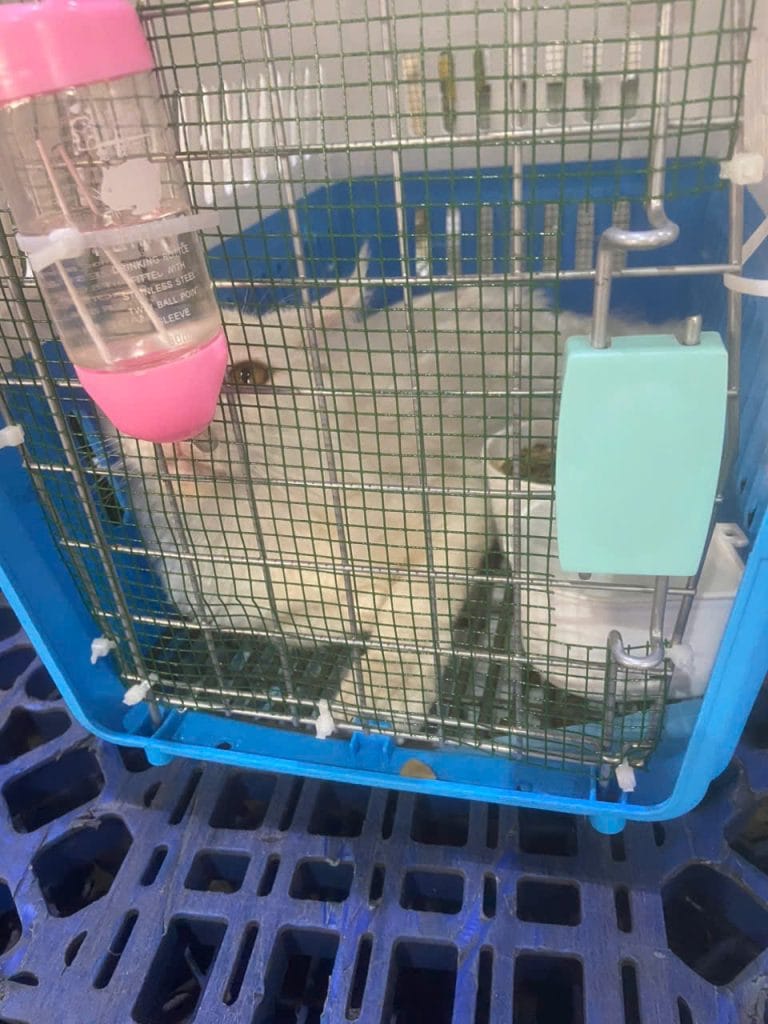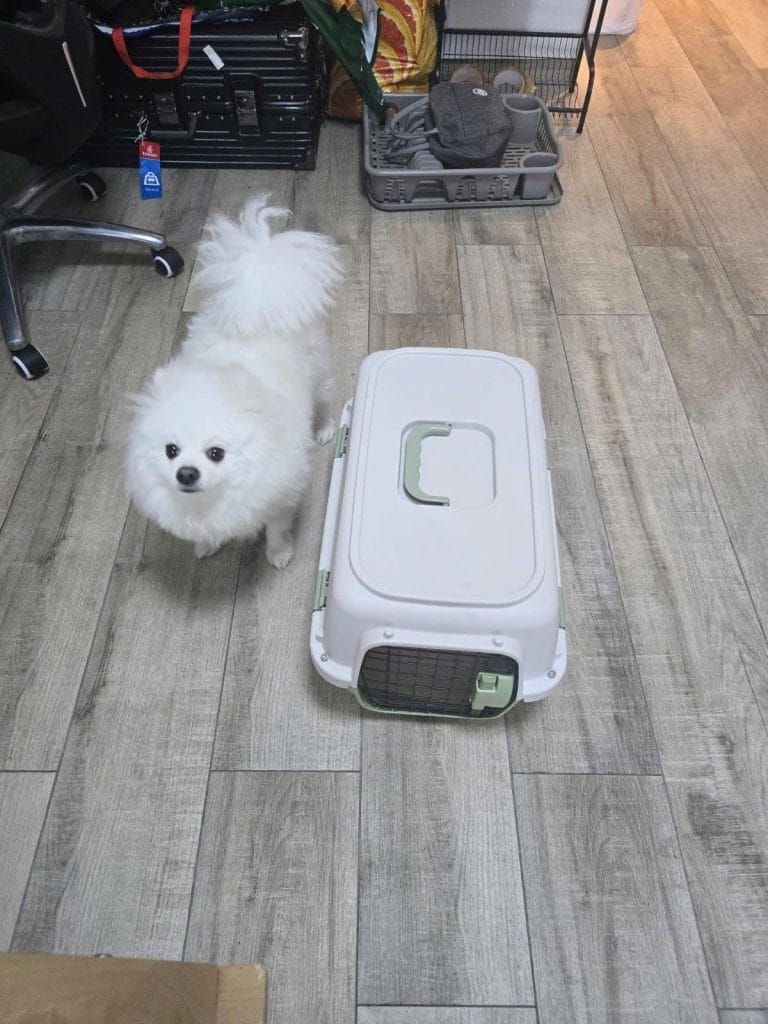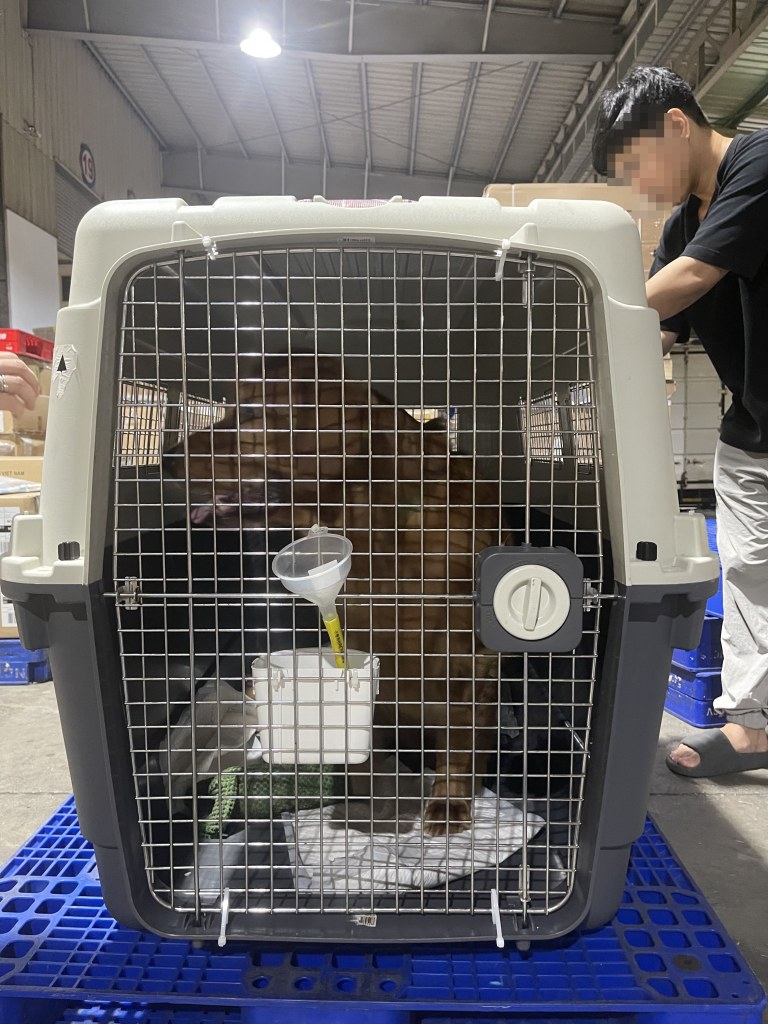
Meeting Japan’s pet import requirements from Vietnam takes about seven months. Three sets of rules apply: Vietnam’s export rules, Japan’s import rules and the airline’s conditions. Japan sets the long part: two rabies shots, a blood test and a 180-day wait before arrival.
Short Answer: What Does Moving a Pet to Japan Involve?
- How long does it take? About seven months from the microchip to landing in Japan. Start as soon as the move is possible.
- Can the pet fly with me? Yes. It can travel in the cabin or as checked baggage on your flight, or as cargo on its own.
- What does Japan check? The microchip, two rabies shots, a blood test, the 180-day wait and a government health certificate.
- Who sets the rules? The Animal Quarantine Service (AQS) of Japan’s Ministry of Agriculture, Forestry and Fisheries (MAFF).
- What happens on arrival? AQS checks the pet at the airport. With correct documents, your pet leaves with you within hours.
What Daisy Pet arranges on this route is on our pet relocation page for Japan.
What Can Stop a Pet from Entering Japan?
Check these points before the first vet visit. Each one can cost you months.
- Age. The first rabies shot counts only if the pet is at least 91 days old. With the wait, the pet is about 10 months old on arrival at the earliest.
- Microchip first. The chip must be ISO 11784/11785 and go in before the first rabies shot, or on the same day. A shot given before the microchip normally does not count. MAFF accepts it only under special conditions, so ask AQS first.
- Chip number. Chips starting with “900 202” are not accepted. Other chips starting with “900” may be duplicates, so tell AQS early. See our microchip guide.
- Vaccine type. Japan accepts inactivated or recombinant rabies vaccines. Live and RNA vaccines do not count.
- Breed and species. Japan bans no dog or cat breed. The rules also cover first-generation crosses, such as wolf hybrids and Savannah cats. Some airlines refuse snub-nosed breeds or ban them in summer. Check before you book, in our airline comparison for Japan.
8 Steps to Move a Pet from Vietnam to Japan
The plan starts on the day of the microchip. If your pet already has valid shots, ask a vet whether you can start at Step 3.
- Start: microchip and first rabies shot.
- At least 30 days later: second rabies shot.
- Same day or later: blood sample for the antibody test.
- Next 180 days: the pet waits at home in Vietnam.
- At least 40 days before arrival: notify AQS and book the flight.
- Last 10 days: final vet exam and certificates.
- Flight day: check-in with your pet.
- Arrival day: AQS inspection in Japan.
Step 1 (Start): Microchip and First Rabies Shot
Who: your vet in Vietnam.
The vet implants the microchip first, then gives the first rabies shot. Both can happen in the same visit. The vet must scan the chip and write the same number on every record.
Step 2 (At Least 30 Days Later): Second Rabies Shot
Who: your vet.
The second shot must come at least 30 days after the first. MAFF does not count the day of the first shot itself. The second shot must also fall within the protection period of the first shot. Ask the vet for that period, which is not the expiry date on the vial. If a booster comes too late, the count starts again from Step 1. Our rabies vaccine validity guide explains how the period is counted.
Step 3 (Same Day or Later): Blood Sample for the Antibody Test
Who: your vet takes the blood. A designated laboratory abroad tests it.
The sample is taken after the second shot. It can be the same day. Only laboratories on MAFF’s designated list can do the test. Vietnam has no designated laboratory, so the sample is shipped abroad. The result must reach 0.5 IU/ml. It stays valid for 2 years from the sampling date.
If the result is below 0.5, the vet gives a booster or waits, then takes a new sample. A mistake in the chip number, sampling date or result on the lab report cannot be corrected later. More detail is in our rabies antibody test guide.
Step 4 (Next 180 Days): The 180-Day Wait
Who: you.
The pet must arrive at least 180 days after the date of the blood sample that passed. The date of the lab report does not count. Your pet stays at home with you during the wait. Keep rabies boosters on time, because each shot must fall within the protection period of the last one.
Step 5 (At Least 40 Days Before Arrival): Notify AQS and Book the Flight
Who: you or Daisy Pet.
Choose the arrival airport first. Dogs can land at only 11 Japanese airports, including Narita, Haneda, Chubu, Kansai and Fukuoka. Cats can land at other airports too, but ask AQS first (MAFF list of ports).
Send the Advance Notification to the AQS office at your arrival airport. Do it online through NACCS or by email, at least 40 days before arrival. You can send it during the wait. If the flight is not fixed yet, enter your best estimate and update it later.
AQS replies with an Approval of Import Inspection. Print it or keep it on your phone, because the airline may ask for it. Book your pet’s place with the airline at the same time. Our NACCS notification guide shows each field.
Step 6 (Last 10 Days Before the Flight): Final Exam and Certificates
Who: your vet, Daisy Pet and the government animal quarantine office at your departure airport.
Within 10 days before boarding, the vet checks the pet for signs of rabies. For dogs, the vet also checks for leptospirosis. The vet then fills in Form AC, the health certificate format that MAFF recommends.
Email a draft to AQS before the government vet stamps it. After the stamp, only the government office can correct it. In Vietnam, Daisy Pet registers the export (Mẫu 2a). The quarantine office at the departure airport then issues the export certificate (Mẫu 13a) and endorses the health certificate, usually within 1 working day. Daisy Pet needs all documents at least 2 working days before the flight.
Step 7 (Flight Day): Check In with Your Pet
Who: you and the airline.
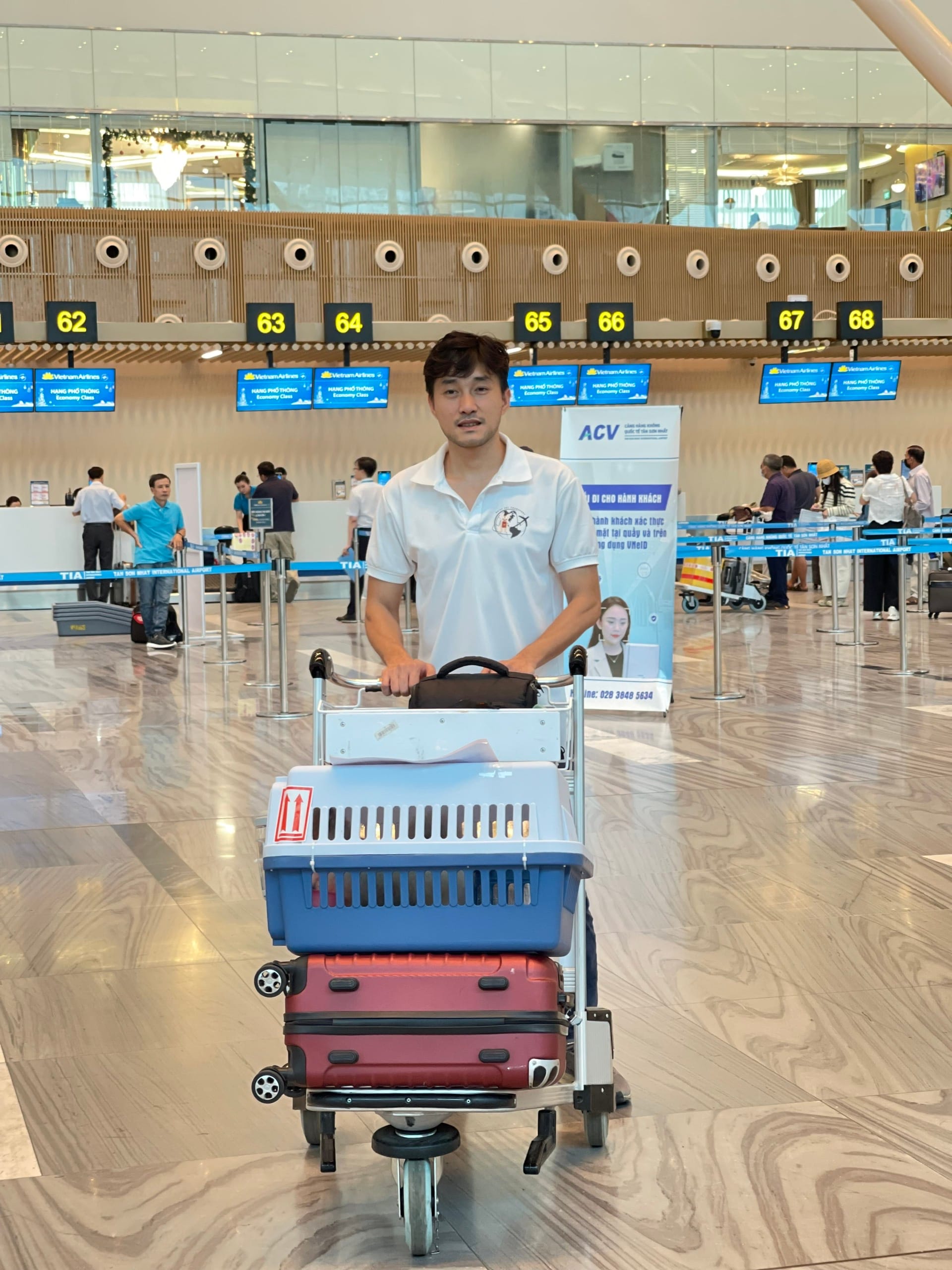
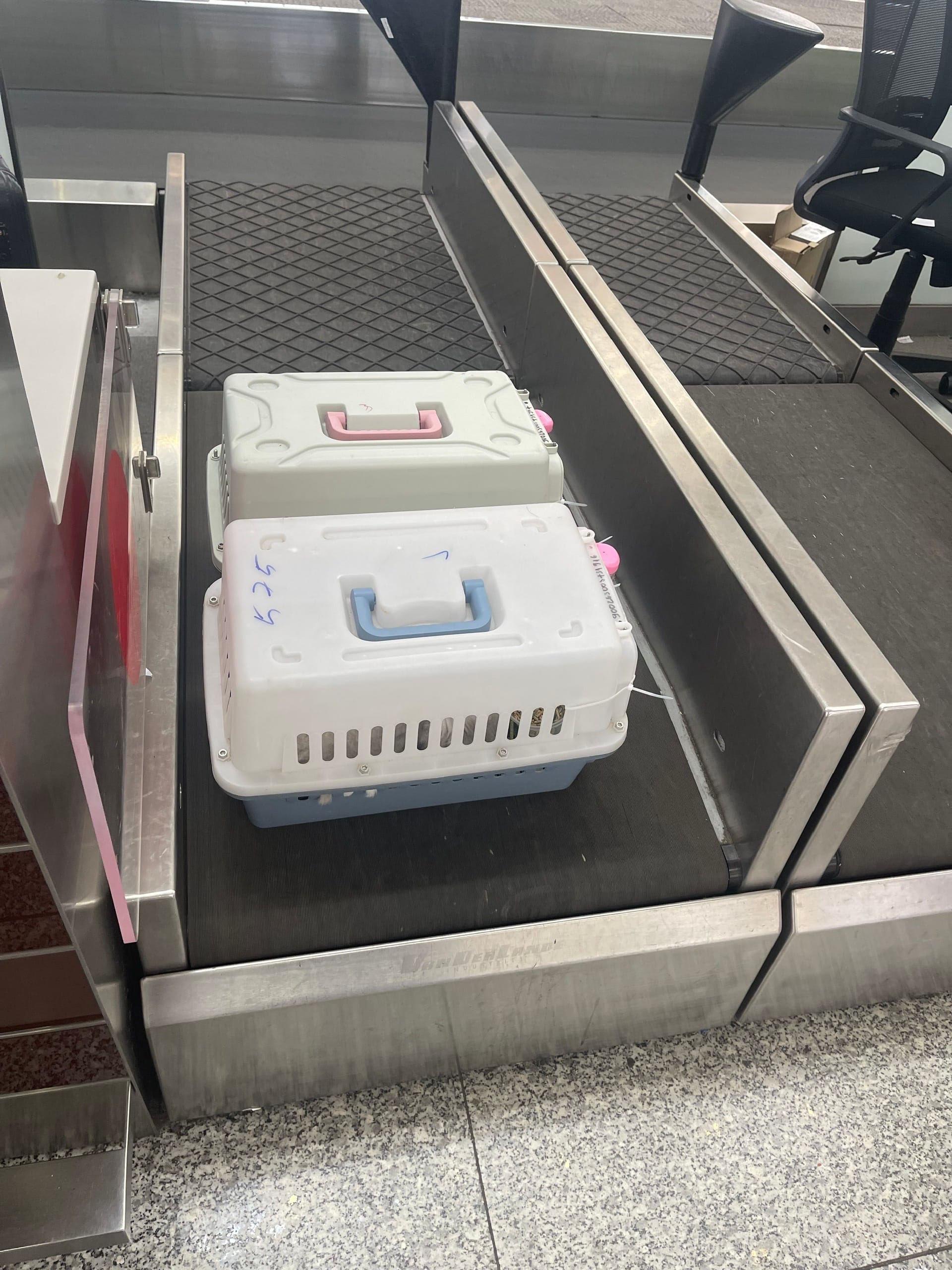
You can fly with your pet. Vietnam Airlines takes a small pet in the cabin if the pet and carrier weigh 6 kg or less. Vietnam Airlines, ANA and JAL take pets as checked baggage. A pet can also fly as cargo without you. Japan’s rules are the same for all three methods. Compare them in our guide to cabin, checked baggage and cargo.
For checked baggage, use a hard crate that meets airline standards, as in our IATA pet crate guide. If you change planes in another country, your pet can stay in the transit area. If you both enter that country, you need its health certificate too.
Step 8 (Arrival Day): AQS Inspection in Japan
Who: you and AQS.
Collect your pet with your luggage. Take it to the AQS counter in the baggage claim area before customs. AQS works at any hour for pets that arrive with passengers. A cargo pet goes to the cargo area instead, and AQS gives the opening hours with the approval.
AQS reads the microchip and checks the original documents. If everything is in order, AQS releases the pet within 12 hours, usually in less than a few hours, and issues the import quarantine certificate. Keep it, because it cannot be reissued.
If something is wrong, the pet is detained at an AQS facility for up to 180 days or sent back. You pay every cost. At Haneda, the caretaker charges from ¥4,400 a night, before food and utilities (caretaker price list). Caretakers work only at Narita, Haneda and Kansai.
What to Do After Arriving in Japan
- Dogs: register with your city office within 30 days, bringing the import quarantine certificate. Dogs also need a rabies shot every year.
- Cats: no city registration is required.
- Microchip: you can register the chip number in Japan if it is an ISO chip.
- Leaving Japan later: you will need the import quarantine certificate again.
What Does Moving a Pet to Japan Cost?
Costs fall into three groups:
- In Vietnam: vet visits and shots, the blood test and its shipping, the export certificate and the crate.
- The flight: the airline’s pet fee for the cabin or checked baggage. Cargo is priced on weight.
- In Japan: AQS inspection is free. Dogs pay a city registration fee. Larger costs arise only if the pet is detained.
Current price ranges are in our cost guide for Japan. Official rules are on the MAFF import page and in the MAFF FAQ.
FAQ: Moving a Pet from Vietnam to Japan
How long does it take to move a pet from Vietnam to Japan?
About seven months from the microchip to arrival. Most of that time is the 180-day wait after the rabies blood test. Plan for eight months if you want room for a retest.
Can my pet fly with me in the cabin or as checked baggage?
Yes. Japan’s quarantine rules are the same for cabin, checked baggage and cargo. Vietnam Airlines takes small pets in the cabin, and Vietnam Airlines, ANA and JAL all take pets as checked baggage.
What happens if the rabies antibody result is below 0.5 IU/ml?
The vet gives another rabies booster or waits, then draws a new blood sample. The 180-day wait starts again from the date of the sample that passes.
What if my pet lands in Japan before the wait is over?
AQS keeps the pet in a quarantine facility until the missing days are made up. You pay the costs, and there is no exception for health reasons.
Do cats and dogs follow different rules for Japan?
Only in two points. The steps are the same. Only dogs need the vet to confirm no signs of leptospirosis, and only dogs must be registered with the city after arrival.
Does Japan ban any dog or cat breeds?
No. Japan has no national breed ban for imported dogs and cats. Airlines set their own limits, mostly for snub-nosed breeds such as Bulldogs and Persian cats.
Does an emotional support dog follow different rules?
No. Japan does not treat emotional support dogs as assistance dogs. They follow the same import steps as any pet dog.
Does a transit stop on the way to Japan cause problems?
Not if your pet stays in the airport during the transit. If you and the pet enter the transit country, you also need a health certificate from that country.
Last updated 17 Oct 2026
Compiled by our specialists from the regulations in force on the date above, for reference only. Rules may change after this date. Please verify with the competent authorities or contact us for the most accurate information.
Official sources cited in this guide
- MAFF’s designated listmaff.go.jp
- haneda-pet.jphaneda-pet.jp