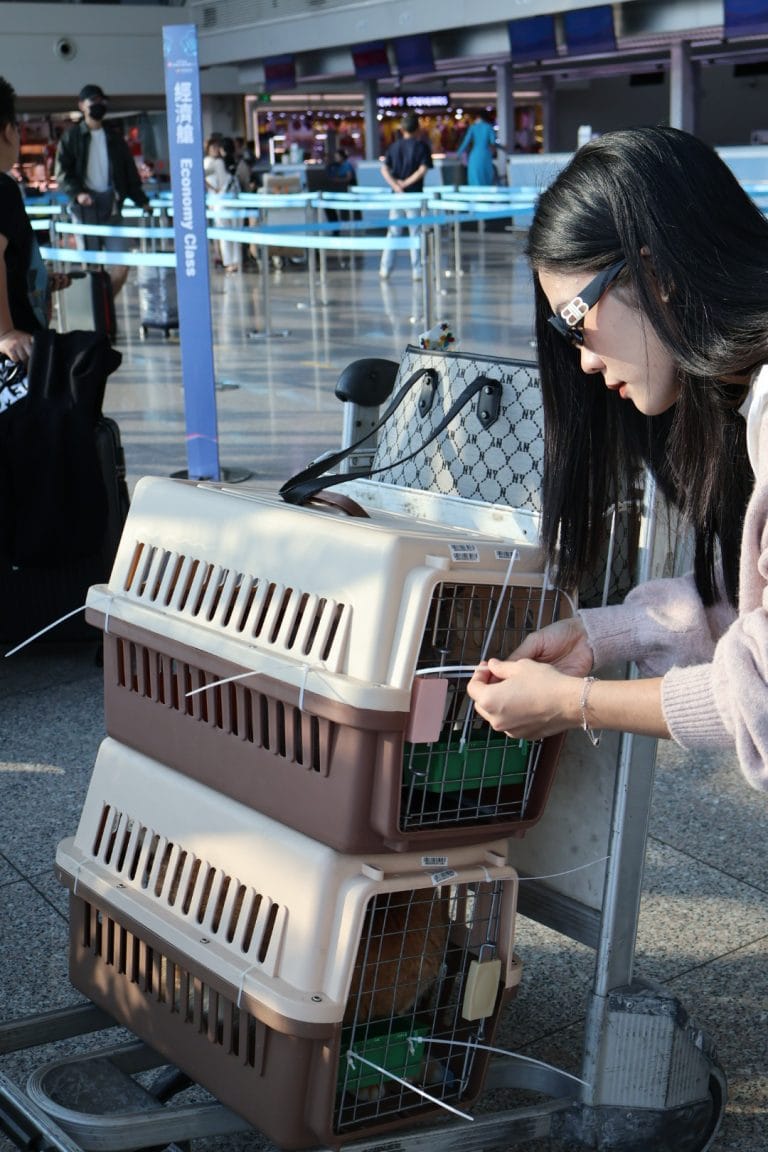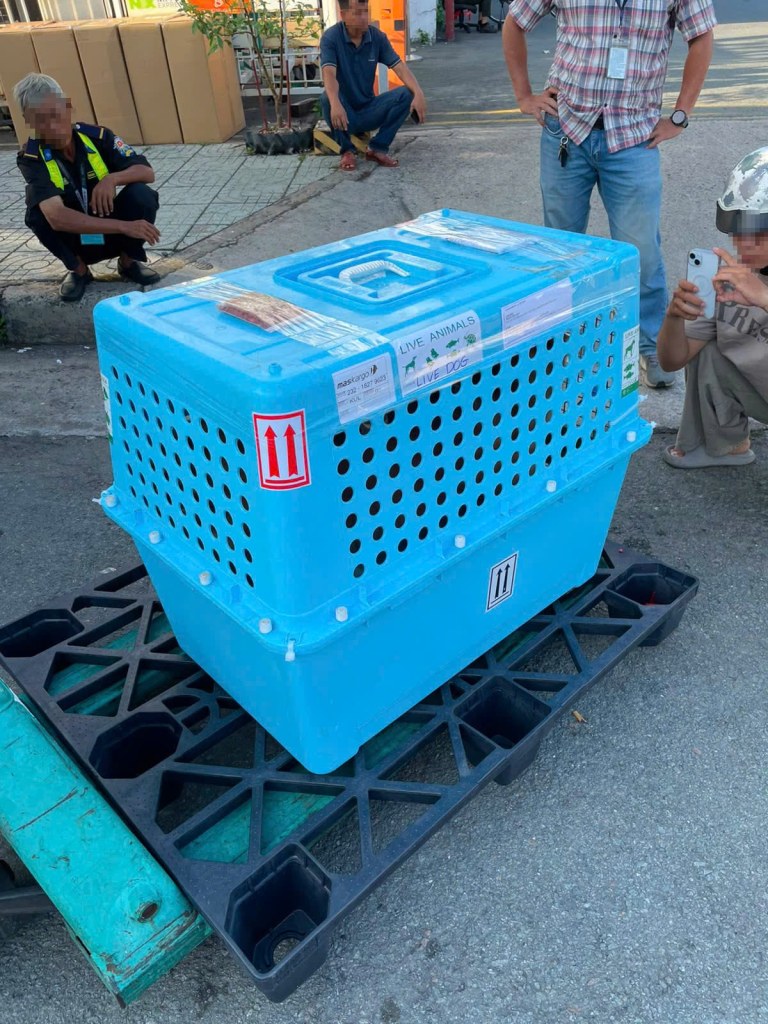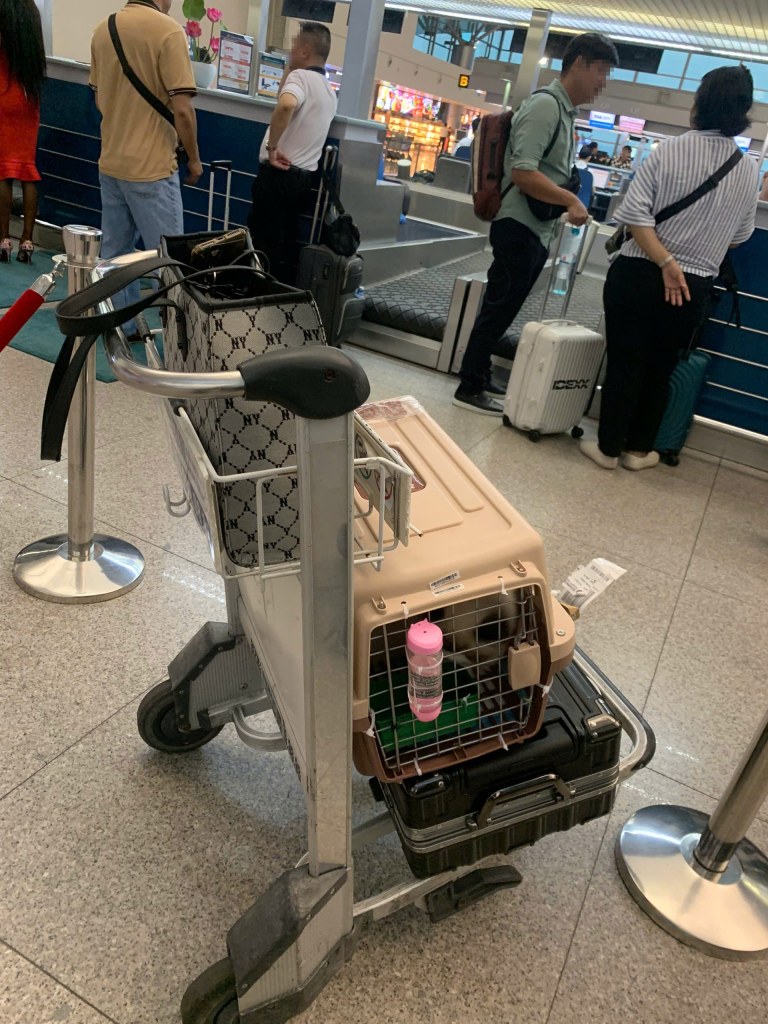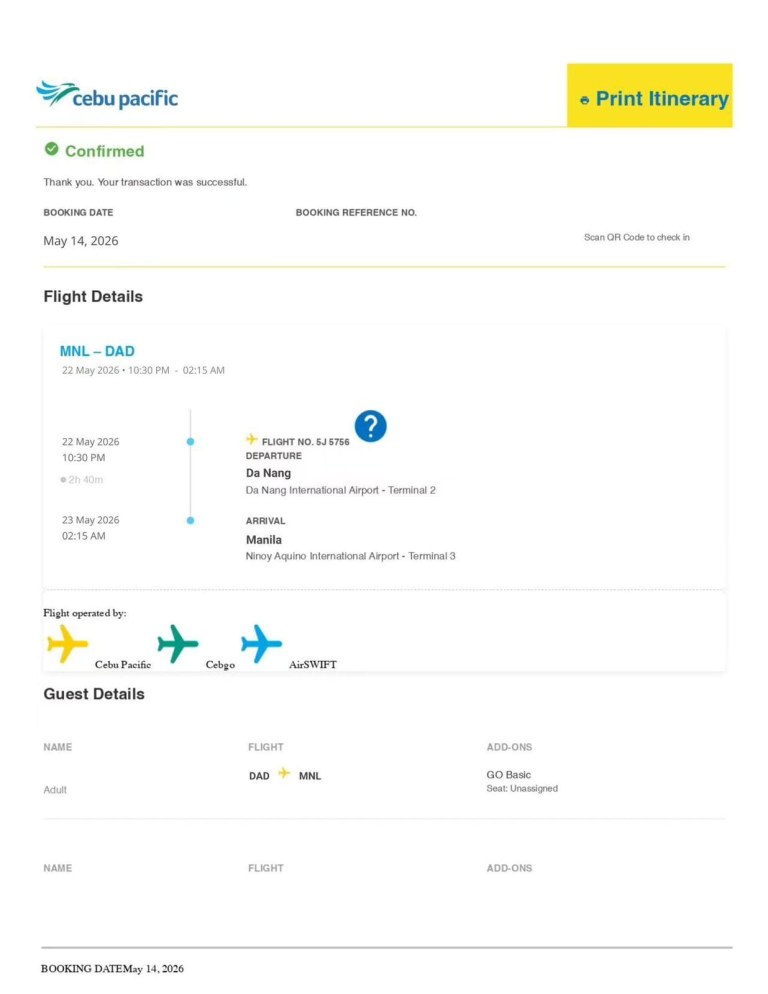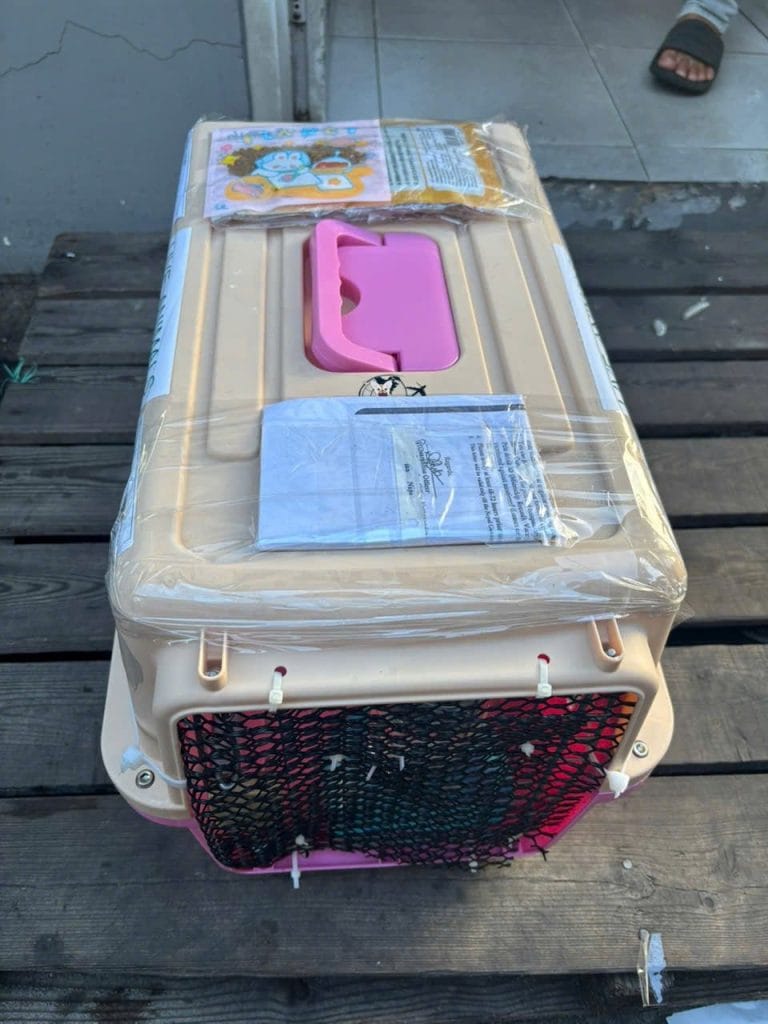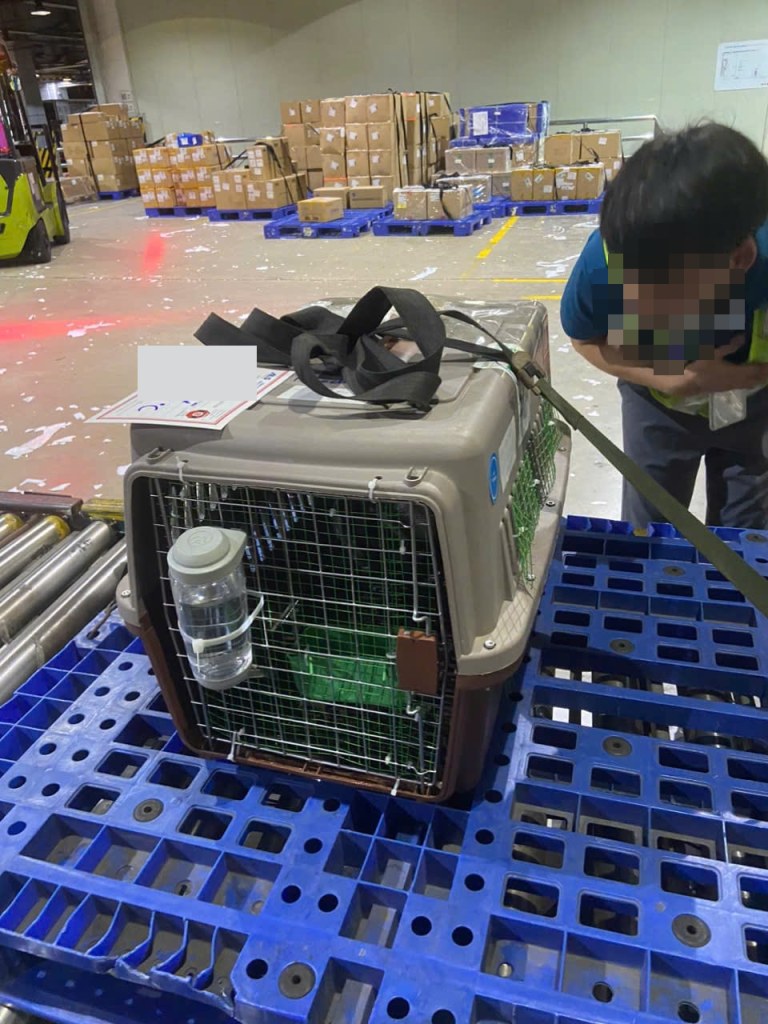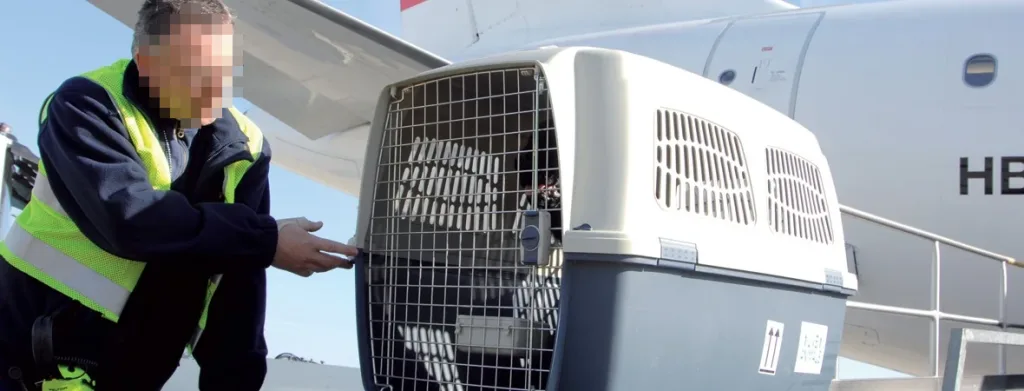
Airport staff handle a live animal along one of two routes. A pet travelling with you goes through the passenger check-in counter and comes back to you in the baggage hall. A pet shipped as manifest cargo goes through the cargo terminal, with customs at both ends.
At the Airport With Your Pet: Quick Answers
- Where do I hand over my pet? At the passenger check-in counter for cabin and checked baggage. At the cargo terminal for manifest cargo.
- How early should I arrive? About 3 hours before departure when your pet flies with you.
- Who checks the documents? Airline staff at check-in, then the vet authority and customs at the destination.
- Can I collect my pet straight away? A pet flying with you comes back in the baggage hall, after any arrival inspection. A cargo pet is released only after customs and vet checks.
- Who can collect a cargo pet? The consignee named on the air waybill, or an agent with written authorisation.
The Two Routes Through the Airport
The route depends on the travel method, which is explained in pet transport methods explained. Every pet passes the same five steps:
- Export health check and crate check, a day or two before the flight.
- Hand-over on departure day, at the check-in counter or the cargo terminal.
- The flight, including any connection.
- Arrival, in the baggage hall or at the cargo terminal.
- Release to the owner or the agent.
Step 1 (1–2 Days Before): Export Health Check and Crate Check
Who does it: the government vet, the owner and the transport company.
From Vietnam, the pet attends the regional animal health office once for its export inspection. The visit takes about 1.5 to 2 hours. The office issues the export health certificate the same day or the next. Dogs must wear a muzzle at the office.
The health certificate and the other papers must match the pet’s microchip number exactly. Some destinations also need an import permit issued before the flight.
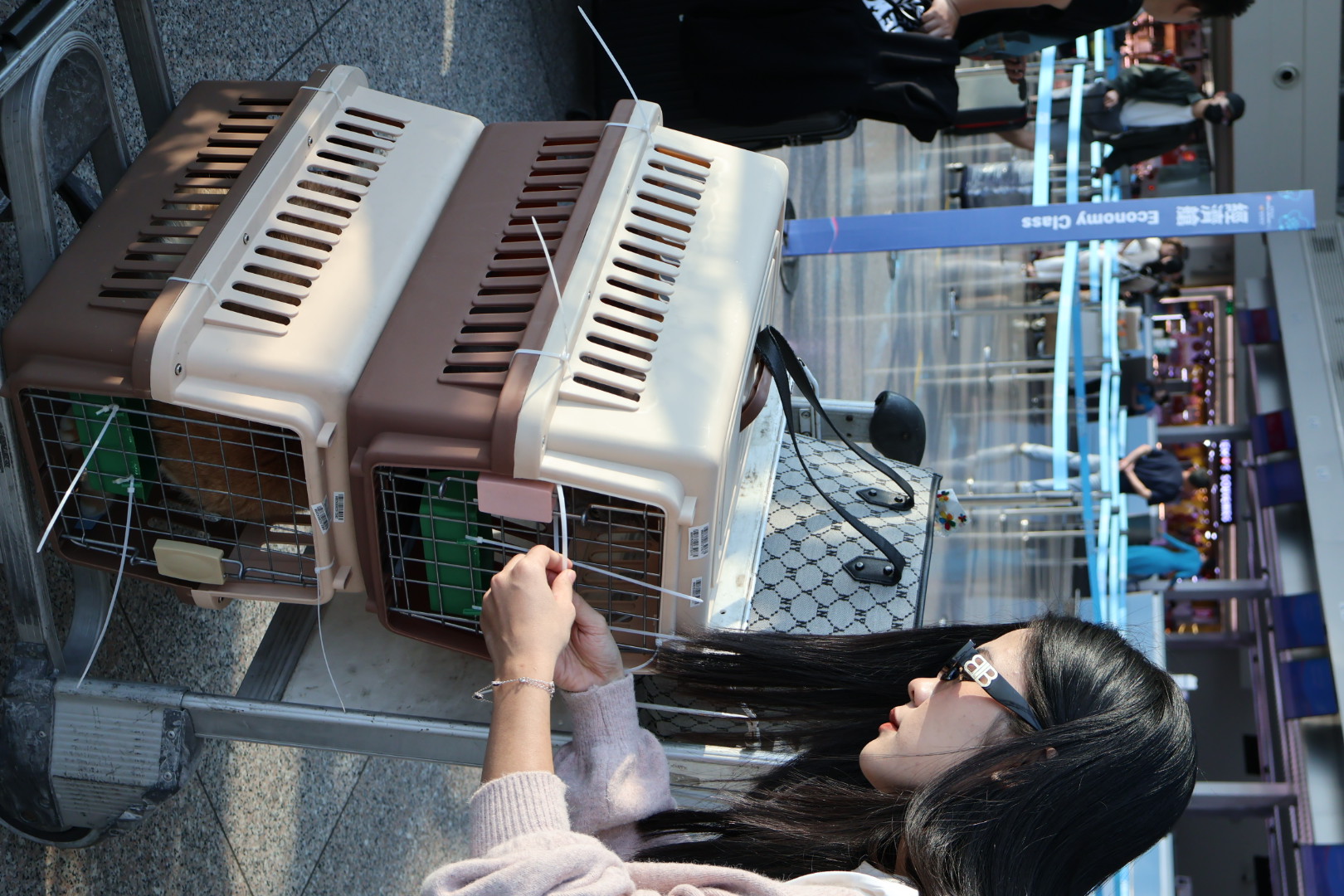
The crate is checked before it leaves for the airport. Our team checks its size against the IATA crate requirements, fixes the water bowl, ties the door and secures each side.
Step 2 (Departure Day): Check-In Counter or Cargo Terminal
Who does it: airline staff, with the owner or the transport company.
Pets travelling with you
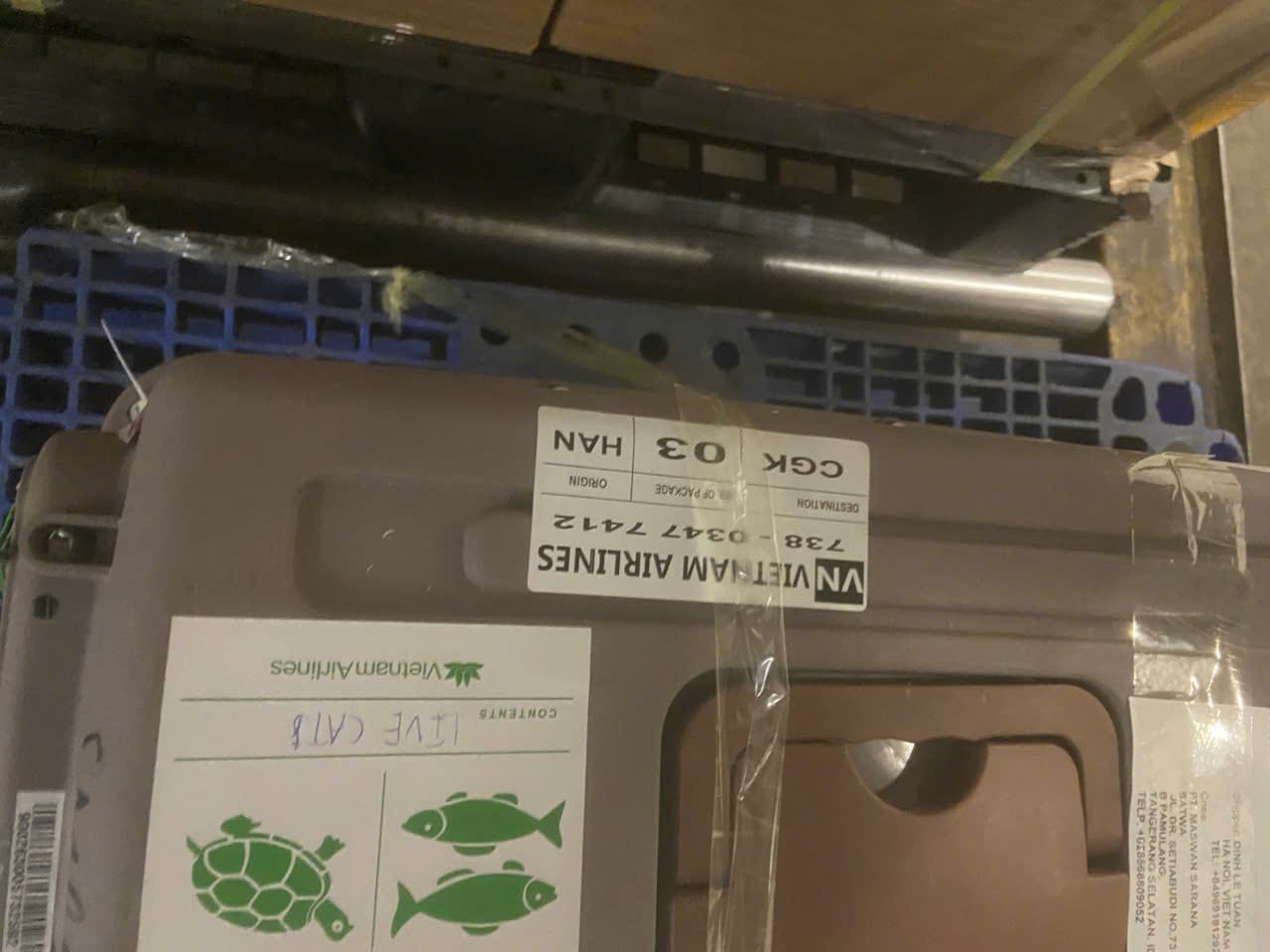
You check in at the passenger counter, about 3 hours before departure. Staff weigh the pet with its carrier or crate. On Vietnam Airlines, a cabin pet over 6 kg must move to checked baggage. Staff then check the documents and take the pet fee at the counter.
Airline staff take the crate to the animal area, and you go through immigration. Keep every original document: staff hand them back after check-in, and the destination will ask for them.
Check-in staff also look up the destination’s entry rules in Timatic, the database airlines use. A missing permit stops the pet at the counter, as in the cases in why airlines refuse pets at check-in.
Pets shipped as manifest cargo
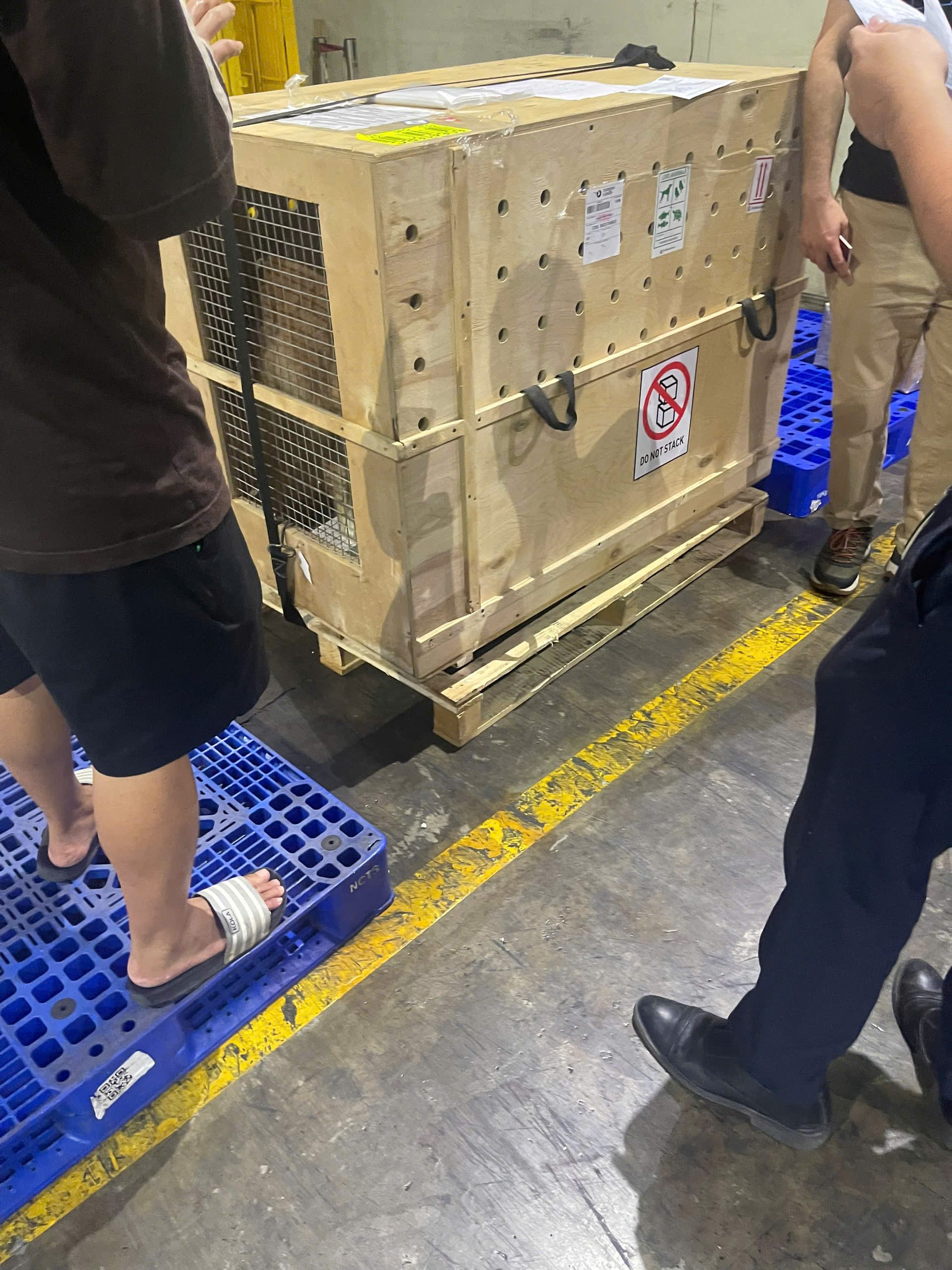
The transport company hands the pet over at the cargo terminal, at the time the airline sets. It files an export customs declaration, and the airline issues the air waybill (AWB). Cargo staff check the crate, the labels and the documents against the IATA Live Animals Regulations before accepting the pet.
The fee is based on chargeable weight, the higher of the real weight and the crate’s volume. In 2026, a 49 kg Golden Retriever in a large crate flying from Hanoi to Singapore was charged as 161.7 kg.
Step 3 (In the Air): The Flight and Any Connection
Who does it: airline handlers.
Both checked pets and cargo pets travel in the aircraft’s lower hold. What the hold is like during the flight is covered in whether the cargo hold is safe for pets.
At a connection, the ticket decides what happens. On one ticket, the pet usually transfers without you. On separate tickets, you may need to collect it and check it in again, as explained in how pets are handled during layovers.
Step 4 (Arrival): Baggage Hall or Cargo Terminal
Who does it: the owner or the partner agent, with the vet authority and customs.
Pets travelling with you
You collect the crate at the baggage belt or the oversized baggage area. You then take your pet to the animal quarantine office in the baggage hall, where the destination requires an inspection.
- Kuala Lumpur: airline staff bring checked pets to the quarantine office, usually within about 30 minutes. Our partner agent meets the owner there.
- Manila: the Animal Quarantine Office is at the end of the baggage area.
- Hanoi: the animal quarantine room is at the end of the baggage belts. In September 2026, a dog arriving from Dubai cleared in about 1 hour 40 minutes, most of it in the immigration queue.
Pets shipped as manifest cargo
The pet goes to the cargo terminal. Customs and the vet authority check it there, and some destinations add a physical customs inspection. Release can take several hours. In September 2026, a dog flying from Istanbul landed in Hanoi at about 15:40 and was released at 20:12.
Dogs entering the US from Vietnam go through a CDC-registered Animal Care Facility, which examines the dog before release. At Los Angeles, a dog landing after 11:00 may stay overnight. One landing after 11:00 on a Friday, or at the weekend, may wait until Monday afternoon. The Animal Care Facility at Seattle accepts dogs arriving as cargo only.
Step 5 (Release): Who Can Collect the Pet?
Who does it: the consignee or the agent, after the authorities release the pet.
A pet flying with you is yours to take once the inspection is done. A cargo pet is released to the consignee named on the AWB. That person signs at the cargo terminal, so agree the name before the documents are issued.
The name on the health certificate can decide who must attend. In September 2026, the Turkish certificate for a dog flying to Hanoi named the owner. The owner therefore had to sign at the cargo terminal in person.
Office hours also matter. Government offices close at weekends, so a cargo pet landing on Saturday may wait until Monday. We ask partner agents to schedule arrivals from Monday to Friday morning.
Customs Clearance: Who Does What?
Customs clearance for a pet is a check by customs and the vet authority before release. A transport company cannot make that decision, but it prepares the file so the check goes smoothly.
- The authorities check the documents, the microchip and the pet, then decide on release.
- The partner agent files the arrival declaration, answers questions from officers and arranges collection.
- The owner supplies the documents, signs or authorises the agent, and pays official fees and any import duty.
Customs clearance is required whether the pet flies with you or as cargo. Cargo adds the declaration and duty step, which is why it takes longer.
Arriving in Vietnam
A pet arriving in Vietnam with its owner is inspected at the quarantine room in the baggage hall. A cargo pet clears at the cargo terminal, with a customs declaration and import duty. Each step at Tan Son Nhat, Noi Bai and Da Nang is set out in our guide to bringing pets to Vietnam.
At the Airport With Your Pet: Frequently Asked Questions
Can I see my pet before it is loaded?
If your pet flies with you, you stay with it until check-in is complete. A cargo pet is handed over at the cargo terminal, so the owner usually says goodbye before then.
How long after landing can I collect a cargo pet?
It depends on the destination and the time of arrival. Release can take several hours. At some airports, a pet landing late in the day or at the weekend is released the next working day.
Can someone else collect my pet?
Yes. A cargo pet is released to the consignee on the AWB, which can be an agent. Some documents name the owner, so the owner may still need to sign.
Do I clear customs for a pet travelling with me?
Yes. You declare the pet on arrival and take it to the animal quarantine office where the destination requires an inspection.
Is my pet left alone at the airport?
Airline and cargo staff take charge of the crate from hand-over to arrival. For cargo pets, a partner agent takes over after release.
Last updated 17 Oct 2026
Compiled by our specialists from the regulations in force on the date above, for reference only. Rules may change after this date. Please verify with the competent authorities or contact us for the most accurate information.
Official sources cited in this guide
- Vietnam Airlinesvietnamairlines.com
- Live Animals Regulationsiata.org
- CDC-registered Animal Care Facilitycdc.gov