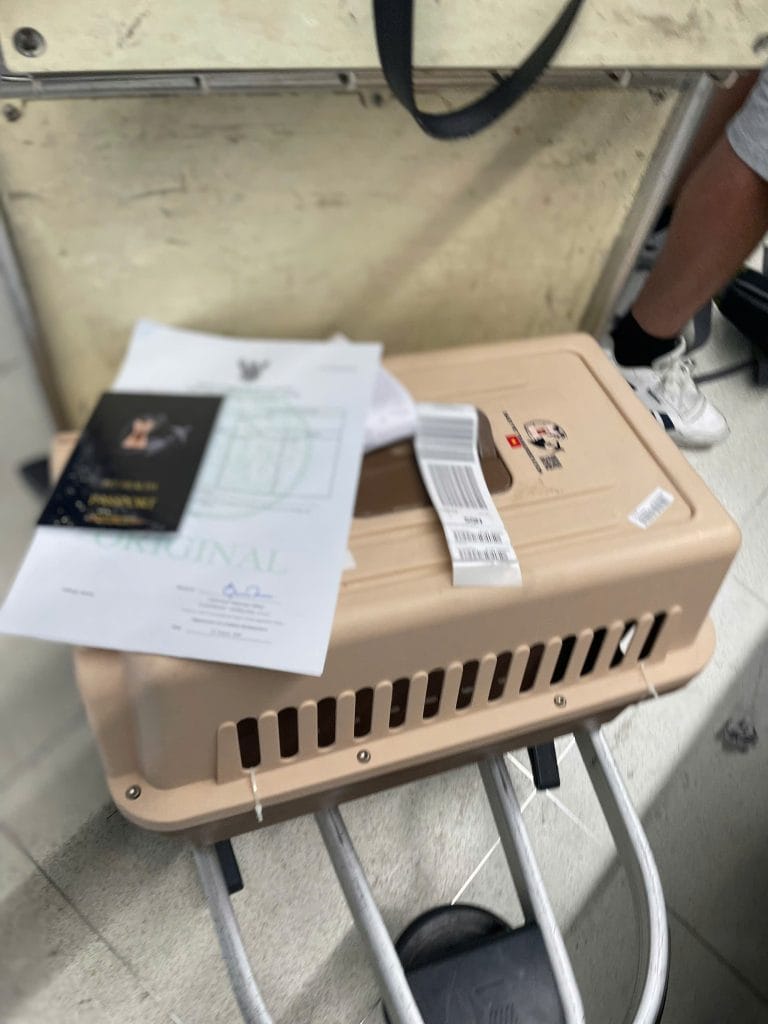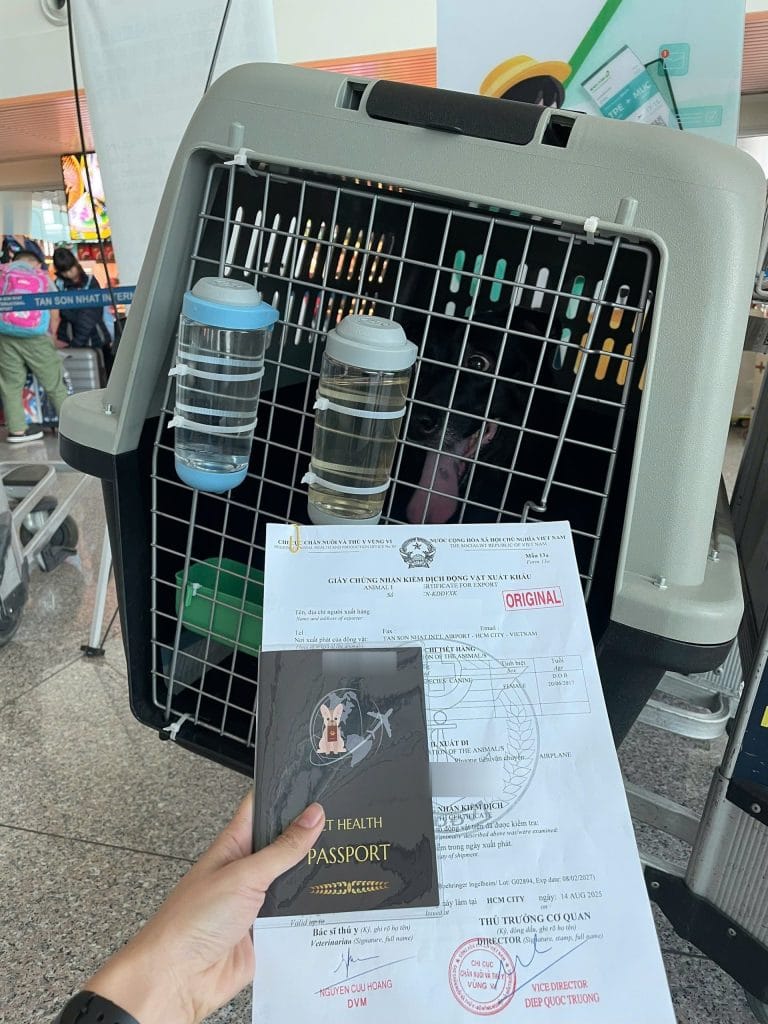
If your pet is denied entry at the destination, that country’s veterinary authority decides what happens next. Depending on the country, that means a hold, quarantine, return to the departure country, or destruction. Most refusals start with a document or a date that does not match the rules, and the owner usually pays.
Short Answer: What Happens When a Pet Is Refused Entry?
- Who decides? The destination country’s veterinary or quarantine officers, not the airline.
- Why does it happen? Usually a microchip, a waiting period, a permit or a certificate that does not meet the rules.
- What happens to the pet? A hold, quarantine, re-export to the departure country or, in some countries, destruction. Each country sets its own outcome.
- Who pays? The authority bills the owner. Between owner and transport company, the contract decides.
- Can it be prevented? Mostly yes. The checklist near the end of this guide covers the usual causes.
Who Decides Whether a Pet Can Enter a Country?
The veterinary authority of the destination country decides. Its officers check the documents, scan the microchip and examine the pet on arrival. Examples are Japan’s Animal Quarantine Service, Singapore’s Animal and Veterinary Service and, for dogs entering the United States, the Centers for Disease Control and Prevention (CDC).
The airline does not decide entry. It can only refuse to carry a pet before departure. Customs is a separate step that follows the veterinary check.
Why Is a Pet Held or Denied Entry? Six Common Reasons
These six problems are the most common reasons pets leaving Vietnam are held or refused. Each one can be checked before the flight.
1. The Microchip and Rabies Vaccine Are in the Wrong Order
The microchip must be implanted before the rabies vaccination in the European Union and Japan, for example. A vaccine given before the chip does not count, so the vaccination and everything after it must be redone. Use a 15-digit chip that meets ISO 11784, and check that it is implanted, not attached to a collar. In September 2026, a cat booked to Kuala Lumpur came to its checks with the chip on its collar; it was implanted two days before the flight, so Malaysia had no reason to refuse it. See the full guide to the microchip for international travel.
2. The Waiting Period After the Blood Test Is Not Complete
Countries that require a rabies titer test also set a waiting period. The result must reach at least 0.5 IU/ml, and the waiting period usually counts from the day the blood was drawn.
- European Union and United Kingdom: 3 months after the blood draw.
- Japan: at least 180 days after the blood draw.
- Singapore: blood drawn at least 90 days and no more than 12 months before export.
- United States (dogs): blood drawn at least 28 days before arrival, with no wait after the result.
- Australia: no direct entry from Vietnam. The pet must first live at least 180 days in an approved country.
The science behind these waiting periods explains why no country shortens them.
3. The Import Permit Has Expired or Does Not Match
An import permit is valid for a fixed period. Singapore’s import licence and the UAE’s import permit are both valid for 90 days from issue. If the flight moves past that date, the permit must be issued again. A name, breed or microchip number that differs from the other documents also makes the permit invalid. Read more about the import permit and how it is issued.
4. The Health Certificate Is Wrong or Incomplete
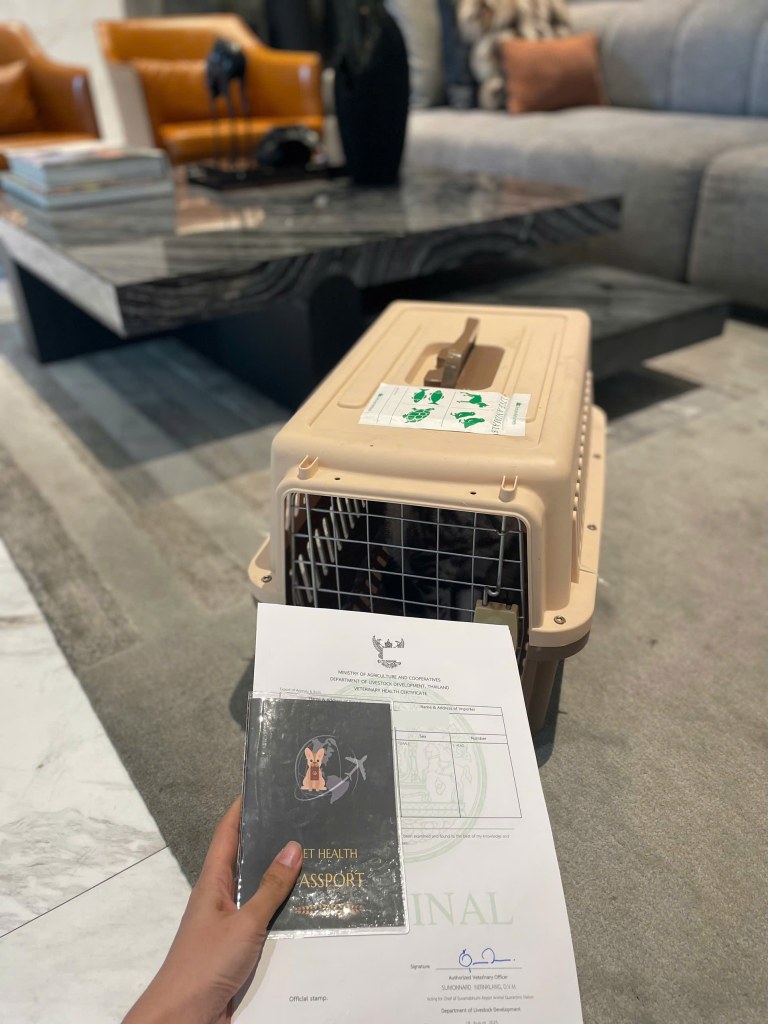
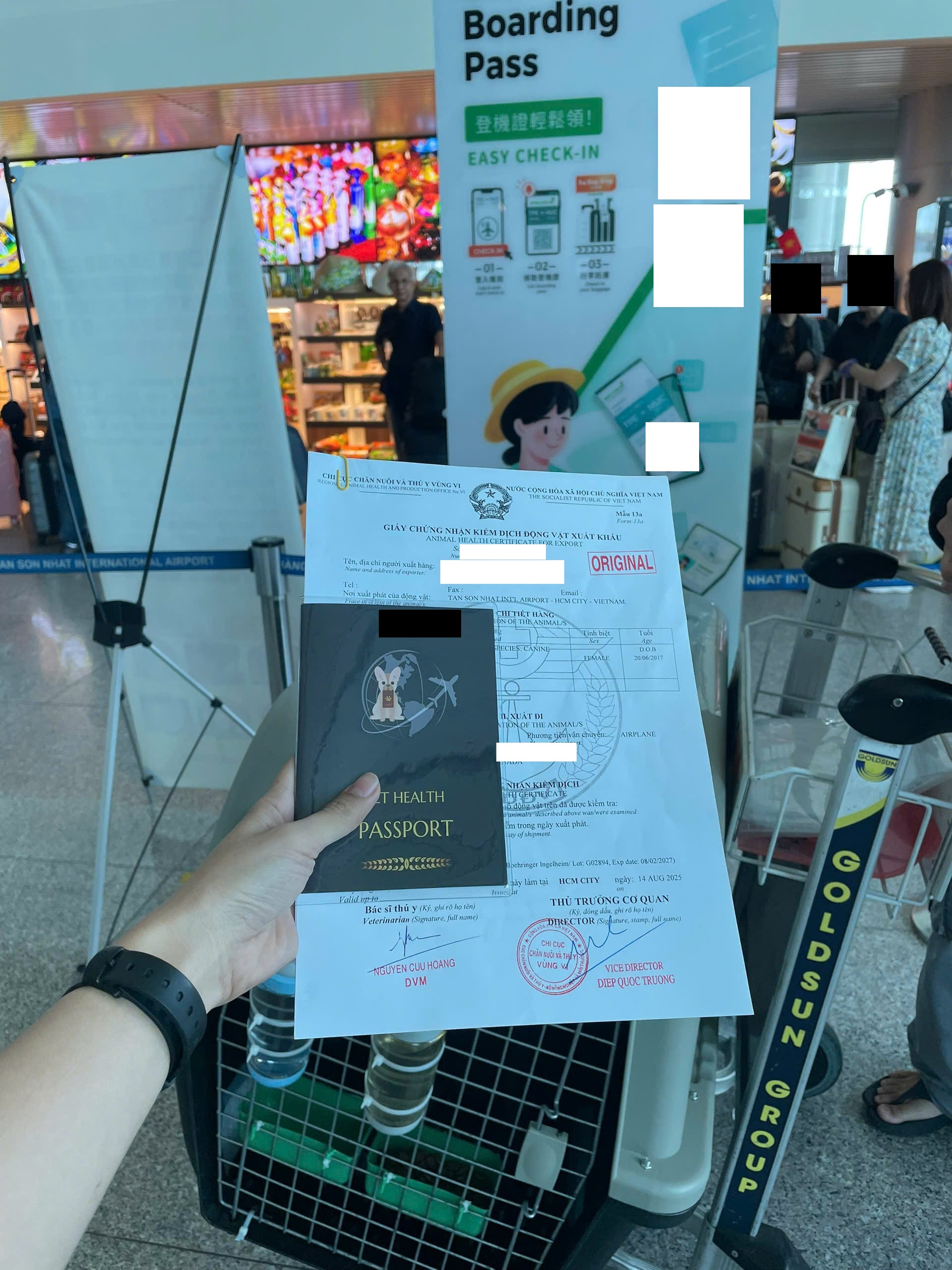
The health certificate must use the destination’s form, carry the government stamp and fall inside its validity window. Japan accepts only the original paper certificate from Vietnam. After it has been endorsed, only the government office that issued it may correct it. China returns or destroys a pet if the certificate shows any alteration. The health certificate requirements differ by country.
5. A Document Is Fake
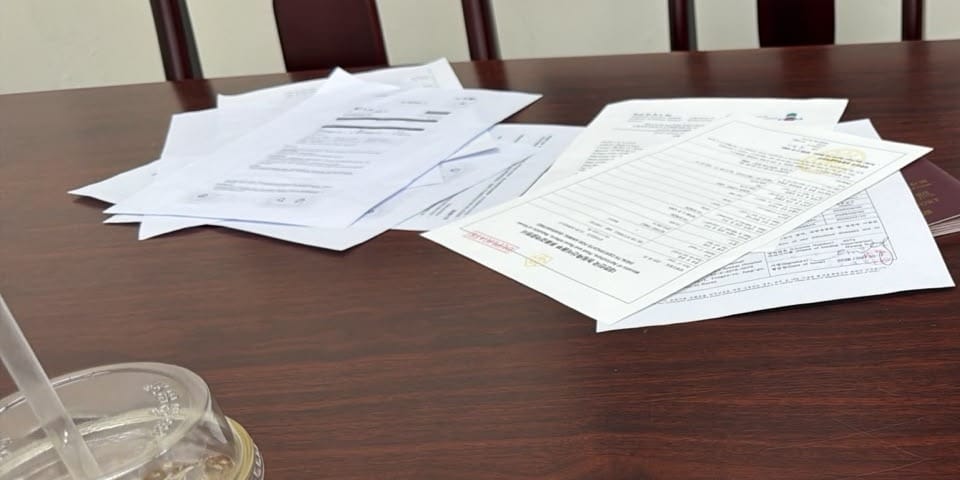
Some owners receive a vaccination book or a lab report that was falsified to skip a waiting period. Border officers can contact the laboratory or the issuing clinic to check. A fake document leads to the same outcomes as a missing one, and the owner may also face penalties. Learn how to verify pet travel documents before you pay.
6. The Pet Fails the Physical Check or Its Breed Is Banned
The border vet can hold a pet that shows signs of illness, even when every document is correct. Some breeds cannot enter at all. The United Kingdom does not accept the Pit Bull Terrier, Japanese Tosa, Dogo Argentino, Fila Brasileiro or XL Bully, and there is no permit for these dogs.
What Happens to a Pet That Is Refused Entry?
Each country sets its own outcome. The table shows what the authorities in common destinations do when the rules are not met.
| Destination | If the rules are not met | Who pays |
|---|---|---|
| Japan | Missing waiting days: quarantine until 180 days are complete. Other faults: quarantine up to 180 days, or return. | The owner pays transport, care and any return. The inspection itself is free. |
| Taiwan | Return, destruction or quarantine. Some document errors mean 30 days; a missing document or chip number means 97 days. | The owner. |
| United Kingdom | Quarantine, return or destruction. Release after 4 months, or once all requirements are met. | The owner, who can also be taken to court. |
| European Union | Supervised quarantine, return outside the EU, or euthanasia. | The owner. |
| United States (dogs) | No valid titer result: 28 days of quarantine at the Animal Care Facility. | The owner. |
| South Korea | Missing documents: returned. Missing chip or titer result: quarantine until the requirements are met. | The owner. |
| China | No official health certificate, no rabies certificate, or an altered certificate: returned or destroyed. No chip or titer result: 30 days of quarantine. | The owner. |
Sources: Japan’s Animal Quarantine Service, the UK government’s pet import rules, the European Commission’s rules for pets from non-EU countries and the CDC dog import page.

Re-export is the costliest outcome. The pet needs a new flight, live animal space and new documents for the return, and the owner pays for each step.
Who Pays When a Pet Is Denied Entry?
The destination authority bills the owner or the importer named on the documents. Who pays in the end depends on what caused the refusal and on what the transport company was hired to do.
- The company’s paperwork was wrong: if the company prepared a document that caused the refusal, the cost is the company’s. A clear contract states the refund.
- The pet or the owner caused it: a health problem, wrong information about the pet, or original documents left behind are at the owner’s cost.
- Rules changed or the border closed: nobody compensates, and the company should help find the next option.
Scope matters too. A company hired only to prepare documents is not responsible for the pet’s health on the day. The general rules on who pays for each kind of incident are in what happens if something goes wrong during transport.
Can the Airline Refuse a Pet Before It Flies?
Yes. The airline checks the crate, the breed and the documents at check-in, before the pet leaves Vietnam. It can refuse a crate that does not meet the IATA Live Animals Regulations. Many airlines also refuse snub-nosed breeds, and each airline sets its own temperature limits for live animals.
An airline refusal costs less than a border refusal, because the pet has not flown yet. Check the crate weeks in advance with our guide to whether your crate is airline approved.
How to Avoid Being Denied Entry: A Checklist Before Departure
- Microchip: scan it and compare the number with every document. Confirm it is implanted.
- Order of events: check that the chip date comes before the rabies vaccination date.
- Waiting period: count it from the blood draw date, using the destination’s rule.
- Permit dates: confirm the permit is still valid on the arrival date, with a margin for delays.
- Names and spelling: keep them identical on the ticket, permit, health certificate and air waybill.
- Originals: pack the original documents if the destination requires them, as Japan does.
- Arrival time: land during the authority’s working hours where it has them. Taiwan’s Taoyuan station, for example, receives pets on weekdays only.
- Breed: confirm that both the destination and the airline accept it.
Strict countries ask for more because they protect a rabies-free status. Our guide on why some countries are so strict compares the rules for pets from Vietnam.
Frequently Asked Questions
Who decides if my pet can enter the destination country?
The destination country’s veterinary or quarantine authority decides, after checking the documents, scanning the microchip and examining the pet. The airline only decides whether to carry the pet.
What happens if my pet arrives before its waiting period ends?
It depends on the country. Japan places the pet in quarantine until 180 days have passed since the blood draw, at the owner’s cost. Other countries may quarantine or return the pet.
Will my pet be sent back to Vietnam if it is refused?
Sometimes. Japan, Taiwan, the United Kingdom, the European Union, South Korea and China can all return a pet that does not meet their rules. Some of them offer quarantine instead, and some can destroy the pet.
Who pays if my pet is denied entry?
The authority bills the owner. If the transport company’s own paperwork caused the refusal, the company should cover the cost under the contract. Causes linked to the pet’s health or the owner’s information stay with the owner.
Can a fake vaccination record get my pet refused?
Yes. Border officers can contact the laboratory or clinic that issued a document. A fake record is treated like a missing one, so the pet faces quarantine, return or destruction, and the owner may face penalties.
Last updated 17 Oct 2026
Compiled by our specialists from the regulations in force on the date above, for reference only. Rules may change after this date. Please verify with the competent authorities or contact us for the most accurate information.
Official sources cited in this guide
- Animal Quarantine Servicemaff.go.jp
- gov.ukgov.uk
- food.ec.europa.eufood.ec.europa.eu
- CDC dog import pagecdc.gov