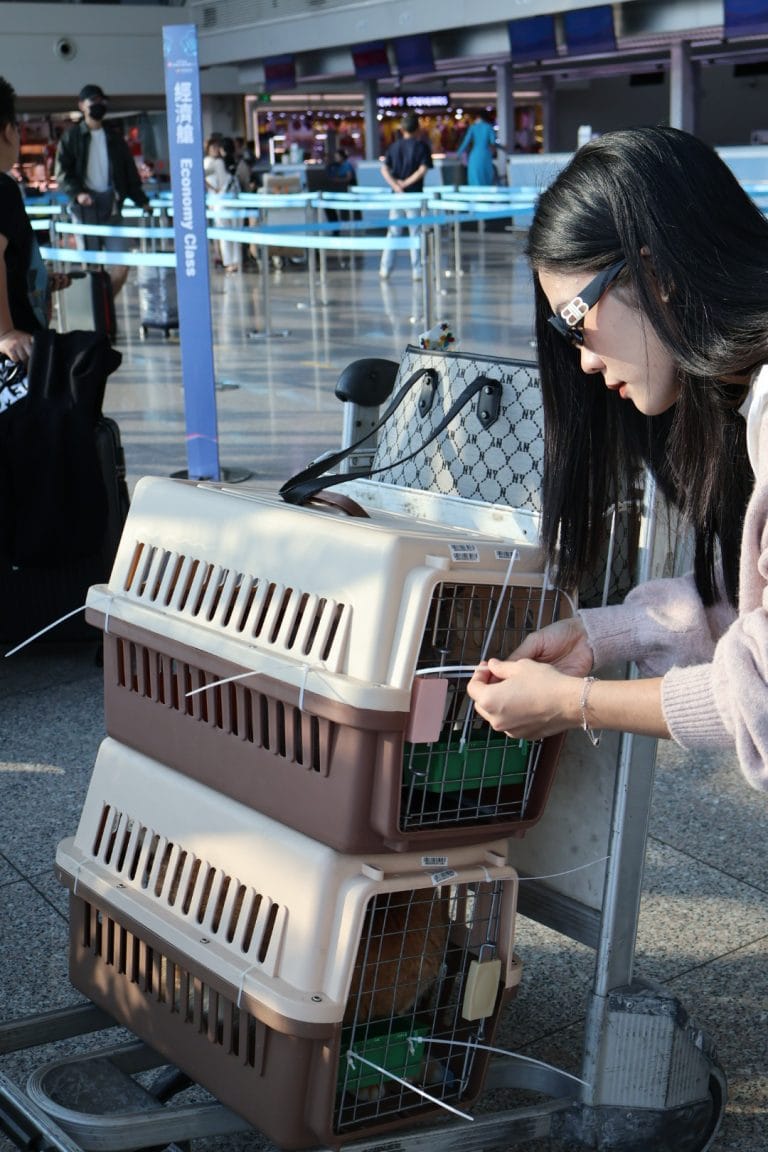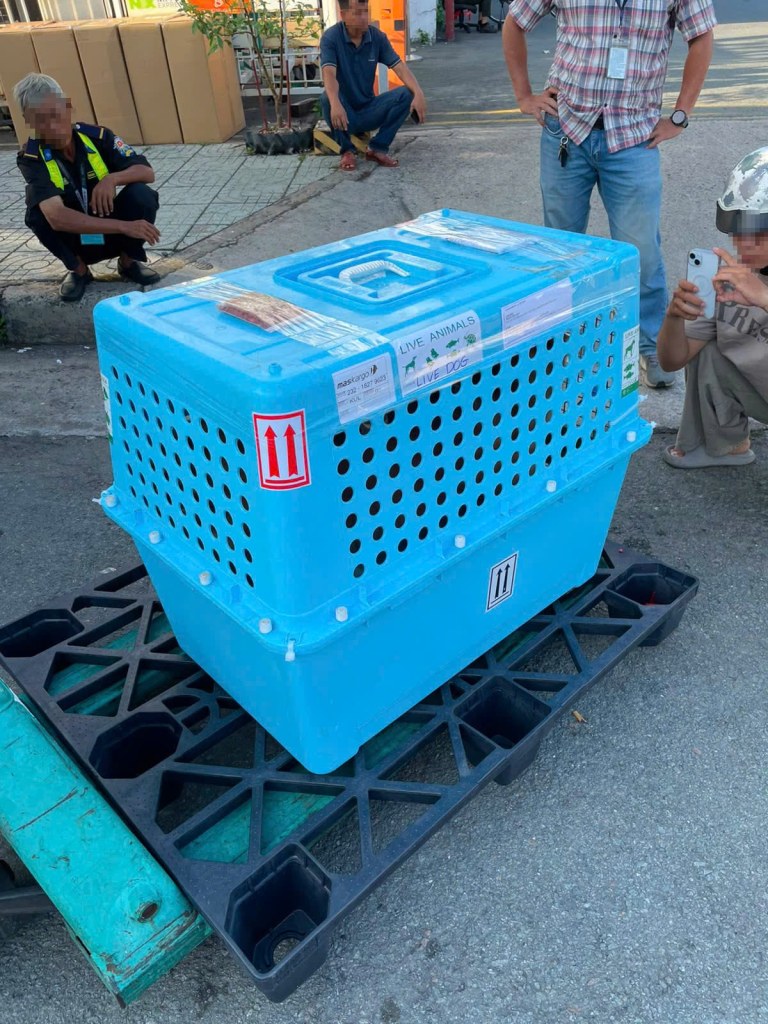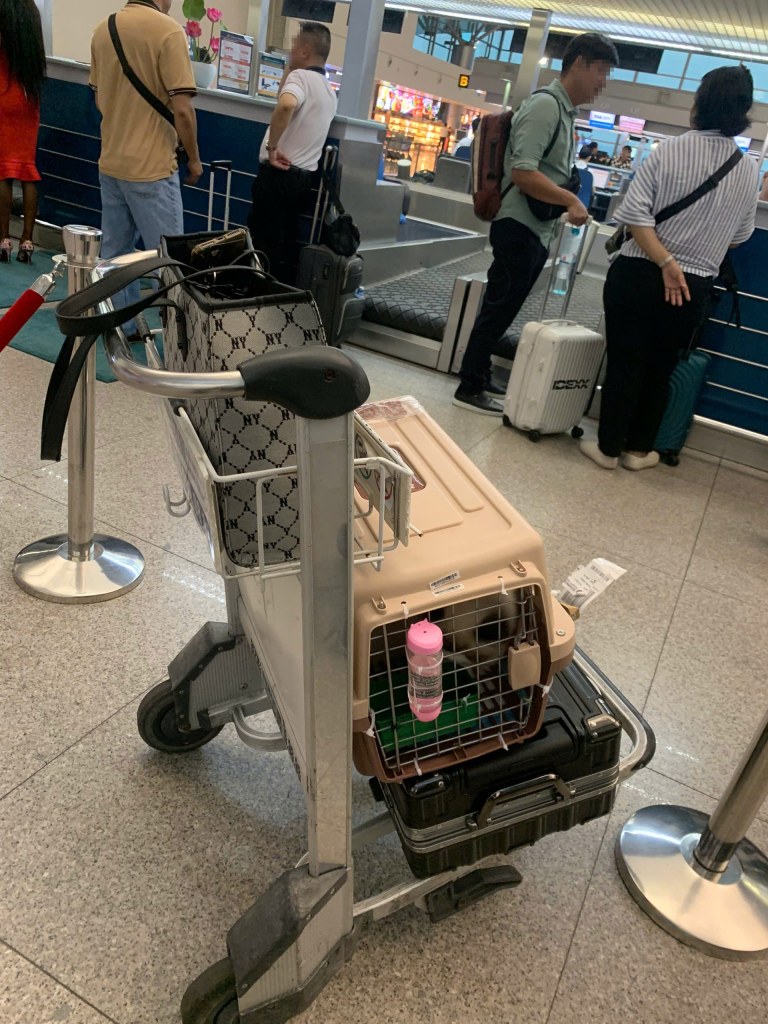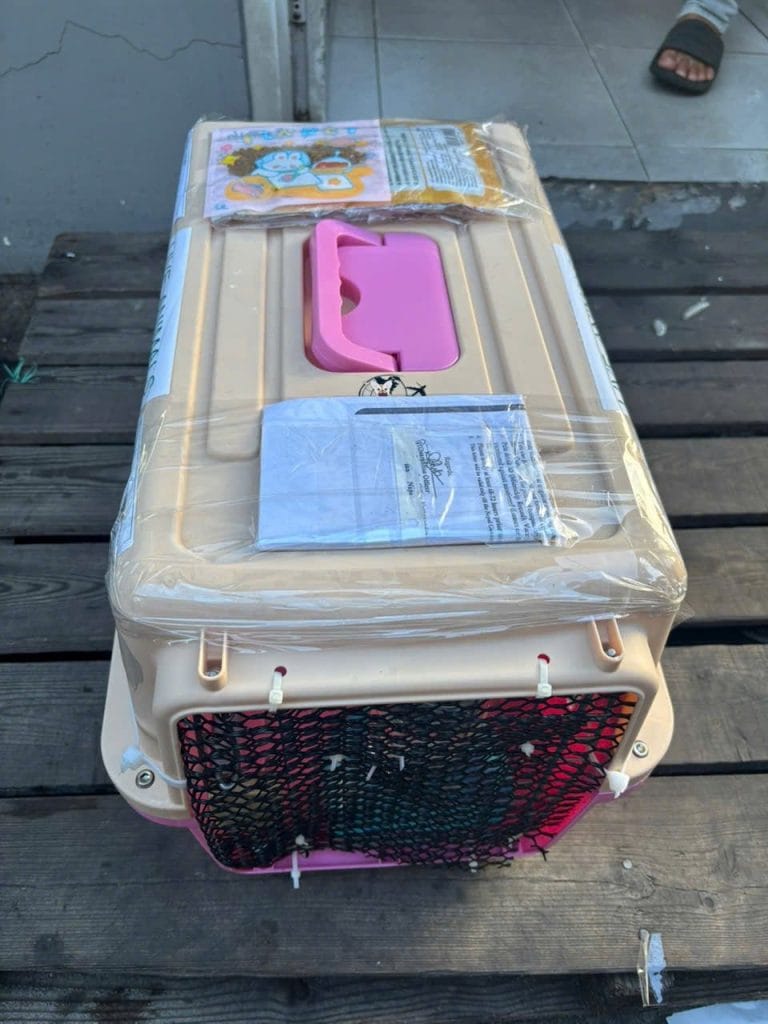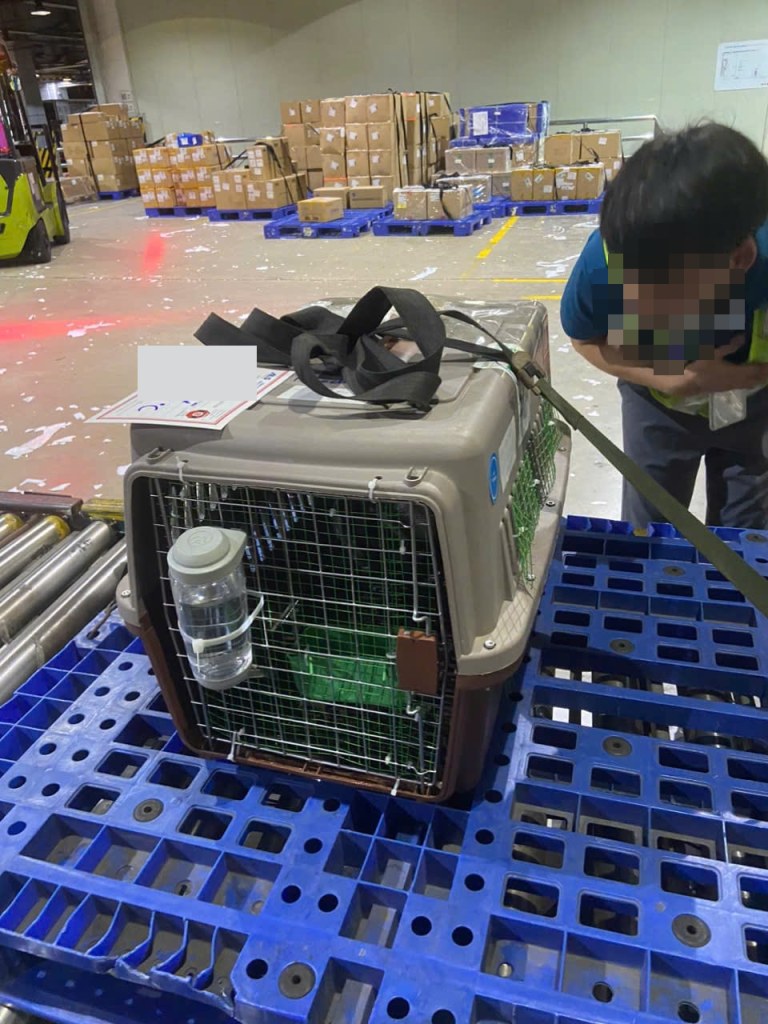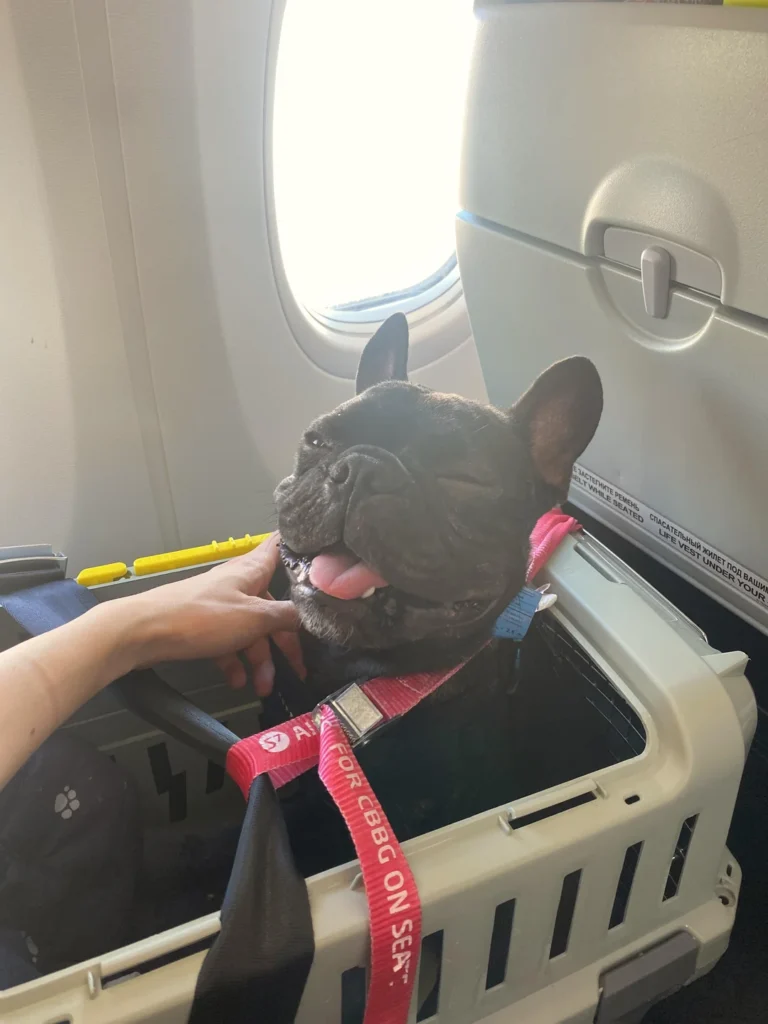
There is no single list of breeds banned from flying. Each airline sets its own breed restrictions for flying pets. Most of these rules keep a breed out of the hold, not off the plane, so the same pet may fly with one airline and be refused by another.
Breed Restrictions: Quick Answers
- Is there one list of banned breeds? No. Each airline files its own rules under the IATA framework, and the lists differ.
- Which breeds are restricted most? Snub-nosed dogs and cats, plus a small group of strong breeds such as the Pit Bull.
- Does a ban mean my pet cannot fly? Often it means “not in the hold”. Some airlines still accept these pets in the cabin if they are light enough.
- Are mixed breeds affected? On several airlines, yes. Korean Air, Emirates, Turkish Airlines and Etihad apply their lists to mixes too.
- Is an airline ban the same as a country ban? No. A country can refuse a breed at the border even if the airline accepts it.
Why Do Airlines Restrict Certain Breeds?
Airlines give two different reasons, and they apply to two different groups.
- Breathing and heat. Snub-nosed breeds have short, narrow airways. Stress and heat at the airport can make breathing hard. Lufthansa says these animals can “suffer serious injury … or even die”, and it has refused them in the hold since 1 January 2020.
- Strength. A few large, strong breeds are restricted for the safety of handlers and the crate. Emirates explains its rule “due to the strength of these dogs”.
The two groups are often mixed up on airline lists. Vietnam Airlines, for example, lists all of its 34 restricted dog breeds under one heading, from Pugs to Pit Bulls.
Airline Breed Restrictions Compared: Five Airlines
This table shows how five airlines that fly pets from Vietnam treat common restricted breeds. It reflects each airline’s published rules as checked in October 2026.
| Breed | Vietnam Airlines | Korean Air | Emirates | Turkish Airlines | Etihad |
|---|---|---|---|---|---|
| French / English Bulldog | Refused | Cabin only | Cool season | Conditions | Cool season |
| Pug | Refused | Cabin only | Cool season | Conditions | Cool season |
| Shih Tzu | Refused | Cabin only | Cool season | Conditions | Cool season |
| Boxer | Refused | Cabin only | Cool season | Conditions | Refused |
| Chow Chow | Refused | Cabin only | Cool season | Conditions | Not listed |
| Cavalier King Charles | Refused | Cabin only | Cool season | Conditions | Not listed |
| Chihuahua | Not listed | Cabin only | Cool season | Conditions | Not listed |
| Rottweiler | Refused | Refused | Not listed | Cargo only | Refused |
| Pit Bull types | Refused | Refused | Refused | Refused | Refused |
| Persian / Exotic cat | Refused | Cabin only | Cool season | Conditions | Cool season |
| British Shorthair | Not listed | Cabin only | Cool season | Conditions | No list |
| Scottish Fold | Not listed | Cabin only | Cool season | Conditions | No list |
| Sphynx | Not listed | Not listed | Not listed | Refused as cargo | Not listed |
How to read the table:
- Refused: the airline does not carry the breed. Vietnam Airlines applies its list to the cabin and checked baggage.
- Cabin only: refused in the hold. The pet can fly in the cabin if pet and carrier stay within 7 kg.
- Cool season: accepted as cargo only in cooler months, with extra conditions. Emirates has no cabin option on flights from Vietnam.
- Conditions: accepted in the cabin up to 8 kg, or as Turkish Cargo under four conditions.
- Not listed / No list: the breed is not named, or the airline publishes no cat list. The airline still confirms each booking.
Sources: Vietnam Airlines restricted animal list.
Korean Air publishes its rules on its travel with pets guide.
Emirates sets out its snub-nosed and strong-breed rules in the Emirates Pets leaflet.
Turkish Airlines handles cargo pets through Turkish Cargo’s TK Live service.
Snub-Nosed Dogs and Cats: Hold, Cabin or Cool Season
A snub-nosed pet has three possible routes, and each airline opens a different one.
- Cabin. Korean Air accepts these pets in the cabin up to 7 kg, pet and carrier together. Turkish Airlines and Lufthansa allow 8 kg, as does Etihad on its Abu Dhabi flights. Vietnam Airlines refuses its listed breeds even in the cabin.
- Cargo in the cool season. Emirates accepts them from November to April, with a waiver and a crate one size larger. Etihad accepts them as cargo from 1 November to 1 March.
- Cargo under conditions. Turkish Cargo needs four things: a crate one size larger, ventilation on all four sides, an indemnity letter signed by the shipper, and temperatures below 27°C at both departure and arrival.
An airline acceptance does not mean the pet is fit to fly. A vet should assess breathing first, as explained in our guide to flying a flat-faced dog or cat. Heat limits also change by airline and season, covered in temperature restrictions for flying pets.

British Shorthair and Scottish Fold Cats
British Shorthair and Scottish Fold cats are among the cats owners in Vietnam ask us about most. Their faces are rounder and flatter than many breeds, and several airlines treat them as snub-nosed.
Vietnam Airlines does not list either breed. Korean Air lists both for the hold, so they fly with it only in the cabin. Emirates and Turkish Cargo also list both. The same cat may fly with Vietnam Airlines and be refused in the hold by Korean Air.
Persian and Exotic cats are restricted on all five airlines in the table. Vietnam Airlines also refuses Burmese and Himalayan cats.
Strong and Large Dog Breeds
Pit Bull types are refused by all five airlines. Turkish Cargo refuses the American Staffordshire Terrier, American Pit Bull Terrier, Dogo Argentino, Fila Brasileiro, Japanese Tosa and American Bully, including their mixes.
The Rottweiler shows how much the rules differ. Vietnam Airlines and Etihad refuse it. Turkish Airlines accepts it only as cargo, in a reinforced CR82 crate. The Boxer is another example: Etihad bans it outright, while other airlines restrict it as a snub-nosed breed.
Giant breeds such as the Great Dane are rarely named on airline lists. Their limit is the crate: it must meet the IATA crate requirements and fit the aircraft’s hold. Most giant dogs therefore fly as cargo.
Mixed Breeds: Do Airline Lists Include Them?
On several airlines, yes. Korean Air refuses snub-nosed mixes in the hold, even when only one parent is snub-nosed. Emirates refuses listed breeds “as well as any of their crosses”. Turkish Cargo and Etihad also apply their lists to mixes.
Vietnam Airlines names mixes only for two breeds: the Tosa and the Rottweiler. If your dog is a mix of a listed breed, ask the airline before booking and describe the mix as it appears on the documents.
Airline Breed Rules vs Country Breed Bans
An airline rule and a country rule are two separate layers. The airline decides what it will carry. The destination decides what it will let in.
Vietnam does not ban any dog breed at national level, so the limits on pets leaving Vietnam come from the airline and the destination. The UK, Australia, Singapore and the UAE, for example, ban certain breeds at the border. These are listed in dog breeds banned from import.
Domestic flights inside Vietnam follow the airline’s list too. Vietnam Airlines’ list for domestic routes is covered in breeds restricted on Vietnam’s domestic airlines.
What to Do If Your Pet’s Breed Is Restricted
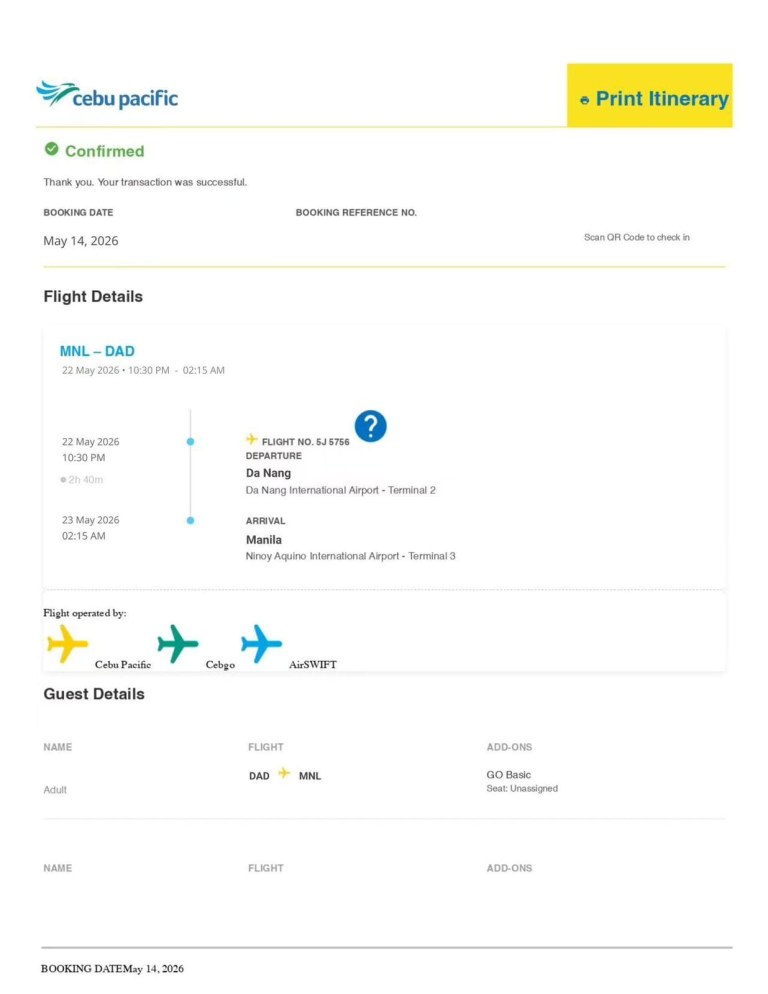
- Ask the airline first. Get written confirmation that it accepts your pet’s breed on the exact flight. Start the documents only after that. In October 2026, a snub-nosed dog was due to fly to Manila. We asked for the airline’s written acceptance before starting any documents.
- Check the cabin option. A small snub-nosed pet may fly in the cabin on Korean Air, Turkish Airlines or Lufthansa.
- Plan around the season. Emirates and Etihad accept snub-nosed pets as cargo only in cooler months.
- Compare airlines and routes. Another airline may accept the breed on the same route. See airline pet policies from Vietnam for the carriers that fly pets.
- Expect checks at the counter. Staff can still refuse a pet on the day, as explained in why airlines refuse pets at check-in.
How each travel method works, including cabin limits, is explained in pet transport methods explained.
Breed Restrictions: Frequently Asked Questions
Can a French Bulldog fly from Vietnam?
Not with Vietnam Airlines, which refuses the breed even in the cabin. A small French Bulldog can fly in the cabin with Korean Air up to 7 kg, or with Turkish Airlines up to 8 kg. Larger ones may fly as cargo with Emirates or Etihad in the cooler months.
Can a Persian cat fly in the hold?
Not on most airlines. Vietnam Airlines refuses Persian cats, and Korean Air accepts them only in the cabin. Emirates and Etihad accept them as cargo in the cooler months, and Turkish Cargo under four conditions.
Is a Sphynx cat restricted?
The Sphynx is not snub-nosed, so most airlines do not list it. Turkish Cargo is an exception and does not accept it.
Does a vet certificate let a restricted breed fly?
No. A vet assessment shows whether the pet is fit to fly, but the airline’s list still applies. Only the airline can accept the breed.
Do airline breed lists change?
Yes. Airlines update their lists without fixed dates, so confirm the breed with the airline for your exact booking.
Last updated 17 Oct 2026
Compiled by our specialists from the regulations in force on the date above, for reference only. Rules may change after this date. Please verify with the competent authorities or contact us for the most accurate information.
Official sources cited in this guide
- Vietnam Airlines restricted animal listvietnamairlines.com
- koreanair.comkoreanair.com
- Emirates Pets leafletskycargo.com
- Turkish Cargo’s TK Live serviceturkishcargo.com