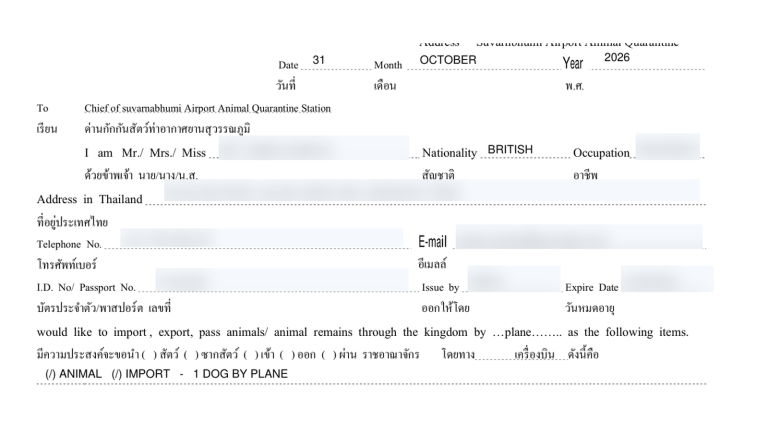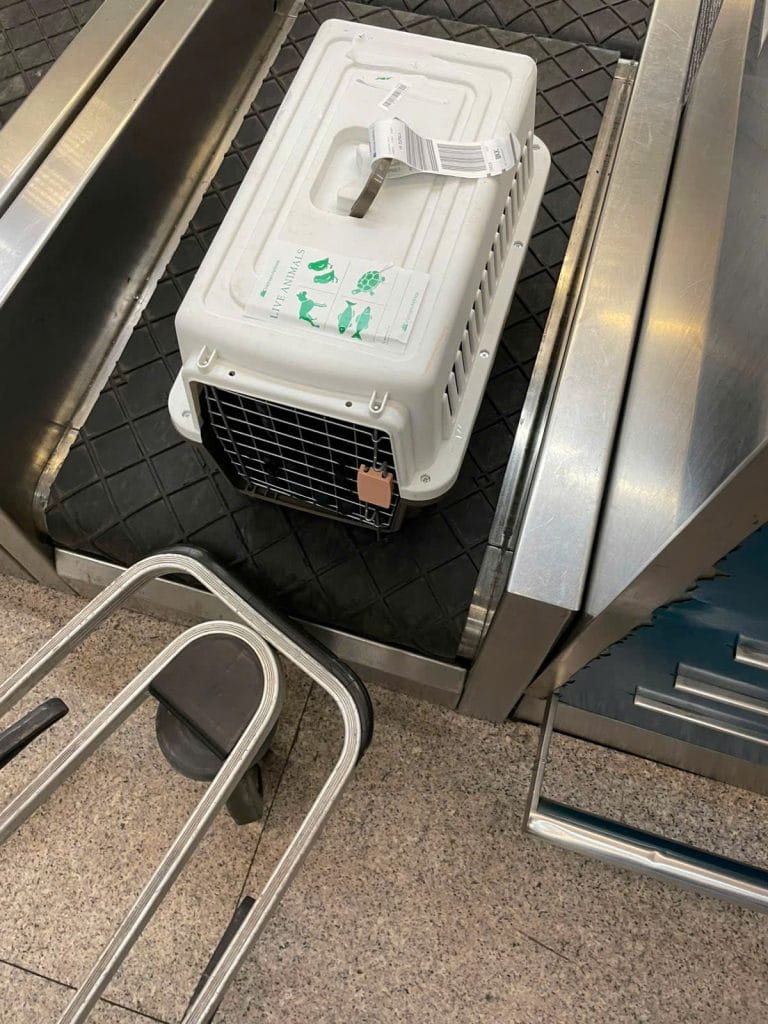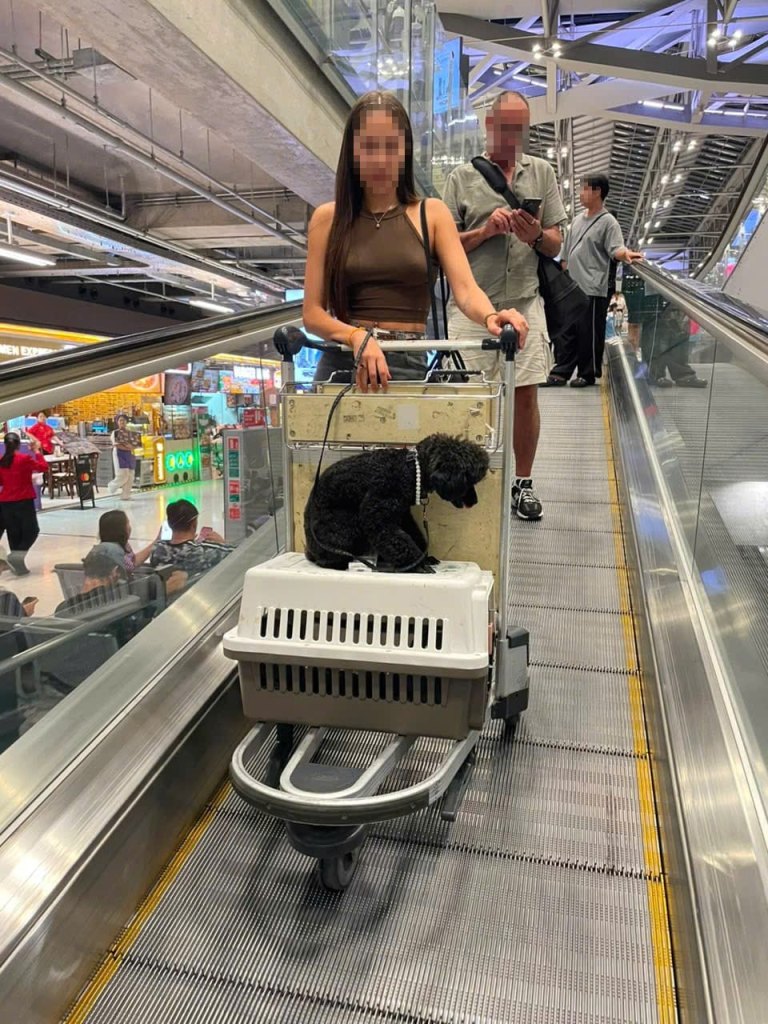
There is no official pet passport for Thailand: the country does not issue one, and it does not ask for one. To bring a dog or cat in, you need a Thai import permit and a health certificate endorsed by your home country’s government vet. To take a pet out, Thailand’s Department of Livestock Development (DLD) issues an export permit and a health certificate at the airport.
Quick answers: pet passport Thailand
- Does Thailand have a pet passport? No. There is no official Thai pet passport for dogs or cats.
- What do I need to enter Thailand? An import permit, a government-endorsed health certificate, the vaccination record and a microchip.
- When must the import permit be ready? Before the flight. Airlines that check Timatic expect the import permit to be issued at least 15 days before arrival. The permit stays valid for 60 days.
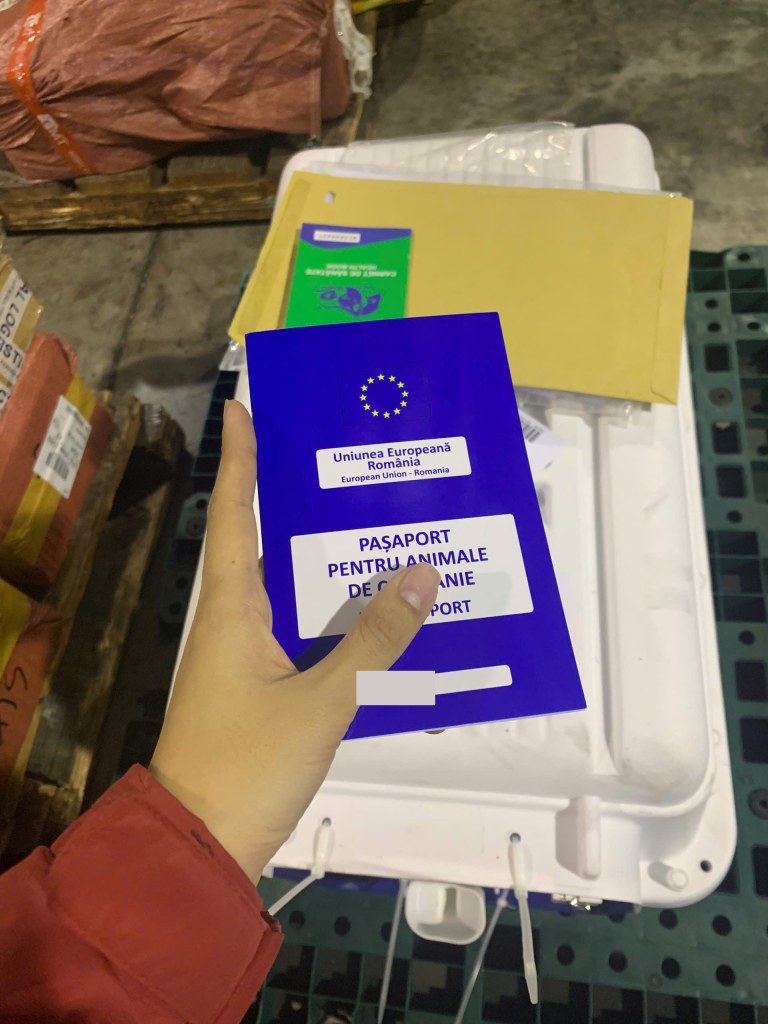
- Can I use my EU pet passport? Only as the vaccination record. It does not replace the health certificate or the import permit.
- What does Thailand issue when a pet leaves? An export permit (Form R.9) and a health certificate from the airport quarantine station, for 250 baht per pet plus a 10-baht document fee.
- Can my pet go back to the EU on its EU passport? After a short stay, usually yes, if the rabies vaccine and the titer test were done before it left the EU.
Is there a Thailand pet passport?
No. The DLD, which runs animal quarantine at Thai airports, has no document called a pet passport. Its travel documents are the import permit, the export permit and the health certificate.
Many Thai vet clinics hand out a booklet with “pet passport” on the cover. It is a vaccination book. The quarantine station accepts it as the vaccination record if each entry shows the microchip number, the vaccine and its batch number, the date, and the vet’s name, licence number and signature. It does not let a pet cross a border on its own.
Bangkok also has its own rules on registering and microchipping dogs and cats. That is local registration, not a travel document.
What does “pet passport” mean for entering Thailand?
When owners search for a Thailand pet passport, they usually mean the set of documents Thailand asks for instead: an import permit from the quarantine station at the arrival airport, a health certificate endorsed by the exporting country’s government vet, the original vaccination record and an ISO microchip.
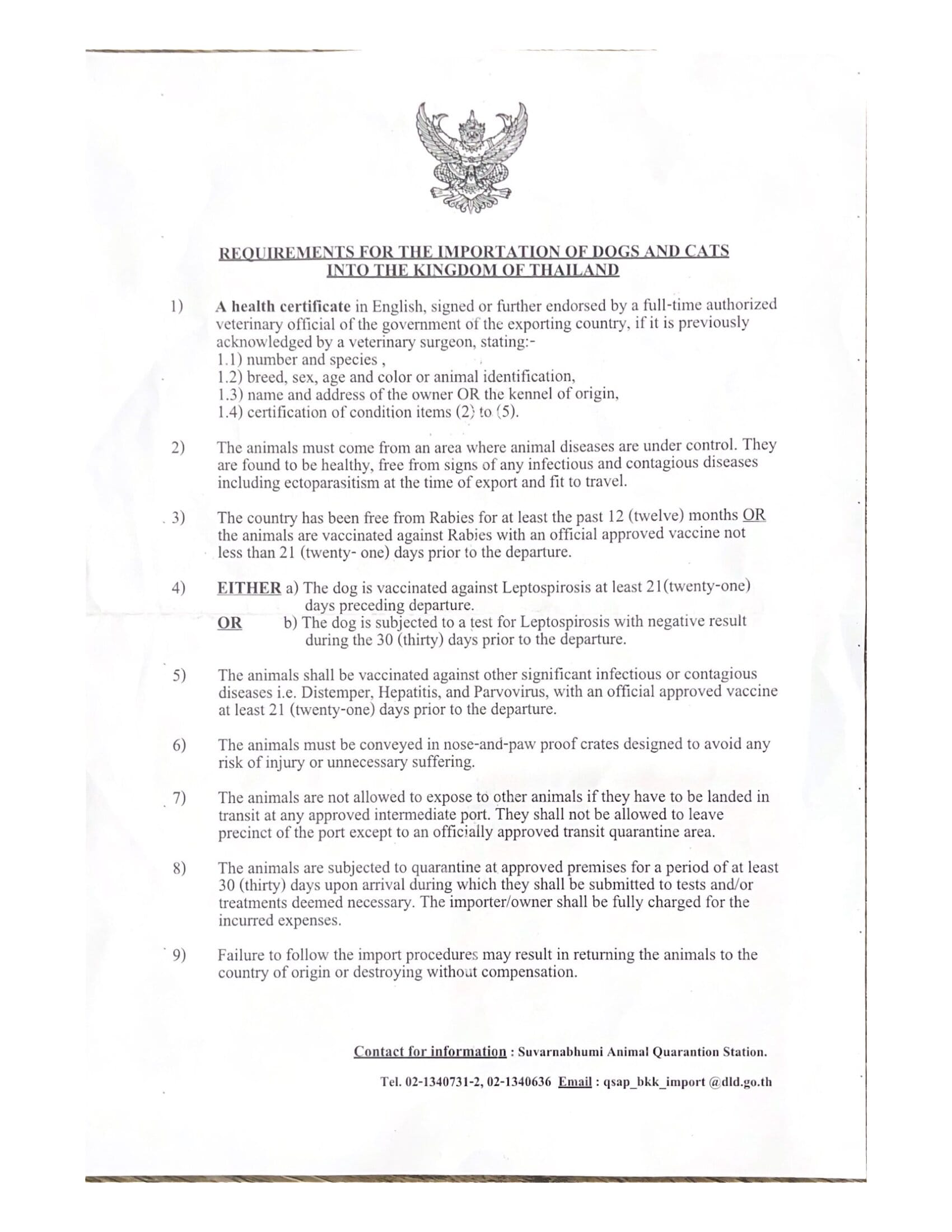
Thailand has no quarantine and no titer test for pets with correct papers. Each condition, from the rabies timing to the minimum age, is explained in our guide to bringing a dog or cat to Thailand, and the permit form in our guide to applying for the Thailand pet import permit.
Can I use my EU pet passport to enter Thailand?
Yes, but only as the vaccination record. The DLD’s import conditions ask for “a health certificate in English, signed or further endorsed by a full-time authorized veterinary official of the government of the exporting country”. An EU pet passport is signed by an authorised private vet, so it cannot stand in for that certificate.
Bring three things from the EU: the passport, a separate health certificate endorsed by your country’s official vet, and the printed Thai import permit. Some airlines check documents against the IATA Timatic database, which lists “pet passport or health certificate”. Thailand’s own rules are stricter, so carry both.
The Thai embassy in The Hague also asks Dutch owners to have the passport legalised by the Dutch foreign ministry and then by the embassy. The Thai embassies in Finland and Switzerland do not mention this step. What an EU passport does and does not prove is set out in our explainer on the EU pet passport.
Which documents does Thailand issue when a pet leaves?
Check the destination country’s rules first. The DLD issues its papers to match them, and some countries need months of preparation.
- Export permit (Form R.9): allows the pet to leave Thailand from one named airport, on one trip.
- Health certificate: issued by the DLD vet after an exam at the station. The Suvarnabhumi station uses the destination’s own form where one exists, such as the EU certificate or the Great Britain pet health certificate.
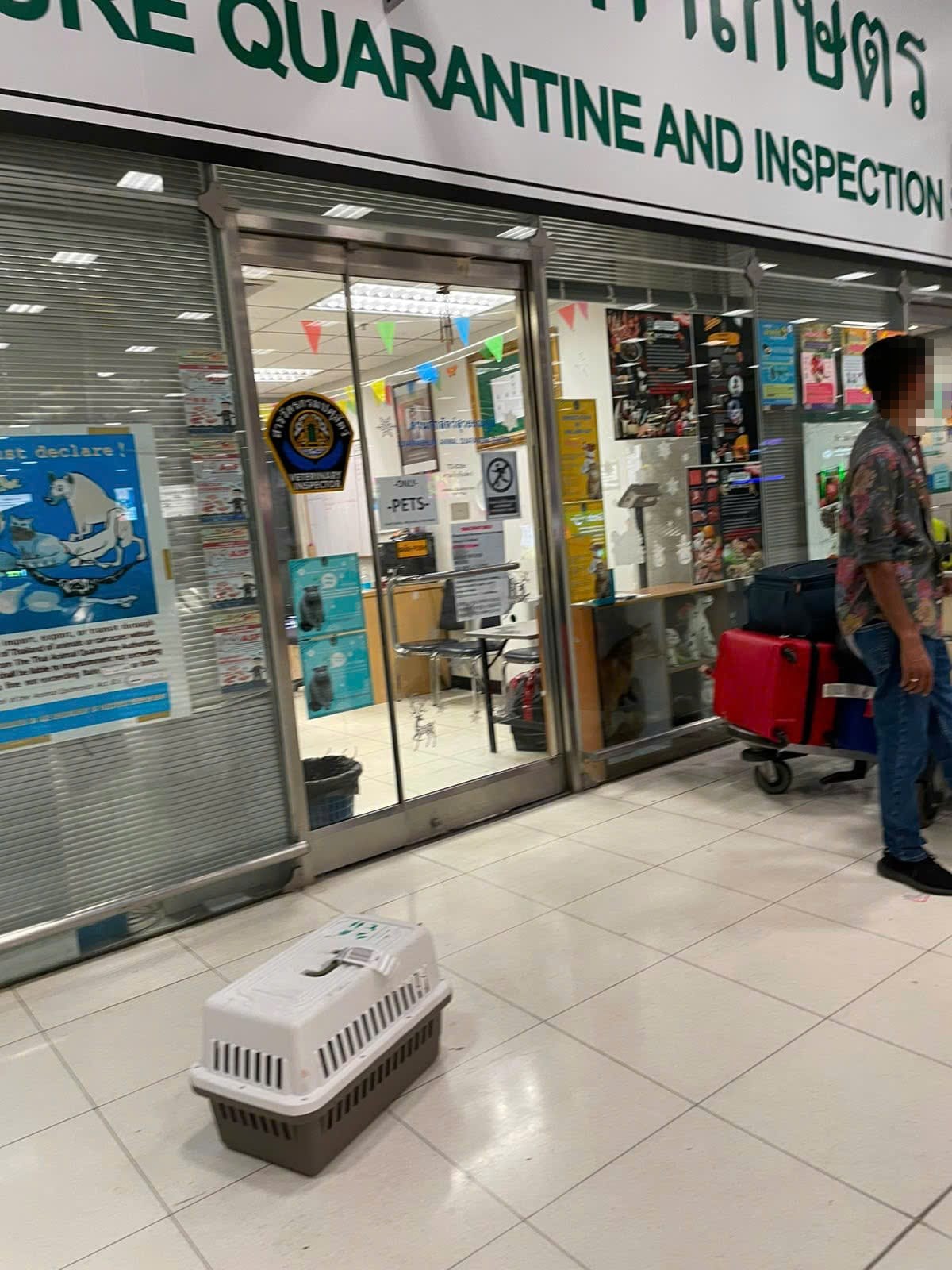
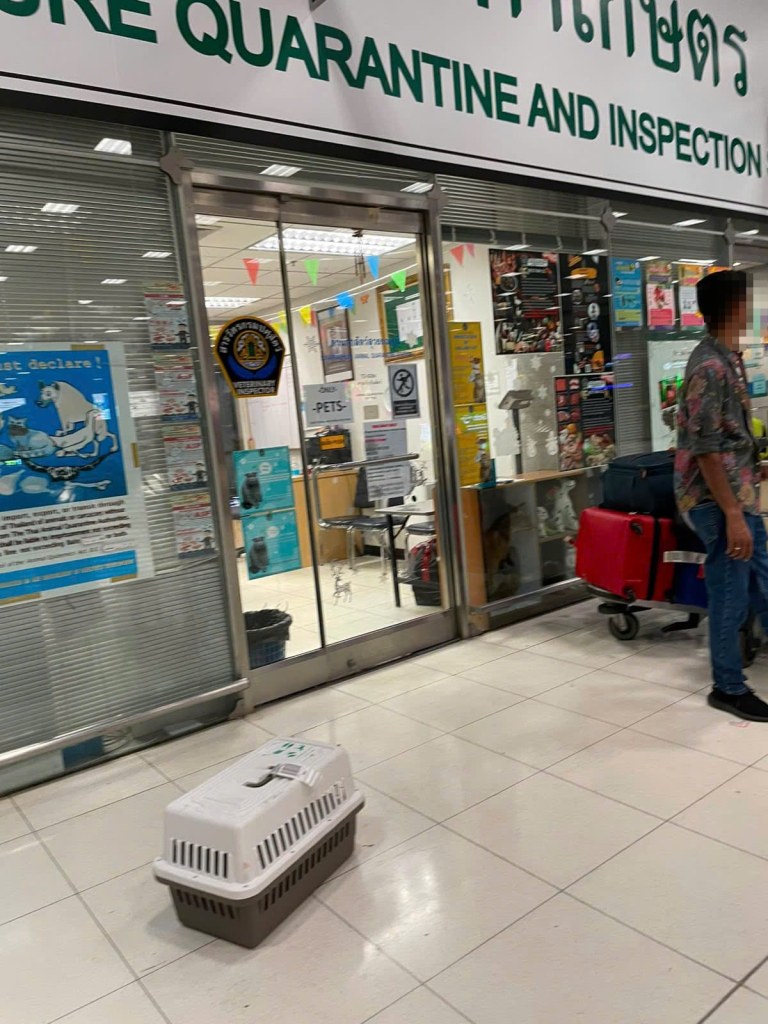
You apply through DLD’s e-Movement system or by email to the station, then bring the pet for the exam. At Suvarnabhumi, the DLD Animal Quarantine Station is in the CE-1 building of the Free Zone. It examines pets 1–5 days before departure, without an appointment, Monday to Friday. Stations at other airports work by appointment. The fee is 250 baht per pet plus a 10-baht document fee, in cash (AQS Suvarnabhumi: export).
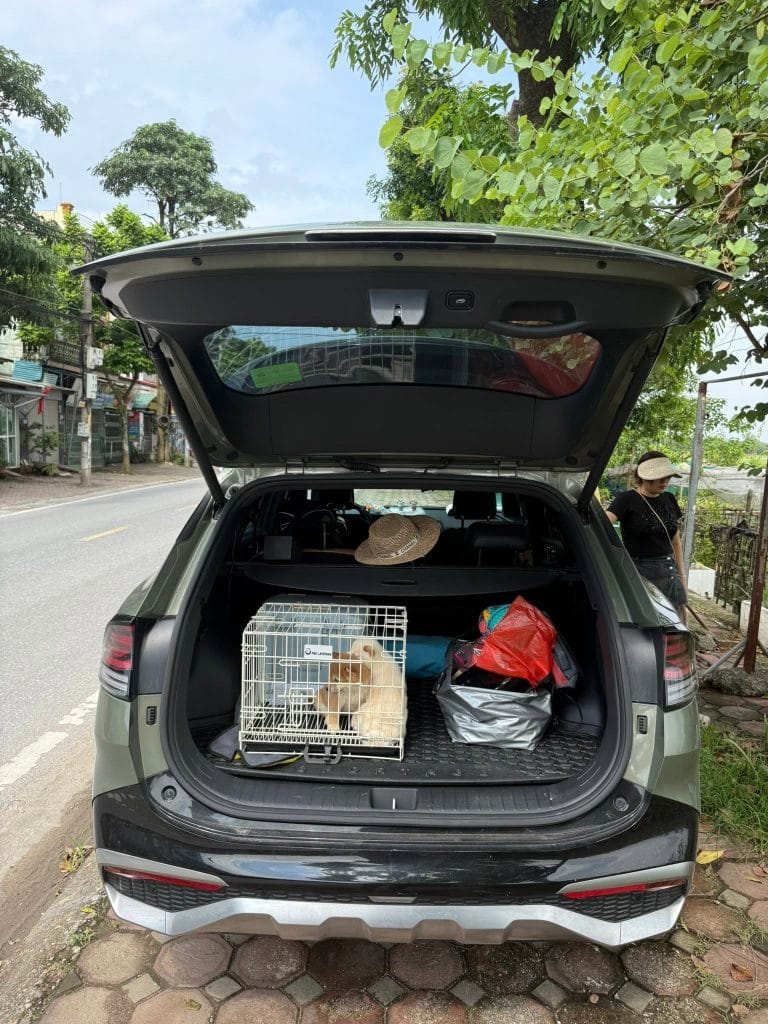
For a move to Vietnam, our guide to bringing a pet from Thailand to Vietnam walks through each step.
Both papers are short-lived, so the exam is booked a few days before the flight. If the destination asks for a rabies titer test, the DLD’s National Institute of Animal Health (NIAH) in Bangkok runs it. NIAH results are accepted by the EU and the UK, among others. Read how the test works in our guide to the rabies titer test.
Can my pet return to the EU on its EU pet passport?
It depends on how long the pet stayed in Thailand. Since 22 April 2026, EU pet travel follows Delegated Regulation (EU) 2026/131, which replaced Regulation (EU) 576/2013. Thailand is not on the EU’s list of exempt countries, so a rabies titer test is always needed, and in practice a pet arriving from Thailand must be at least seven months old.
- Short stay, test done before leaving the EU: the pet can re-enter on its EU pet passport. The passport must show a valid rabies vaccination and a favourable titer test, both done before the pet left the EU. The three-month wait does not apply. Confirm this with the airline and the EU country of entry before you book.
- Long stay or relocation: the pet needs an EU animal health certificate signed by the DLD vet in Thailand. It also needs a favourable titer test from a blood sample taken at least three months before entry.
- Booster given in Thailand: a vet in Thailand cannot issue an EU passport. A booster given abroad can be recorded only under the European Commission’s conditions, and the pet then returns on an animal health certificate.
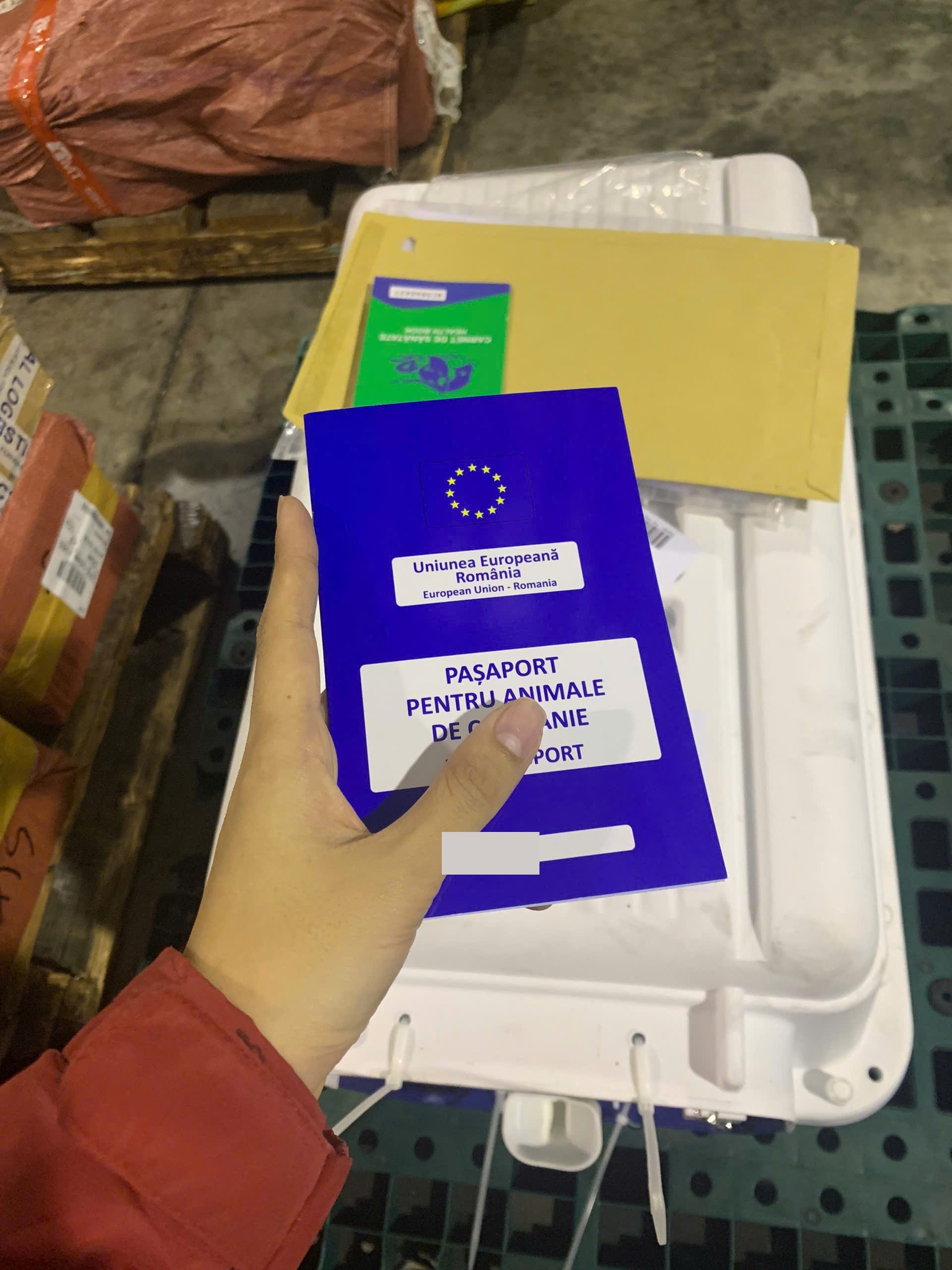
The European Commission explains both routes on its page on pets entering the EU from non-EU countries. If you plan to bring your pet home later, do the titer test before you leave the EU. It can save three months on the way back.
What about pets returning to Great Britain?
Thailand is not on Great Britain’s list of approved countries. A pet returning from Thailand needs a Great Britain pet health certificate signed by a government vet, a rabies titer test and a three-month wait from the blood sample. The wait does not apply if the pet “was vaccinated, blood tested and given a pet passport or Great Britain health certificate in the EU before travelling” (GOV.UK). A pet passport issued in Great Britain is not valid for travel to the EU.
Pets can fly into Great Britain only as manifest cargo, on an approved airline and route. They are cleared at the animal reception centre of the arrival airport through a UK customs agent, so cabin and checked-baggage travel are not options.
How long does the paperwork take?
Into Thailand, allow about four to six weeks from zero, mostly for the rabies wait and the import permit. Out of Thailand, the station exam takes a few days, but the destination sets the timeline. Plan the way back early. Thailand is not rabies-free, so a later move to the UK or the EU needs about 4 months of preparation, Japan about 7 months, New Zealand 8–9 months and Australia 10–12 months.
The costs on both legs are broken down in our guide to pet relocation costs for Thailand.
FAQ: pet passport Thailand
Do I need a pet passport to take my dog to Thailand?
No. Thailand asks for an import permit, a health certificate endorsed by your home country’s government vet, the vaccination record and a microchip. A pet passport can serve as the vaccination record.
Can I get a pet passport for my dog in Thailand?
Not an official one. Thai vets issue vaccination booklets, sometimes labelled “pet passport”, but they are not travel documents. To leave Thailand, the pet needs a DLD export permit and health certificate.
Is an EU pet passport valid in Thailand?
Only as the vaccination record. Thailand still requires a health certificate endorsed by the official vet of the exporting country and a Thai import permit.
Can a vet in Thailand issue or update an EU pet passport?
A vet in Thailand cannot issue one. Only an authorised vet in the EU can. A booster recorded abroad follows the European Commission’s conditions, and the pet then re-enters the EU on an animal health certificate.
What is a Thailand pet health certificate?
For pets entering Thailand, it is the health certificate from your home country, endorsed by its government vet and valid for 10 days. For pets leaving Thailand, it is the certificate issued by the DLD vet at the airport station, together with the export permit.
How much does Thailand charge for pet travel documents?
There is no permit fee to enter. On arrival, the quarantine station charges 500 baht per pet plus 10 baht per application, and customs charges duty on the declared value, usually about 1,500–2,000 baht per pet. To leave, the station charges 250 baht per pet plus a 10-baht document fee.
For the full move, from planning to arrival, see our pet relocation guide for Thailand.
Last updated 2 Nov 2026
Compiled by our specialists from the regulations in force on the date above, for reference only. Rules may change after this date. Please verify with the competent authorities or contact us for the most accurate information.
Official sources cited in this guide
- AQS Suvarnabhumi: exportaqs-suvarn-dld.go.th
- food.ec.europa.eu
- GOV.UKgov.uk