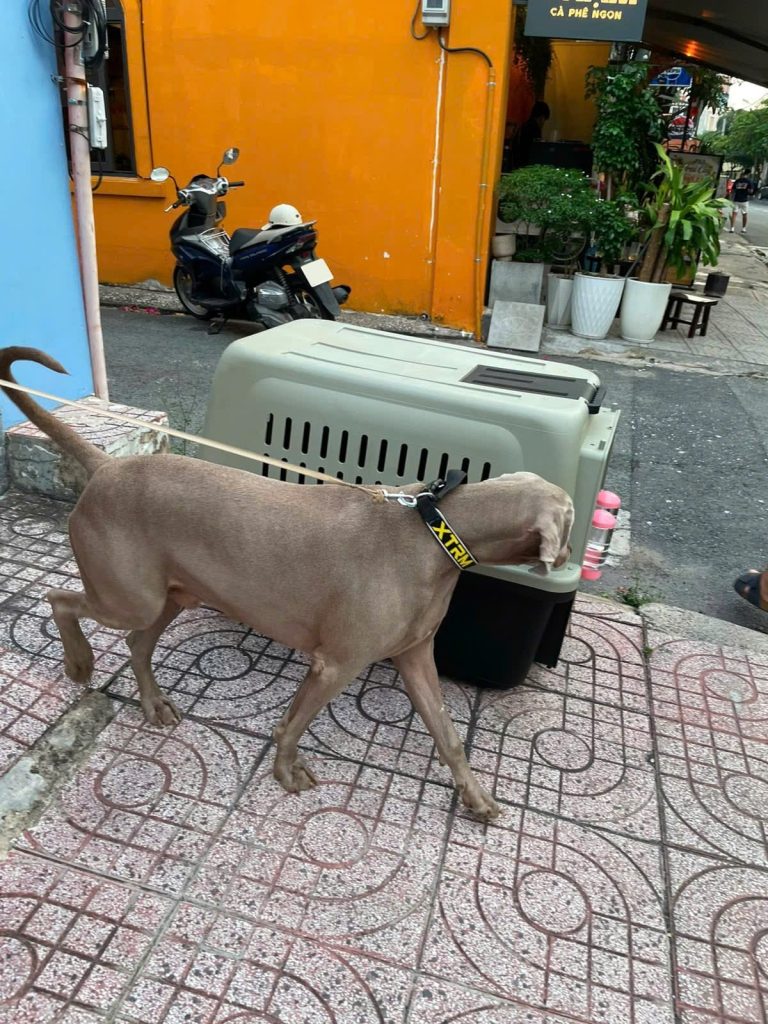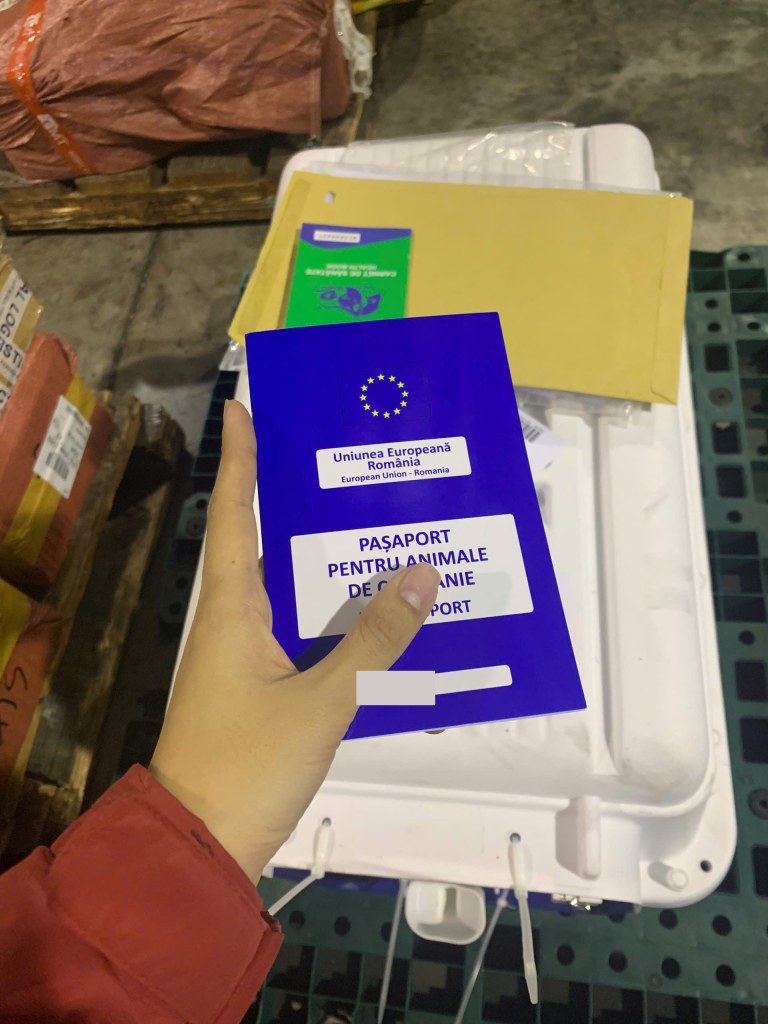
Most people who search “how long to prepare a pet for Europe” find travel blogs saying to start six to eight weeks ahead. That number applies to pets coming from countries on the EU’s approved “listed” list — countries with low, controlled rabies risk. Vietnam is not on that list. For pets coming from Vietnam, the minimum preparation window is four to five months, and that’s only if every step goes right on the first attempt.
The reason is a single requirement that most guides quietly omit: the mandatory Rabies Neutralising Antibody Titre Test (RNATT). For pets from Vietnam — classified by the EU as an “unlisted third country” — this test is not optional. It takes time to arrange, time to run, and triggers a 90-day waiting period that begins on the blood draw date, not the result date. Plan your move around this, not around a flight date.
For a full breakdown of why these rules exist and what each step involves legally, see our EU Pet Import Laws 2026 guide. This page focuses on the operational timeline — the actual sequence of events and how long each step takes in practice.
The Complete Step-by-Step EU Pet Import Timeline from Vietnam
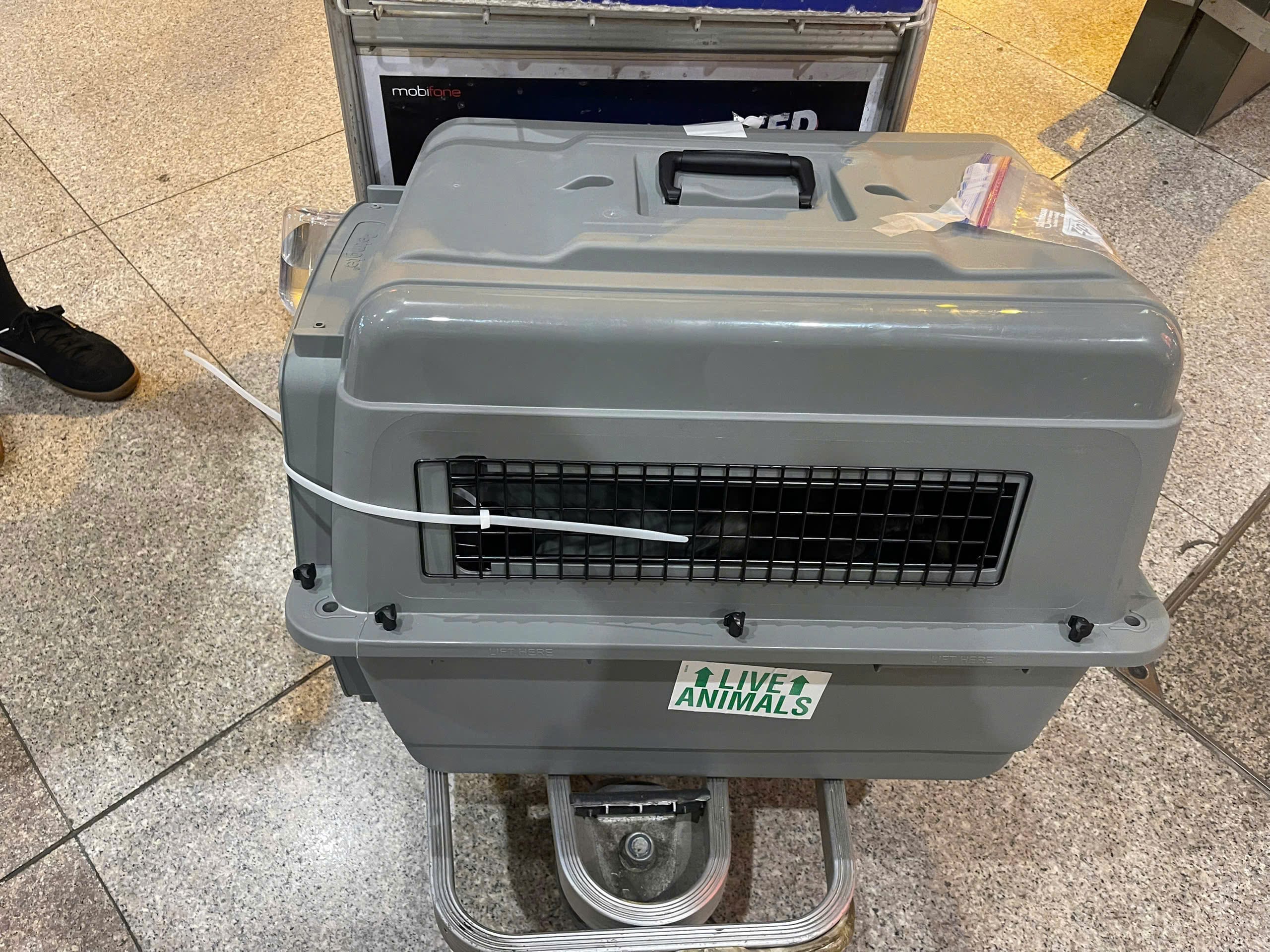
The table below shows the minimum timeline for non-commercial pet movement from Vietnam to any EU member state, following official EU requirements under Commission Delegated Regulation (EU) 2026/131, which has applied since 22 April 2026.
| Day / Milestone | Action Required | Notes |
|---|---|---|
| Day 0 | Implant ISO 11784/11785 microchip | Must be done before or on the same day as the first rabies vaccination. Any vaccine given before microchip implantation is invalid for EU entry. |
| Day 0 | Administer primary rabies vaccination | Pet must be at least 12 weeks (84 days) old. Vaccine validity begins 21 days after the shot. |
| Day 21 | Rabies vaccine becomes “valid” | Still cannot enter EU — RNATT and waiting period haven’t started yet. |
| Day 30+ (minimum) | Blood draw for RNATT titer test | Must be at least 30 days after vaccination. Sample prepared as serum and shipped internationally to a laboratory on the EU’s designated list. No EU-designated labs are located in Vietnam. |
| Day 30 = RNATT Day 0 | 90-day biological waiting period begins | The clock starts on the blood draw date — not the result date, not the date you receive the certificate. |
| ~Day 50–70 | Receive RNATT result | Lab processing + international shipping typically takes 2–4 weeks each way. Result must show ≥ 0.5 IU/ml to pass. |
| Day 120 (= RNATT Day 90) | Earliest day the EU Animal Health Certificate can be issued | The blood sample must be at least 90 days old on the day the certificate is issued. If the RNATT was drawn on Day 30 and passed, that is Day 120 from Day 0 — the absolute earliest your pet can fly. |
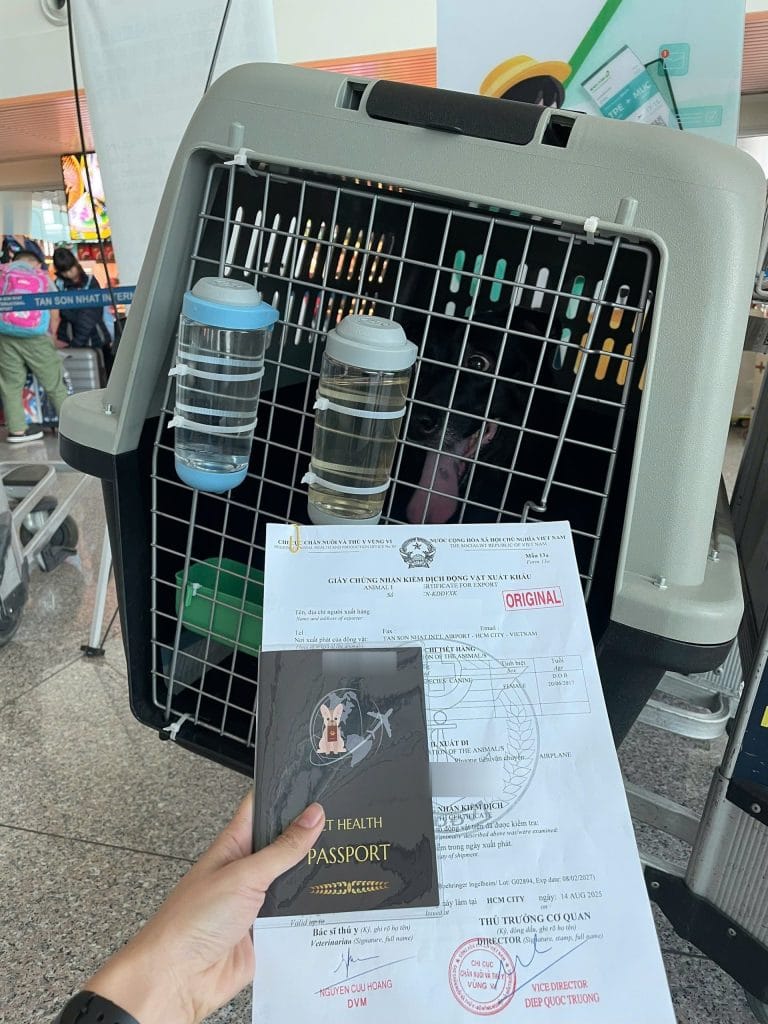
| Day 120 onward | Obtain EU Animal Health Certificate | Issued by an official veterinarian and endorsed by Vietnam’s Department of Animal Health (Cục Thú y). It cannot be issued before Day 120, and it is valid for only 10 days from issuance — book the flight inside that window. |
| 24–120 hours before arrival | Echinococcus tapeworm treatment (dogs only, for select destinations) | Required 24–120 hours before scheduled arrival if the destination is Finland, Ireland, Malta, or Norway (time it inside the same window if the route connects through one of them). Must be certified in the health certificate. Cats are exempt. |
| Day 120–130 | Arrival at EU Travellers’ Point of Entry (TPOE) | Present all documents for documentary and identity checks. Not every EU airport is a designated TPOE — confirm before booking flights. Common TPOEs: Frankfurt (FRA), Amsterdam (AMS), Paris CDG, Helsinki (HEL). |
Minimum total timeline: 4 to 5 months. If your pet’s RNATT blood draw happens later than Day 30, or if any step is delayed, the departure date shifts accordingly.
If the Titer Test Fails: The Reset Scenario
The RNATT threshold is ≥ 0.5 IU/ml. If your pet’s result comes back below this level — which can happen even in vaccinated animals, especially those with immune variability or compromised health — the entire waiting period resets.
Here’s what a failed test means in practice:
- Revaccinate the pet immediately (or wait if the current vaccination is still valid).
- Wait at least 30 days from the revaccination date.
- Draw a new blood sample and ship to an EU-approved lab again.
- Start a new 90-day waiting period from the new blood draw date.
A single failed test adds roughly 3 to 5 months to your total timeline. This is why starting the process as early as possible is not optional — it’s a risk management decision. If you’re working toward a specific relocation date, beginning 7 to 8 months before departure gives you a buffer for one retry.

Dogs vs. Cats: Key Differences in the EU Timeline
The core timeline is identical for both dogs and cats from Vietnam. Both must complete the microchip + vaccination + RNATT + 90-day sequence. However, three differences are worth noting:
| Requirement | Dogs | Cats |
|---|---|---|
| ISO Microchip | Required | Required |
| Rabies vaccination (≥ 12 weeks old) | Required | Required |
| RNATT titer test + 90-day wait | Required | Required |
| EU Animal Health Certificate | Required | Required |
| Echinococcus treatment (FI/IE/MT/NO) | Required | Exempt |
| Breed restrictions | Yes — varies by country | No breed bans in EU |
| Minimum age for EU entry from Vietnam | ~7 months | ~7 months |
For dogs traveling to Finland, Ireland, Malta, or Norway, the Echinococcus tapeworm treatment must be administered by a veterinarian between 24 and 120 hours before the scheduled arrival time. This is in addition to the standard timeline above, not instead of it. If the route connects through one of these countries, give the treatment inside the same window.
The 5-Day Owner-Pet Window: A Timing Constraint That Affects Airlines
There’s one more timeline variable that affects logistics planning: the owner and pet must travel within 5 days of each other for the movement to qualify as “non-commercial.” If the gap is more than 5 days, the movement no longer counts as non-commercial and falls under commercial rules, which are considerably more complex.
This matters most when you’re relying on a specialist pet transport service like Daisy Pet to accompany your pet while you travel separately. The 5-day window must be respected and documented in a written declaration attached to the health certificate. For a detailed breakdown of this rule and its implications, see our dedicated guide on the EU 5-day owner-pet travel rule.
Booking Flights: When to Start and What to Confirm
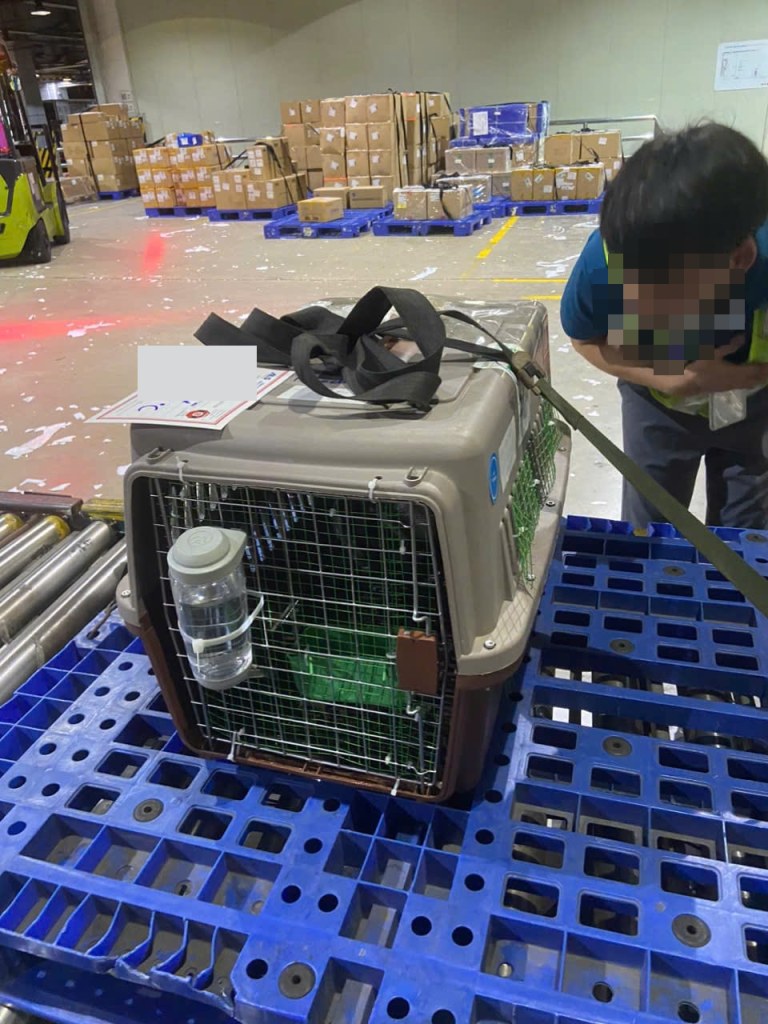
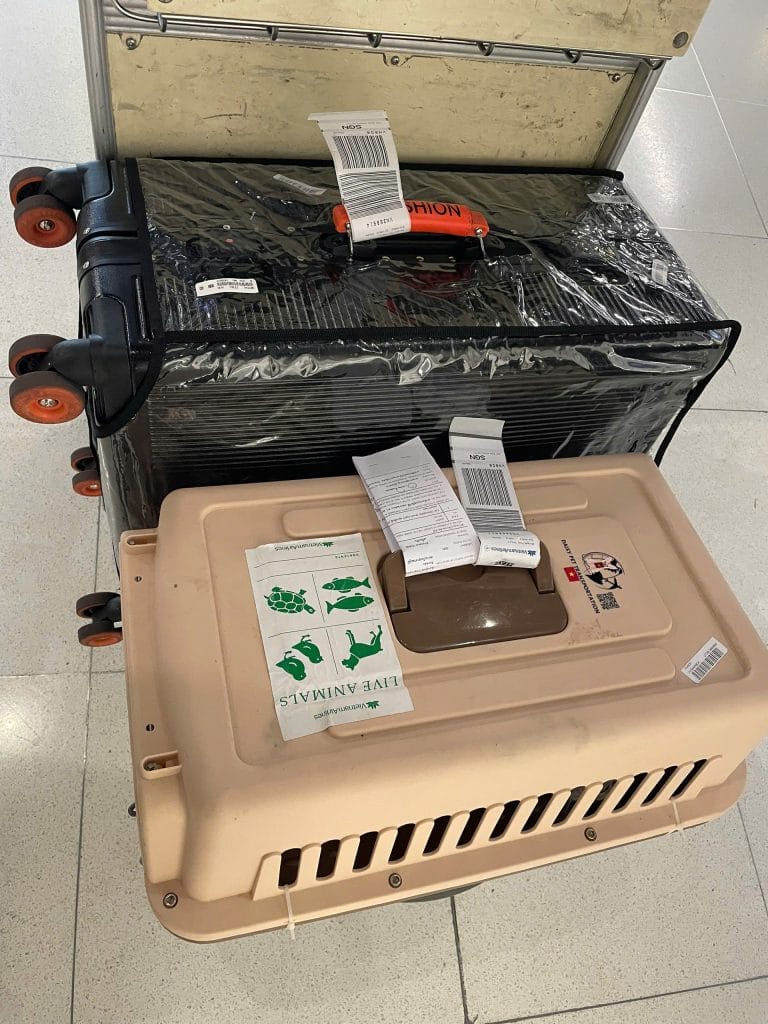
Airlines that accept pets as manifest cargo from Vietnam to Europe include Turkish Airlines (via Istanbul), Lufthansa (via Frankfurt), KLM (via Amsterdam), and Qatar Airways (via Doha). From Vietnam, all routes to Europe operate as manifest cargo — the distances are too long for checked baggage (AVIH) service. This means your pet travels as a separate cargo shipment with its own airway bill, not in the same check-in process as your luggage.
Booking freight space should happen 4 to 8 weeks before the planned departure date. Cargo space for live animals is limited and subject to seasonal embargoes during extreme heat periods. See our Airlines for Pet Transport from Vietnam to Europe guide for carrier-specific policies and booking procedures.
For a breakdown of what these steps cost — from veterinary procedures to cargo freight — see our Pet Relocation Cost to Europe guide. For a service-level overview, visit our Pet Shipping to Europe destination page.
Last updated 17 Oct 2026
Compiled by our specialists from the regulations in force on the date above, for reference only. Rules may change after this date. Please verify with the competent authorities or contact us for the most accurate information.