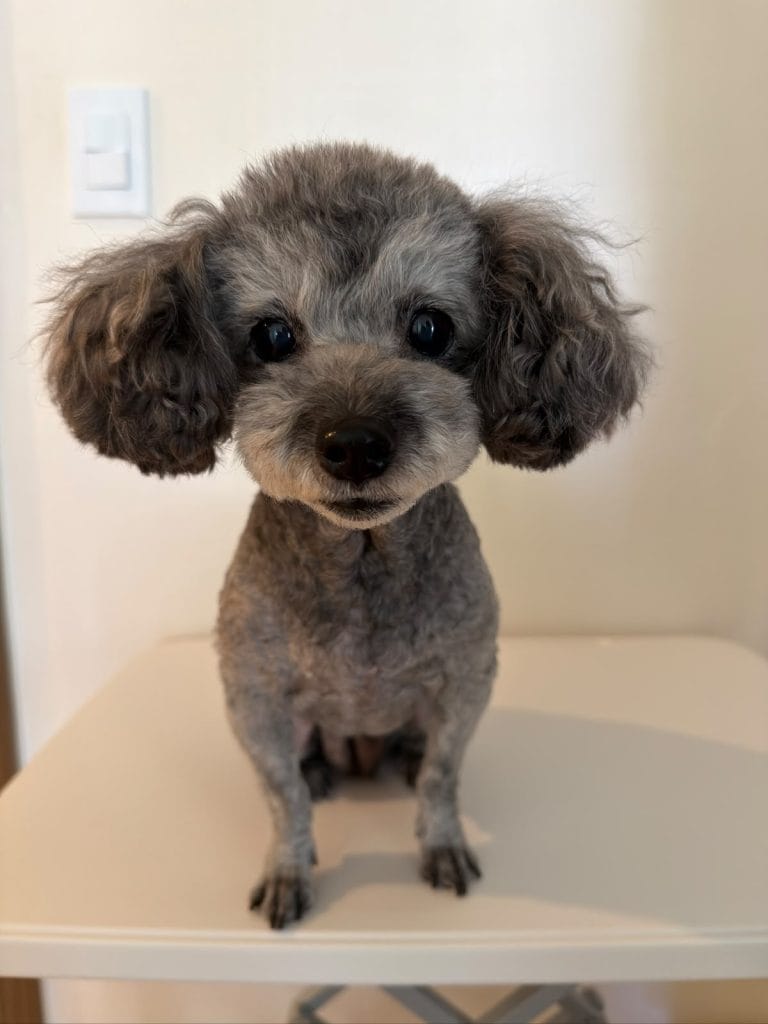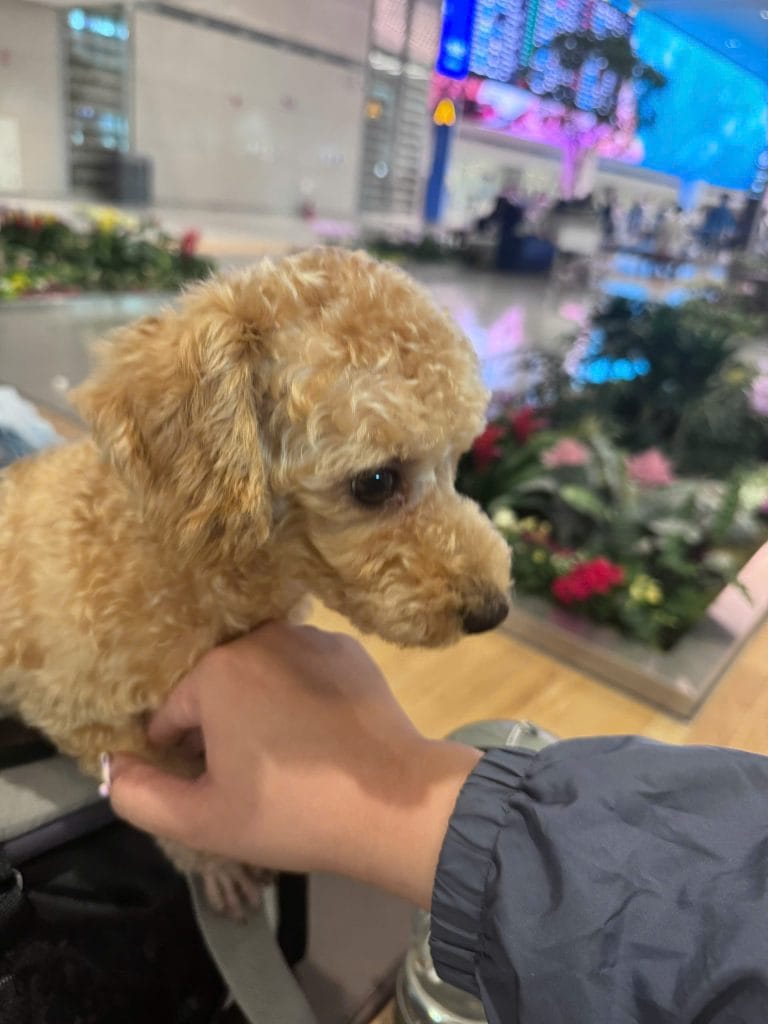
South Korea’s pet import laws check three things for a dog or cat from Vietnam: a government export certificate, an ISO microchip and a rabies antibody result. Korea’s Animal and Plant Quarantine Agency (APQA) checks them at Incheon and releases a compliant pet the same day. The timing is the hard part. The blood test comes about 30 days after the rabies vaccine, and the result must be back before Vietnam issues the certificate.
Vietnam’s export rules and your airline’s pet policy apply as well. This guide covers Korea’s side, with the Vietnamese steps that feed into it. For the service side of the route, see our page on shipping a pet from Vietnam to South Korea.
Quick answers about South Korea pet import rules
- Is there quarantine? No, if the papers, chip and antibody test are in order. The pet leaves the airport the same day.
- Is a titer test needed from Vietnam? Yes, for every dog and cat aged 90 days or more.
- How long is the titer valid? The blood must be drawn within the 24 months before arrival.
- Who issues the health certificate? Vietnam’s regional veterinary authority, on Form 13a.
- How long does it take? At least 30 days plus lab time from a first vaccine. About three weeks of paperwork if the vaccine and titer are already done.
- Is any breed banned? No. Five “dangerous dog” breeds face extra steps after arrival.
What does South Korea require for a pet from Vietnam?
Vietnam is not on Korea’s list of 59 rabies-free countries and regions. APQA therefore asks pets from Vietnam for proof of rabies immunity, not only a vaccine record. The rules sit in APQA notice 2026-43, in force from 30 September 2026.
| Requirement | What Korea accepts |
|---|---|
| Export health certificate | Issued by Vietnam’s government veterinary authority. It must show the microchip number and the titer details: blood-draw date, laboratory and result. |
| Microchip | ISO 11784/11785, for every dog and cat at any age. The number must match the certificate. |
| Rabies antibody test (RNATT) | At least 0.5 IU/mL by FAVN or RFFIT. The blood must be drawn within 24 months before arrival. |
| Pets under 90 days old | No titer test. They still need the microchip and a certificate showing their age. |
Korea does not ask for an import permit for personal pets. It also sets no waiting period after the blood draw. APQA lists these rules on its dog and cat import page.
Breed rules and pet numbers to check first
Korea refuses no breed at the border. Five breeds and their crosses, however, count as “dangerous dogs” (맹견) under the Animal Protection Act: Tosa, Pit Bull Terrier, American Staffordshire Terrier, Staffordshire Bull Terrier and Rottweiler.
- Import report: the owner reports the dog to the Ministry of Agriculture, Food and Rural Affairs within 7 days of the Korean quarantine certificate. Skipping it carries a fine of up to KRW 3,000,000.
- Keeping permit: since 27 April 2024, the owner also applies for a local permit within 30 days. It needs dog registration, liability insurance, neutering and a temperament assessment.
- Arrival exam: for a wider list of large breeds, the owner or handler must attend the quarantine exam at the airport. The list includes German Shepherd, Jindo, Chow Chow, Doberman, Cane Corso and Mastiff. This is a handling rule, not a ban.
Airlines run their own breed rules, often stricter for snub-nosed and strong breeds. Our guide to breed restrictions on flights covers that side.
On numbers, up to 9 dogs or cats need no advance notice. For 10 or more, the importer files an animal import declaration with APQA before arrival. Airlines set their own limit per passenger, usually lower.
Step 1: Implant an ISO microchip
Who does it: a vet in Vietnam.
The microchip ties every document to one animal. Korea scans it on arrival and compares the number with the export certificate. A single wrong digit can hold the pet at the airport until the record is corrected.
Daisy Pet implants the chip before or on the same day as the rabies vaccine. That order is the common international standard, so every record carries one number from the start. If your pet already has a chip, ask for a microchip check for international travel before the blood test. A chip that is not ISO standard means bringing your own reader to Incheon.
Step 2: Rabies vaccine and the antibody test
Who does it: the vet draws blood; Daisy Pet sends the sample to the laboratory.
The pet needs a rabies vaccine first, because the test measures the immunity it produces. APQA advises drawing blood about 30 days after the vaccine. Daisy Pet follows the same waiting period after vaccination before booking the blood draw.
Korea accepts a result from an internationally recognised rabies laboratory or from a government laboratory of the exporting country. The method must be FAVN or RFFIT. Daisy Pet sends samples from Vietnam to a recognised international laboratory and waits for the report before planning the flight. The rabies titer test guide explains how the test works.
A passing result stays valid for 24 months from the blood draw. One test can therefore cover a move to Korea and a later return to Korea within that window.
Step 3: Vietnam’s export health certificate (Form 13a)
Who does it: the Regional Animal Health and Production Office at the exit airport, with Daisy Pet preparing the file.
The certificate is Vietnam’s Form 13a, the animal health certificate for export. The pet has a clinical exam, and the regional office then issues the certificate. It records the microchip number and the titer result Korea checks. Korean law only requires it to be issued before the pet boards. Its validity is printed on the form.
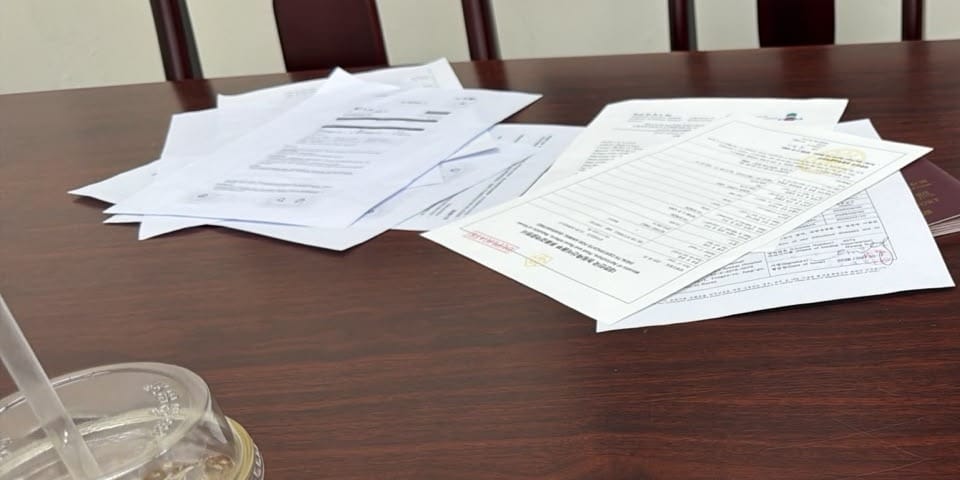
There is no special Korea–Vietnam template. Korea fixes what the certificate must show, not the form itself. From 30 September 2026, Korea also accepts certificates with an electronic signature or QR code that can be verified on the exporting government’s website. Our animal health certificate guide covers how the Vietnamese side works.
In October 2026, a 10-year-old Poodle flew from Da Nang to Incheon on Korean Air KE460. Her Form 13a was issued three days before the flight and listed her rabies vaccine and her antibody result. Tiantian’s round trip between Seoul and Da Nang shows the full file.
When the vaccine and titer are already done, Daisy Pet’s document work for Korea usually takes about three weeks. Most owners fly with their pet in the cabin or as checked baggage and book the pet’s space with the airline. Daisy Pet checks the itinerary before the ticket is issued. Larger pets travel as manifest cargo in an IATA-compliant travel crate.
Step 4: Arrival at Incheon (ICN) — is there quarantine?
Who does it: the owner, with the original documents.
A pet that meets the rules goes home the same day. Korean law sets no clearance time in minutes or hours, so plan for the check rather than a fixed figure.
- Tick the animal box on the traveller’s customs declaration, or in the e-declaration app.
- After immigration and baggage claim, hand the original certificate to the animal quarantine officer. This counter comes before the customs inspection.
- The officer scans the microchip, checks the certificate and titer, and stamps the declaration.
- The owner then passes customs with the pet.
The import quarantine fee for a dog or cat is KRW 10,000 per application.
A pet flown as manifest cargo is collected at the Incheon cargo terminal instead. Customs clearance there goes through a Korean agent, and Daisy Pet works with a partner agent in Korea.
If something is missing, APQA applies these rules:
- No certificate: the pet is sent back.
- Certificate missing information: the pet is held until the details are supplied.
- No readable chip: a chip is implanted at the airport or in quarantine.
- No titer or a failed titer: the pet goes to the quarantine station and is vaccinated. It is tested again 30 days later and released after a passing result.
The owner pays every cost in these cases, including care, tests, the chip and the certificates. The rules are set out in APQA notice 2026-43 on Korea’s legal database.
After arrival: dog registration and rabies vaccination
Dogs aged two months or more must be registered with the local district office. Korea’s pet registration rules give 30 days to do it, and an unregistered dog can bring a fine of up to KRW 1,000,000. Cat registration is voluntary.
Rabies vaccination in Korea runs on vaccination orders from the national and local governments. Local offices usually call dogs older than three months each year. A dangerous-dog breed also needs its keeping permit within 30 days, as explained above. If you later move back, our guide to bringing a pet from South Korea to Vietnam covers the return.
FAQ: South Korea pet import
Will my pet be quarantined on arrival in South Korea?
No, if the pet has Vietnam’s Form 13a, a chip that matches it and a valid titer of at least 0.5 IU/mL. Without a certificate the pet is sent back, and a missing chip or titer leads to quarantine at the owner’s cost.
When should I do the rabies antibody test for Korea?
Draw blood about 30 days after the rabies vaccine. There is no waiting period after the draw before the pet can fly.
My pet was vaccinated before the microchip. Does APQA accept it?
Korean rules do not cancel a vaccine given before the chip. APQA checks that the chip number on the certificate matches the pet and that the titer is at least 0.5 IU/mL. The blood sample must therefore be linked to the current chip, so check with Daisy Pet before the blood draw.
How many pets can I bring into South Korea?
Up to 9 dogs or cats without advance notice. For 10 or more, an animal import declaration goes to APQA before arrival. Airlines set their own limits per passenger.
Can a puppy or kitten under 90 days old enter Korea?
Yes, without a titer test. It still needs an ISO microchip and a certificate that shows its age. Airlines usually accept pets from eight weeks old and fully weaned.
Can I bring a Pit Bull or Rottweiler to South Korea?
Yes. The owner reports the dog within 7 days of the Korean quarantine certificate and applies for a keeping permit. APQA’s own dog and cat import FAQ answers further questions.
Last updated 21 Oct 2026
Compiled by our specialists from the regulations in force on the date above, for reference only. Rules may change after this date. Please verify with the competent authorities or contact us for the most accurate information.
Official sources cited in this guide
- apqa.go.krapqa.go.kr
- APQA notice 2026-43 on Korea’s legal databaselaw.go.kr
- Gravatargravatar.com