The China CIQ pet inspection takes place at the arrival port, before your pet can leave the airport. Customs officers check the documents, scan the microchip and examine the pet. Then they release the pet, send it to 30 days of quarantine, or order it returned or destroyed.
Short Answer: What Happens at China’s Pet Inspection?
- Who inspects the pet? Customs officers of the General Administration of Customs of China (GACC). The old name, CIQ, is still widely used.
- What do they check? The health certificate, the rabies vaccination record, the titer test report and the microchip.
- How does it end? Release, quarantine, or return.
- Fix documents on the spot? No. Every document must be ready before the flight.
The documents themselves are explained in our guide to China’s pet import rules.
What Does CIQ Mean for Pets Entering China?
CIQ stands for China Entry-Exit Inspection and Quarantine. In 2018, the CIQ bureaus were merged into GACC. Today, customs officers at the port carry out the inspection. Travellers and airlines still call it “the CIQ check”. The whole move is outlined in our pet shipping to China overview.
5 Steps at the Arrival Port in China
- Step 1: declare the pet.
- Step 2: the officer checks the documents.
- Step 3: the officer scans the chip and examines the pet.
- Step 4: the officer decides the outcome.
- Step 5: you collect the pet.
Step 1: Declare the Pet in the Red Channel
Who: you.
A pet is an item you must declare in writing. Under GACC Announcement No. 43 of 2025, you fill in the baggage declaration and go through the red channel. You also fill in the pet registration form at the counter. You can pre-declare the pet on the customs mini-program in WeChat or Alipay before landing. If the pet flies as cargo after you, declare it now as separately shipped baggage.
Step 2: The Officer Checks the Documents
Who: the customs officer; for a cargo shipment, the receiving agent hands over the file.
The officer looks for four originals:
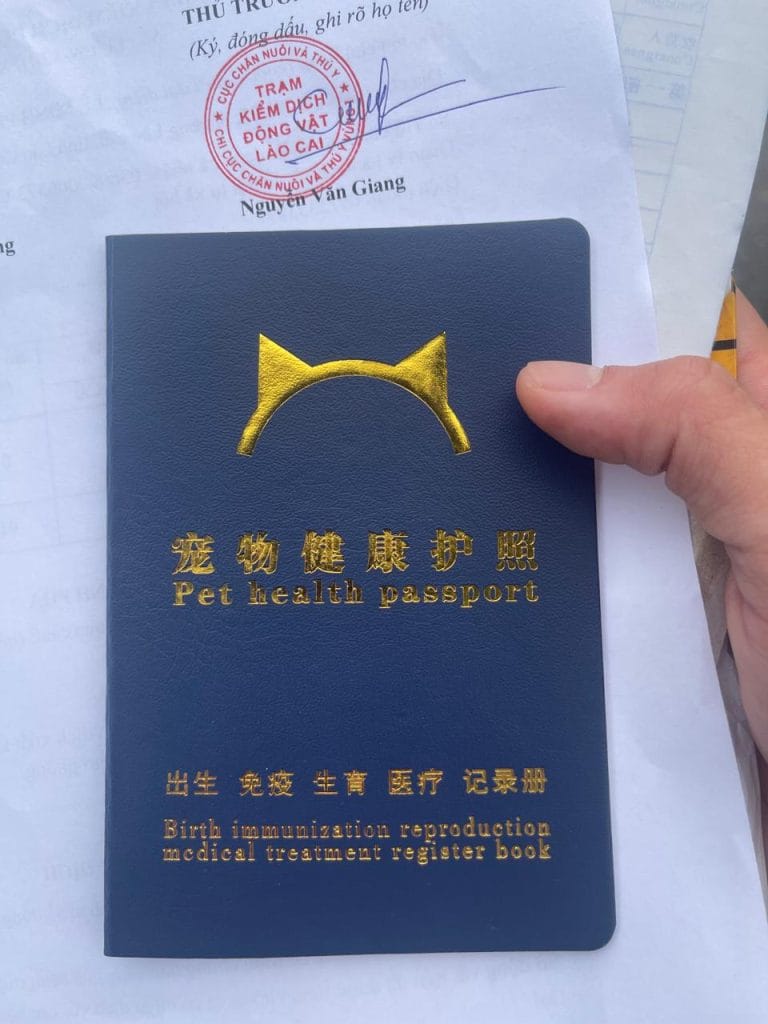
- the export health certificate from Vietnam’s Department of Animal Health (DAH);
- the rabies vaccination record, showing at least two doses;
- the titer test report from a GACC-approved laboratory, at 0.5 IU/ml or higher;
- your passport.
The officer compares the dates. The blood sample must be dated on or after the second rabies dose. The clinical examination must be within 14 days before arrival.
Step 3: The Officer Scans the Chip and Examines the Pet
Who: the customs officer.
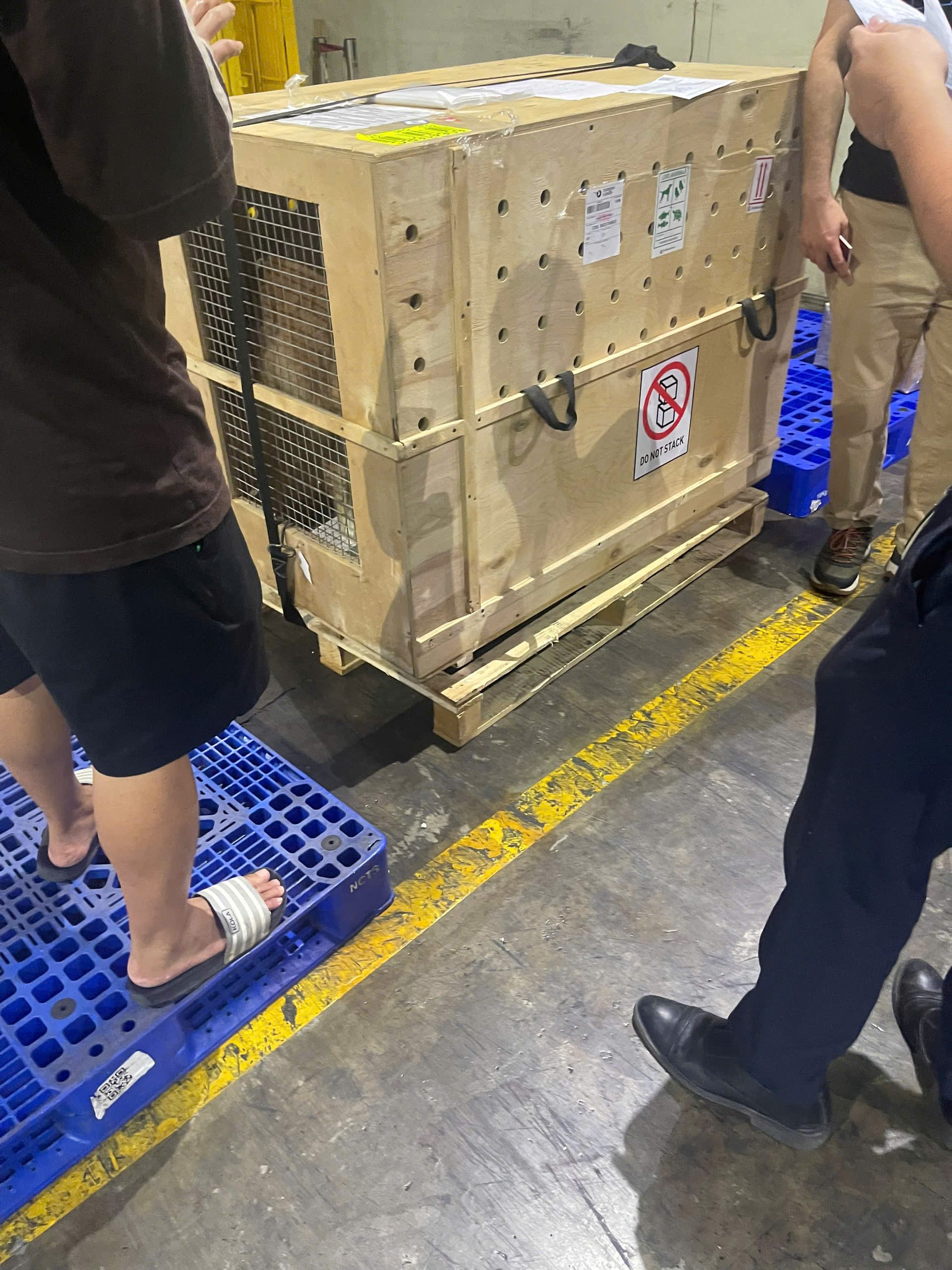
The officer scans the chip and compares the number with every document. A non-ISO chip needs your own reader. The officer then looks for signs of infectious disease or parasites, and compares the pet with the description on the certificate.
Step 4: The Officer Decides the Outcome
Who: the customs officer.
| What the officer finds | Outcome |
|---|---|
| All documents correct, chip matches, pet healthy | Released |
| No readable chip, no valid titer result, or signs of disease | 30 days of quarantine |
| No valid health or vaccination certificate, a corrected or incomplete certificate, or more than one pet per traveller | Returned or destroyed |
The rules behind this table are in GACC Announcement No. 5 of 2019. A returned pet must leave China by the deadline in the detention receipt, at the owner’s expense. A pet not collected in time is destroyed.
Step 5: Collect Your Pet
Who: you, or the receiving agent for a cargo shipment.
A pet travelling with you leaves with you once released. A pet that arrived as cargo is released through the cargo terminal, and the receiving agent clears it. Arrange the agent before the flight. Booking the cargo option is covered in our guide to airlines flying pets to China.
What Happens During 30 Days of Quarantine in China?
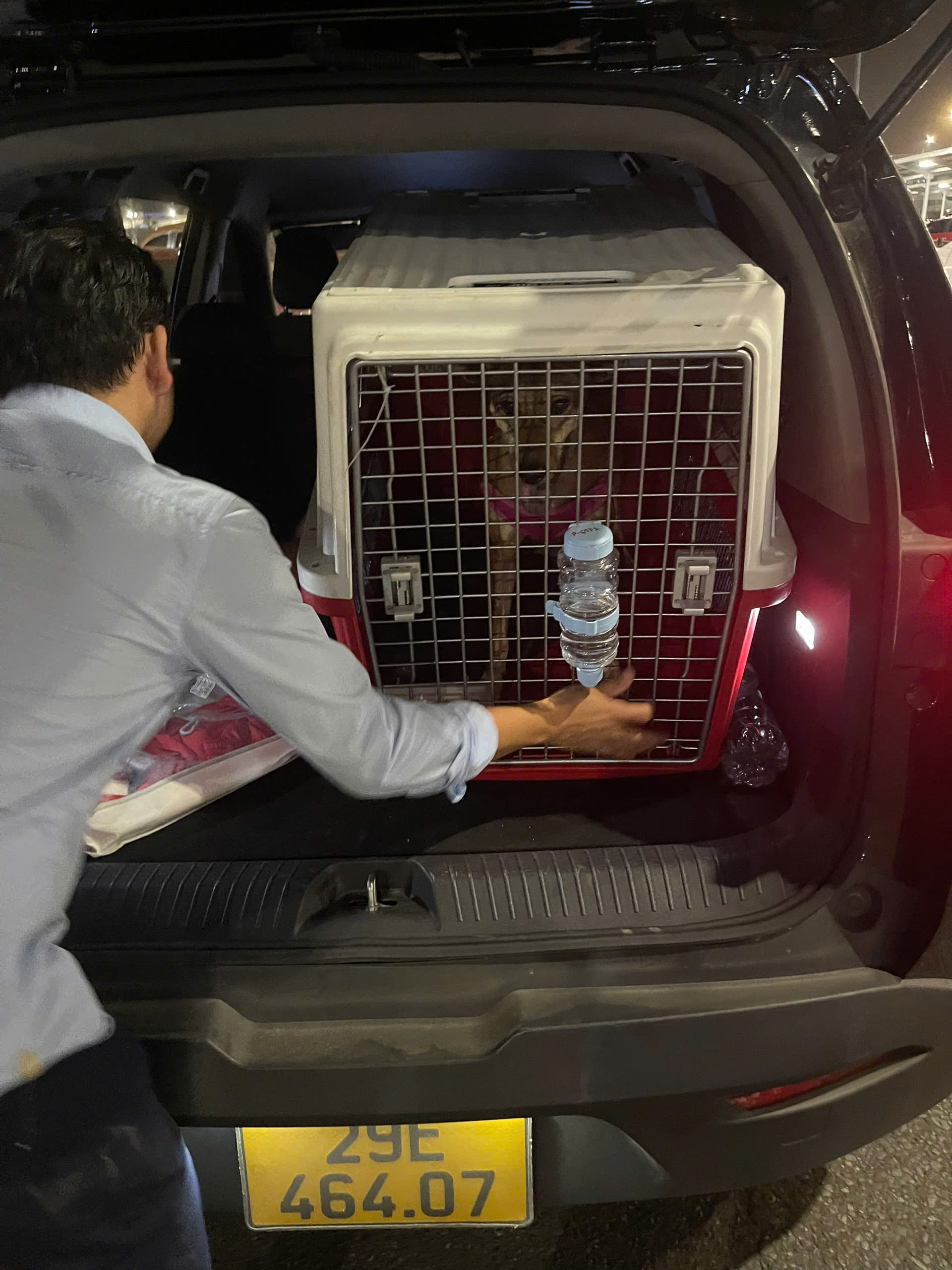
Customs sends the pet by special vehicle to a customs-designated quarantine facility. Only 10 ports have one, including Beijing Capital, Shanghai Hongqiao and Pudong, and Guangzhou Baiyun. The full list is in our China pet import FAQ. A pet that needs quarantine at a port without a facility is returned or destroyed.
- Cost: the owner pays the full fee, quoted by the facility.
- Visits: under Annex 1 of the 2019 announcement, the pet is not allowed out during quarantine. If it falls ill, customs informs you and can let a vet in.
- Release: if the pet passes, you book a pickup time and bring the original detention receipt and your passport to the airport customs office.
Guangzhou Customs describes this pickup process for its Baiyun facility, which opened in July 2019.
How Can You Avoid Problems at the China Pet Inspection?
Most problems start with a document prepared in Vietnam. Check these before the flight:
- two rabies doses on record, with the blood sample dated on or after the second;
- a titer report from a laboratory on the GACC list;
- a health certificate with every required detail and no corrections;
- the same chip number on every page.
Our step-by-step China timeline shows when each document is prepared.
FAQ: China CIQ Pet Inspection
What is CIQ for pets entering China?
CIQ means China Entry-Exit Inspection and Quarantine. Since 2018, customs officers of GACC carry out the inspection at the port.
What happens if my pet fails the inspection in China?
A pet without a valid chip or titer result goes to 30 days of quarantine. A pet without a valid health or vaccination certificate, or with a corrected one, is returned or destroyed.
Can I fix a missing document at the Chinese airport?
No. The officer decides on the documents presented at the port, so every document must be ready before departure.
Who pays for quarantine in China?
The owner pays the full fee, which the quarantine facility quotes. GACC does not publish a national fee.
Does my pet need to be declared on arrival in China?
Yes. You declare the pet in writing and go through the red channel. You also fill in the pet registration form at the counter.
Last updated 16 Oct 2026
Compiled by our specialists from the regulations in force on the date above, for reference only. Rules may change after this date. Please verify with the competent authorities or contact us for the most accurate information.
Official sources cited in this guide
- GACC Announcement No. 43 of 2025gov.cn
- GACC Announcement No. 5 of 2019english.beijing.gov.cn