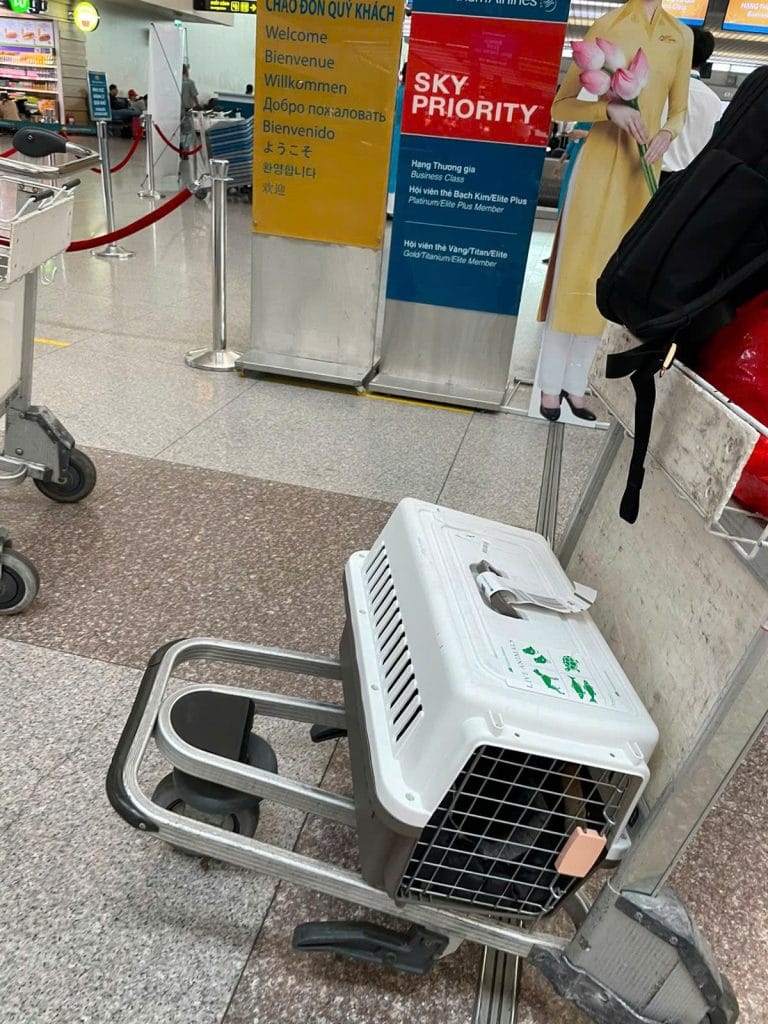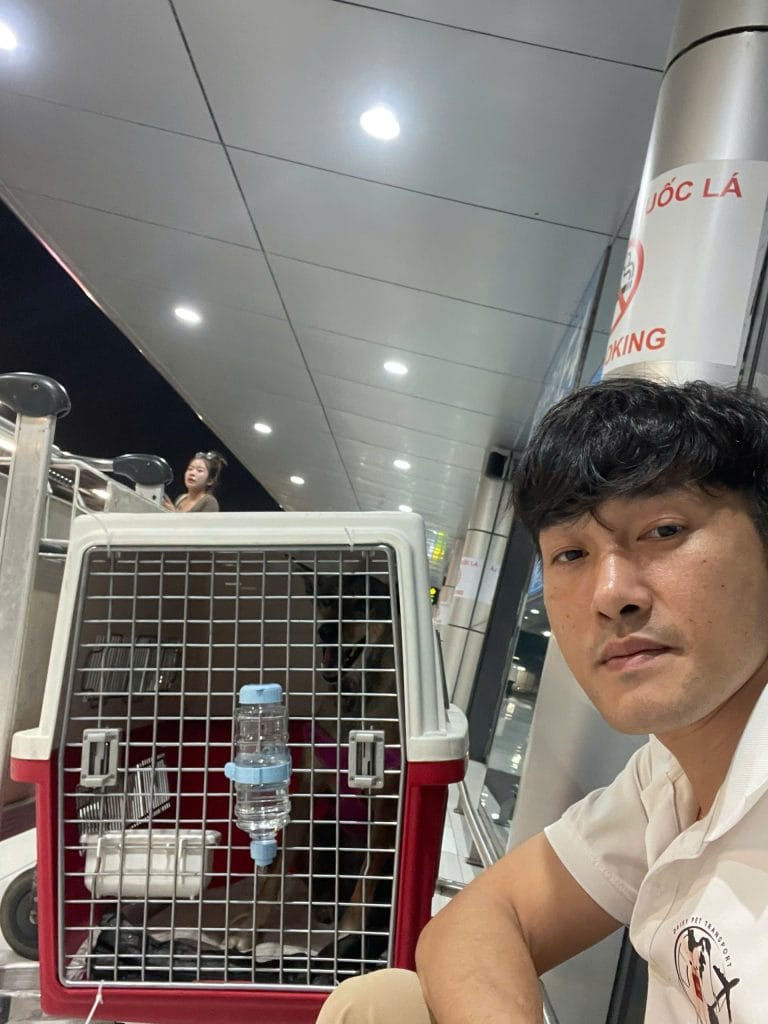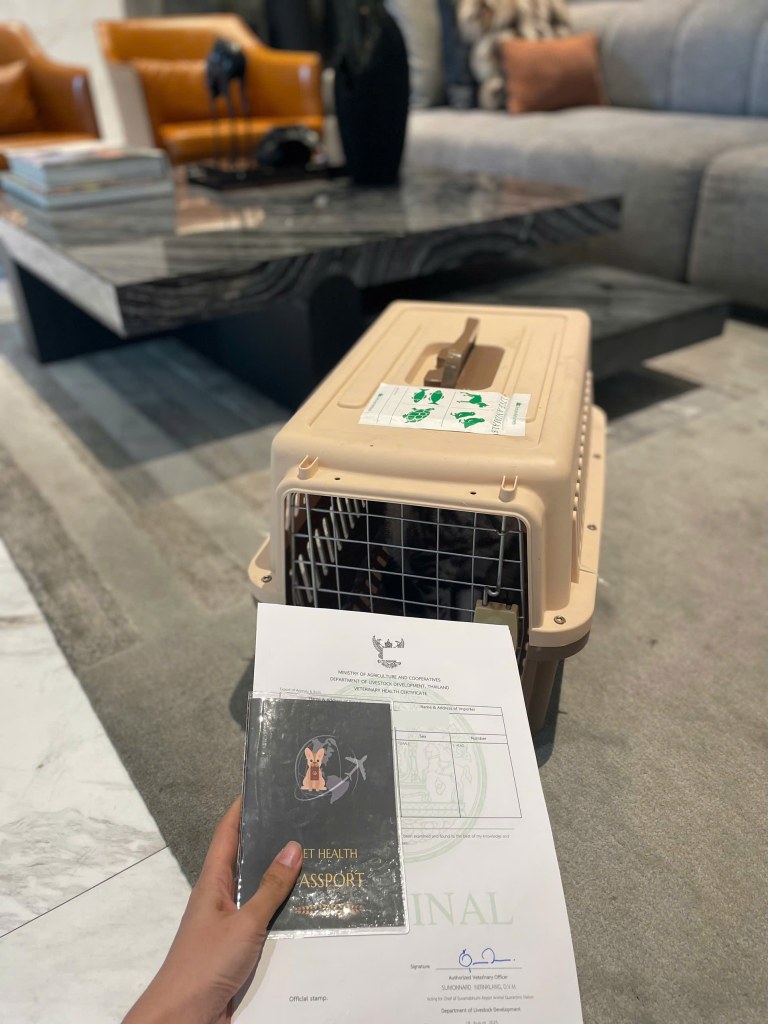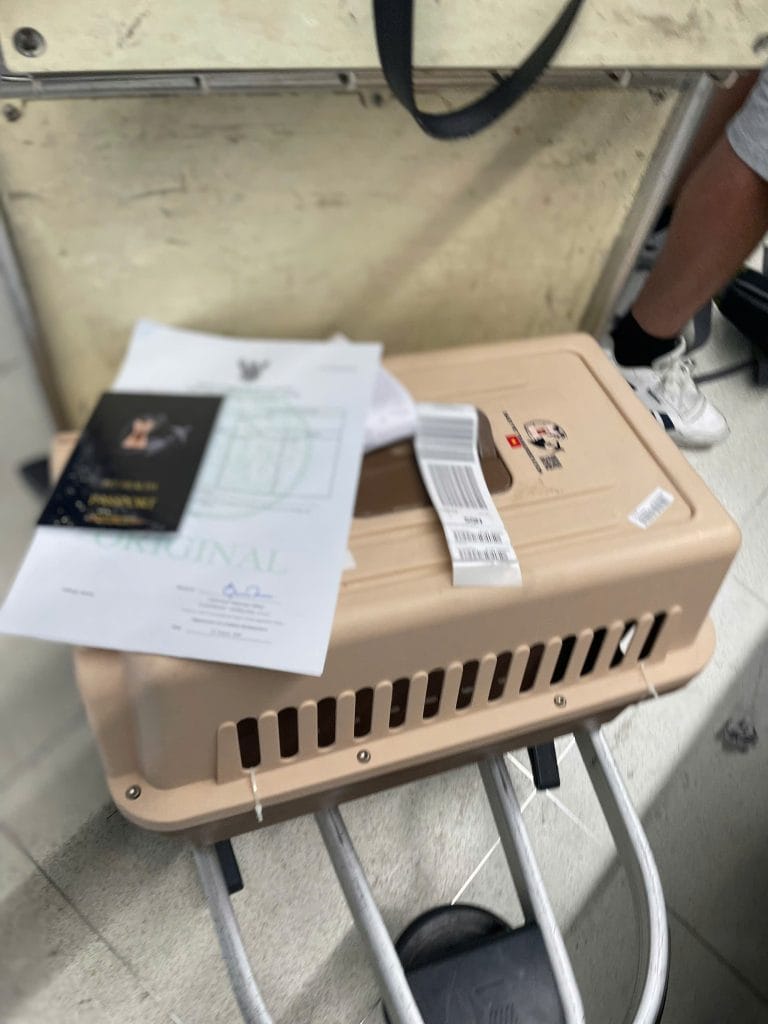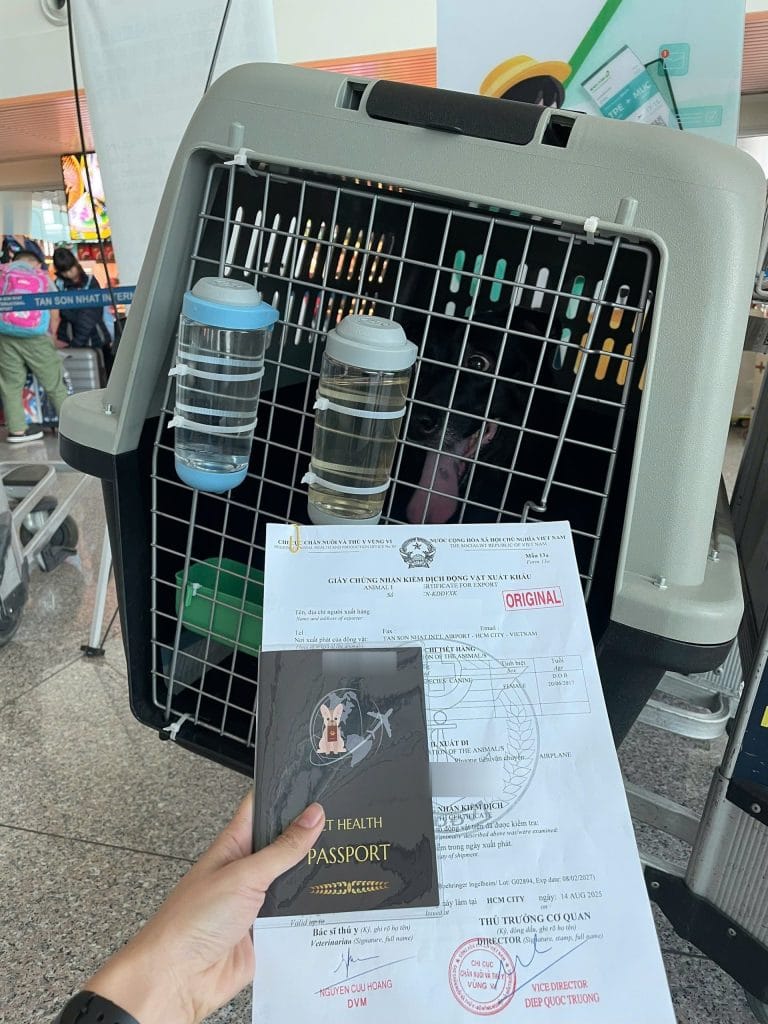
Shipping a pet isn’t like shipping a parcel through the post. A pet is a living animal, and moving one abroad falls under the oversight of several parties at once — the departure country, the destination country, the airline — each with its own rules that sometimes overlap and don’t always align. That’s why accurate, timely information matters so much. This article lays out how information actually flows during a smooth trip; if you want to know how we handle communication when something goes wrong, see What Happens If Something Goes Wrong During Pet Transport?
Our three communication channels, and what each one is for
In our workflow, each channel is responsible for one layer of information:
- Email (support@daisypettransport.com) — the official, legal channel: every quote, itemized cost, service contract, and document goes through email. Everything here is transparent and holds legal weight, including in the event of a dispute between parties.
- WhatsApp and phone — the fast-support channel: for short questions, quick status updates, or handling something urgent. That said, any important agreement settled over chat or a call still gets summarized and confirmed in writing by email afterward.
- Facebook, TikTok — the knowledge-sharing channel: for sharing knowledge and experience so people understand the pet transport industry better.
Choosing email as our official channel isn’t a step backward from modern technology — it’s a commitment to the information we provide, and it’s also the evidence that protects the legitimate interests of both us and you — the same interests spelled out in who bears responsibility when something goes wrong.
The quote request form: the foundation of every smooth journey
Many clients message us with a question as ordinary as any online shopping inquiry: “How much does it cost to ship a dog from Vietnam to the US?”
That’s a question we genuinely can’t answer accurately in a few messages. The shipping cost depends on the destination country’s requirements — in this case, the US requires the dog to be over six months old, vaccinated against rabies, with a rabies antibody titer test result of at least 0.5 IU/mL. One short rule like that creates a large amount of work behind it: we need to know the pet’s age, vaccination status, whether a microchip is already implanted, whether it was implanted before or after the rabies vaccine, whether a titer test has been done, and whether it was run at a lab actually recognized by the US CDC.
Next comes the owner’s own travel plan: are you flying with your pet, or sending it separately? When do you plan to fly? Which airline? Where’s the transit point?
None of this is a wasted question designed to eat up your time — it’s exactly the information we need to build an accurate shipping plan and quote. That’s why, at Daisy Pet Transport, every journey starts with filling out a quote request form.
Communication during your pet’s flight journey
Case 1: your pet flies with you (in-cabin / checked baggage)
In this case, progress updates go out by email at each completed milestone: microchip confirmed, rabies vaccination done, export/import permits secured, and pre-flight health check completed. We can also send quick updates over WhatsApp if you’d like — but everything still gets emailed to you regardless.
Case 2: your pet flies independently (manifest cargo)
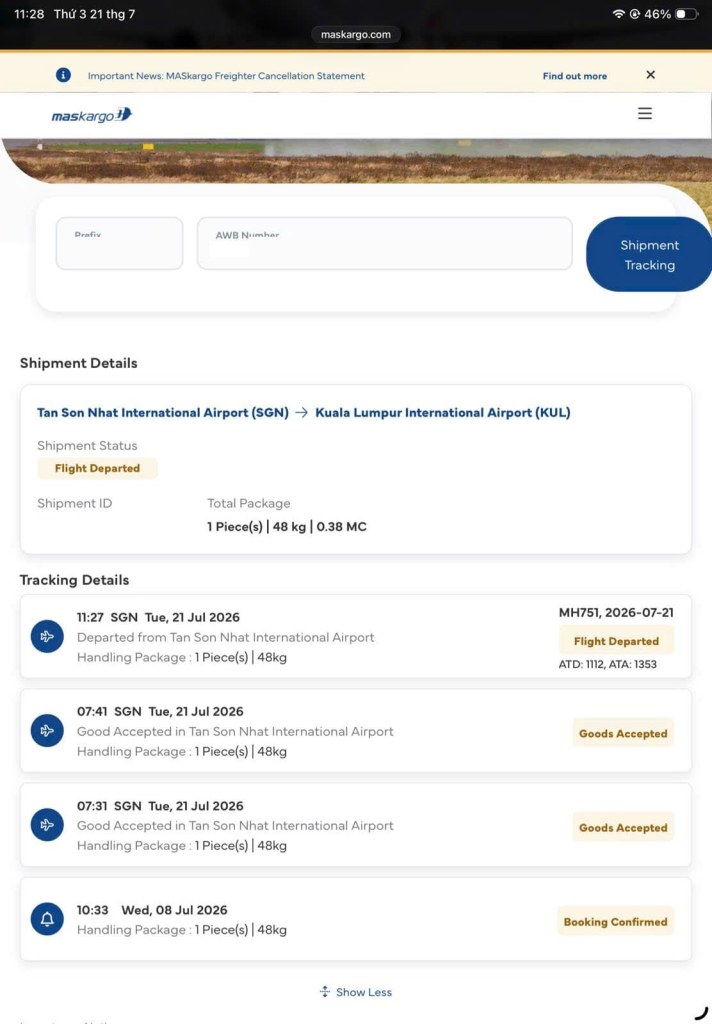
Updates flow the same way as Case 1. The difference is that from the moment your pet is handed over to the airline, you gain an additional, independent tracking channel from the airline itself — a Cargo Tracking system (the name varies by airline) that lets you check on your pet’s status at any time.
This is a real airway bill tracking record from MASkargo (Malaysia Airlines Cargo) for a Golden Retriever we shipped from Saigon to Kuala Lumpur on flight MH751 — read the full Dou Dou case study for the details. The airline’s own system logs the exact moment the booking is confirmed, the animal is received at the airport, and the flight departs. One thing to note: this isn’t a real-time GPS dot — it’s the airline’s own operational log, and we don’t have the authority to access or edit it.
Communication after your pet’s flight
For countries that require a mandatory quarantine stay on arrival (such as Australia, Malaysia, Singapore), our team proactively and continuously follows up with the facility for information, photos, and video of your pet. How often you receive images depends on that specific facility’s own quarantine rules, since visiting hours and outside contact vary a great deal by country.
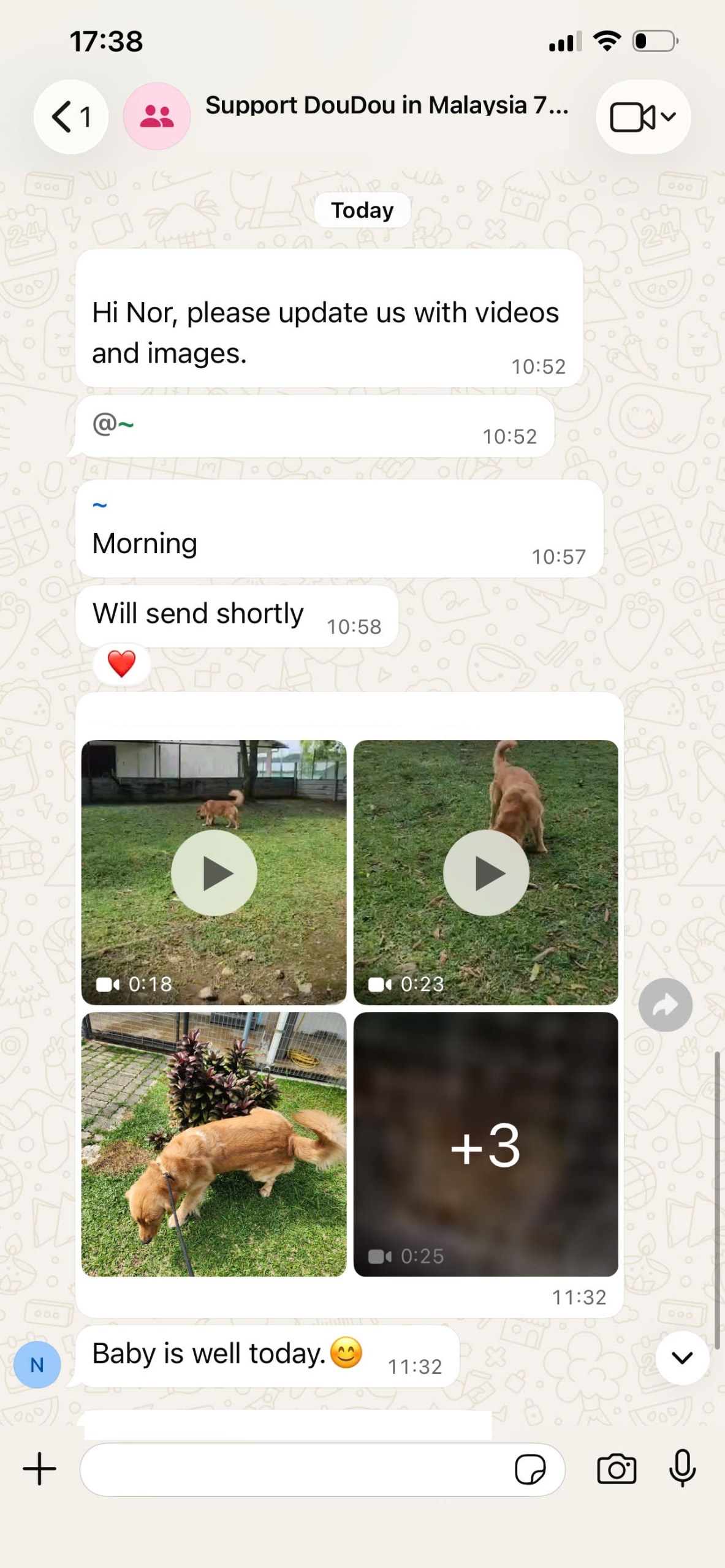
The exchange above is from that same Malaysia shipment: we reached out to the quarantine facility for a feeding video, and staff responded the same day. Any photo or video is only used with the owner’s consent. Your personal information, flight itinerary, and file details are all kept strictly confidential — in line with the written commitments in Daisy Pet Transport’s working standards.
The reason behind our careful communication
We value every message and every comment from a client — whether you’re simply watching a video on social media, someone researching the process, or a client who has already used, or is currently using, our service.
Every piece of information we give a client is prepared with the highest level of care and accuracy, drawing on our own knowledge and experience — because we understand that in international pet transport, one small mistake can cause serious losses in money, time, and the pet’s own safety.
To keep that accuracy intact for every client, we always work within a clear response window: a quote goes out within 24 to 72 hours of receiving a completed quote request form. That window is the time we need to verify the case against the current rules of every party involved — departure country, destination country, airline — while also confirming pricing at the moment of quoting, to avoid errors and revisions later. That same discipline — putting commitments in writing rather than only saying them — is the standard behind the promises we won’t make.
Last updated 20 Oct 2026
Compiled by our specialists from the regulations in force on the date above, for reference only. Rules may change after this date. Please verify with the competent authorities or contact us for the most accurate information.