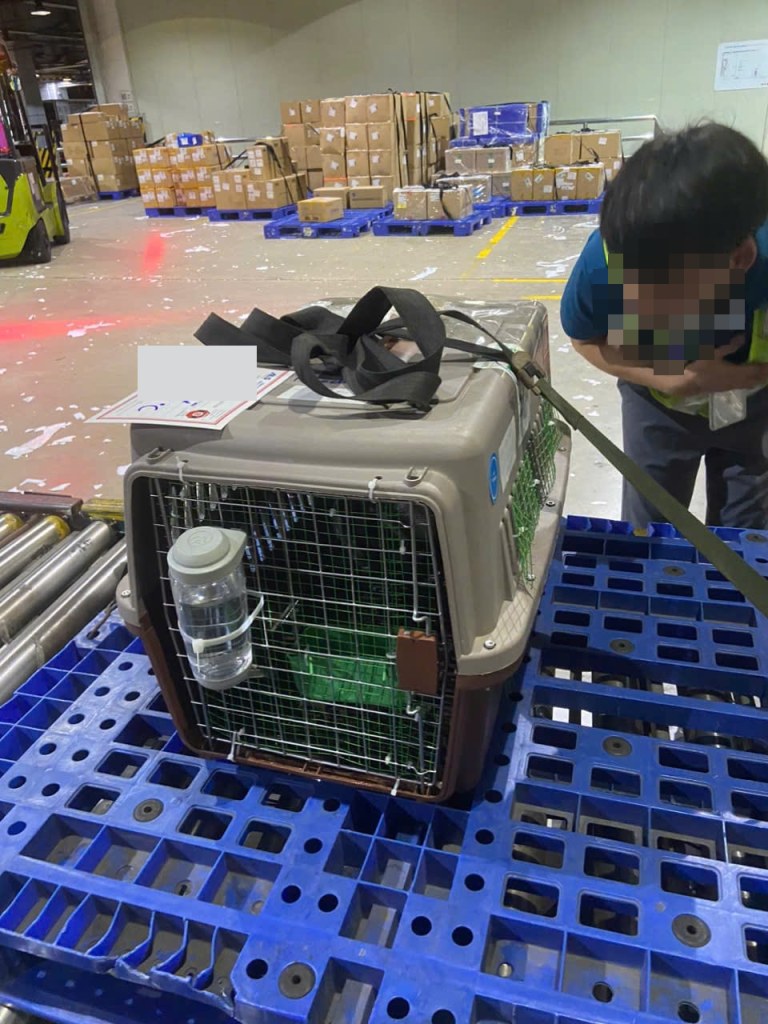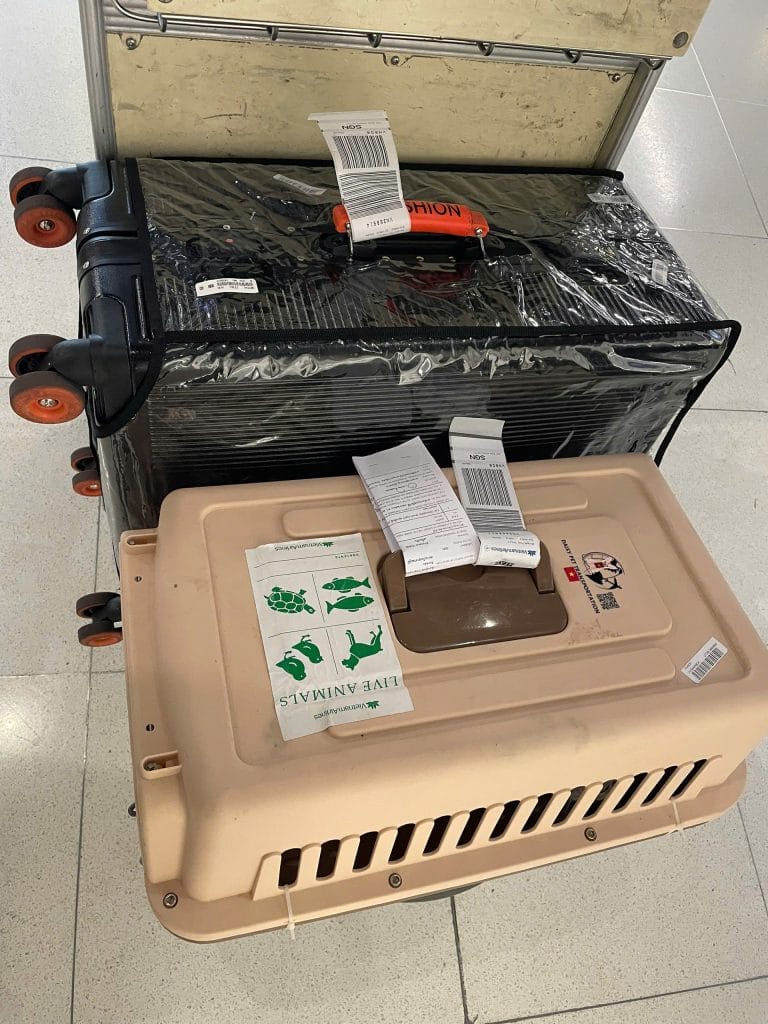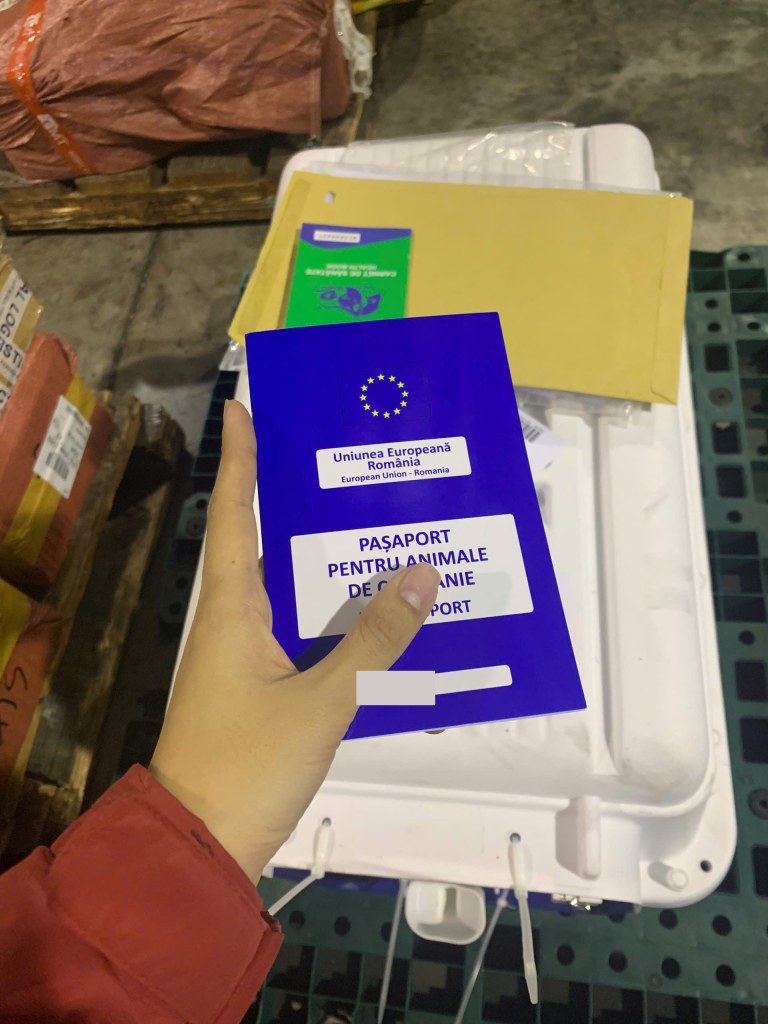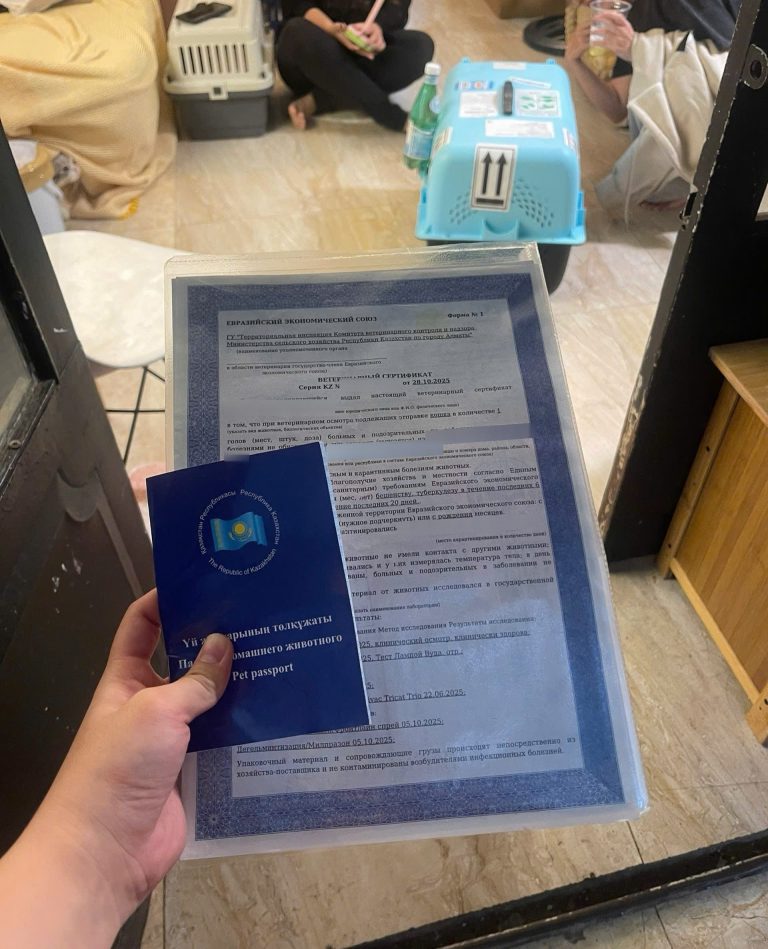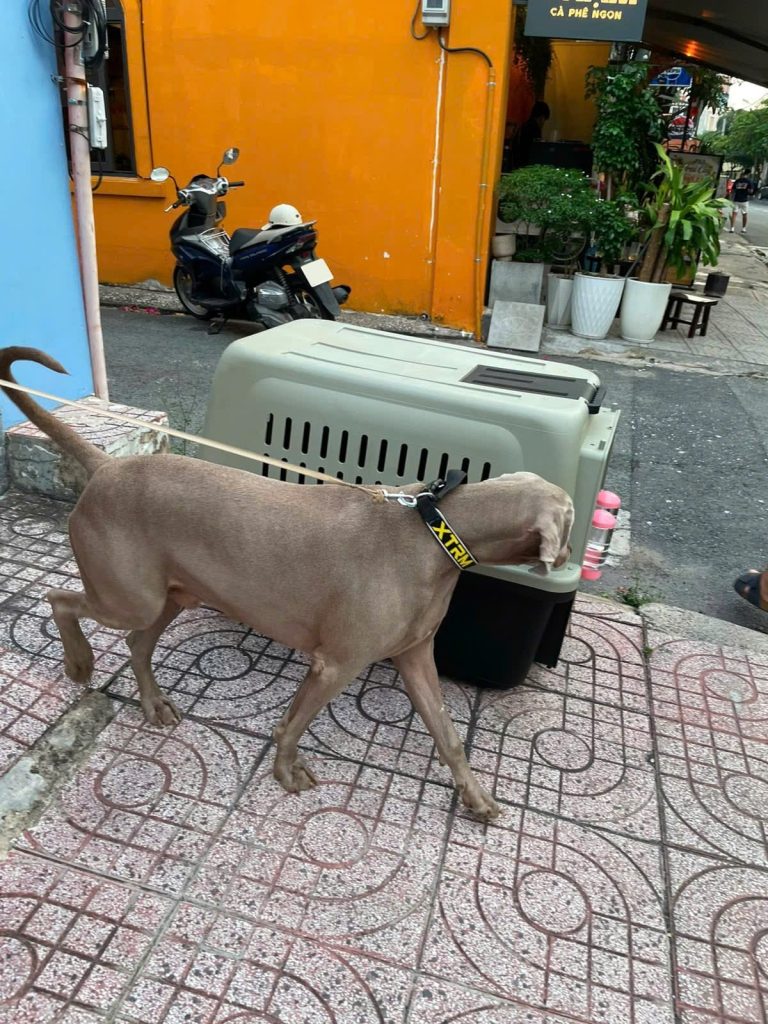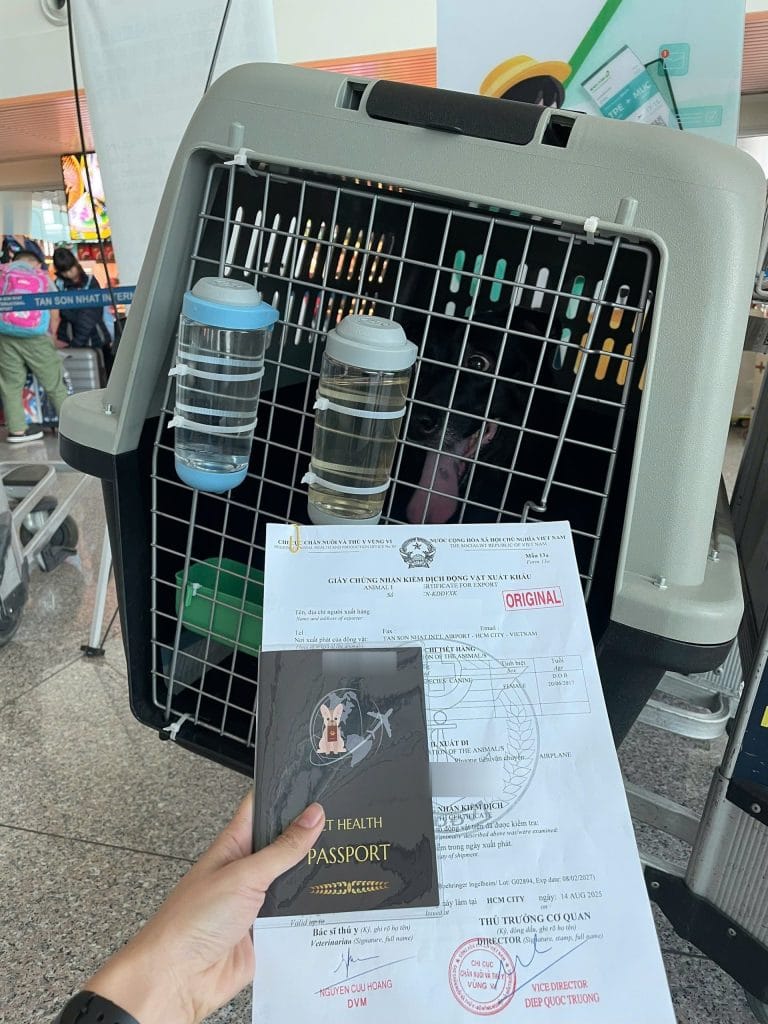
The EU has some of the most complex pet import rules in the world — not because the individual requirements are unusual, but because the sequence and timing are unforgiving. A microchip implanted one day after the rabies vaccination resets the entire clock. A titer test drawn two weeks too early produces an invalid result. A 6-day gap between owner and pet flights can reclassify a personal move as a commercial shipment.
These are the questions we hear most often from pet owners planning a move from Vietnam to Europe. For the full regulatory breakdown, see the EU Pet Import Laws 2026 guide. For cost estimates, see our Pet Relocation Cost to Europe guide.
General Requirements
What documents does my pet need to enter the EU from Vietnam?
For non-commercial movement (personal pet, not for sale), your pet needs four things, all correctly timed:
- ISO 11784/11785 microchip — implanted before or on the same day as the first rabies vaccination.
- Rabies vaccination — administered after the microchip, pet must be at least 12 weeks old. Valid 21 days after the shot.
- RNATT titer test result — blood drawn at least 30 days after vaccination, result ≥ 0.5 IU/ml, performed by an EU-approved laboratory. A 90-day waiting period then begins from the blood draw date.
- EU Animal Health Certificate — issued by an official Vietnamese veterinarian and endorsed by the Department of Animal Health (Cục Thú y). Valid for 10 days from issue date. Must be accompanied by a written declaration stating the movement is non-commercial.
Dogs traveling to Finland, Ireland, Malta, or Norway also need an Echinococcus tapeworm treatment 24–120 hours before arrival. Cats are exempt from this.
How long does it take to prepare a pet for EU entry from Vietnam?
About 4 to 5 months from the rabies vaccination — significantly longer than most guides suggest. The 90 days between the RNATT blood draw and the health certificate are fixed and cannot be shortened. If the titer test fails, the clock resets, adding another 3 to 5 months. See the complete EU pet shipping timeline for the step-by-step roadmap.
Is Vietnam considered a high-risk country by the EU?
Yes. Vietnam is an “unlisted third country” under EU rules (Commission Delegated Regulation (EU) 2026/131) — meaning it does not appear on the EU’s list of countries exempt from the titer test. This triggers the strictest tier of requirements: mandatory RNATT titer test and mandatory 90-day waiting period. There are no exemptions for vaccinated pets from unlisted countries.
The RNATT Titer Test
Where do I get the RNATT titer test done if there’s no approved lab in Vietnam?
There are no EU-approved titer test laboratories in Vietnam. The process works like this: an authorized veterinarian in Vietnam draws the blood, prepares it as serum, and ships it in temperature-controlled packaging to a laboratory on the EU’s designated list. Round-trip shipping and lab processing typically takes 4 to 8 weeks. Factor this into your timeline planning.
How is the 90-day wait counted?
From the blood draw date — the date the blood was collected from the pet, as documented on the lab report, not the date you receive the result — to the date the health certificate is issued. EU rules require the sample to be taken at least 90 days before the certificate is issued. If the blood was drawn on 1 April, the certificate can be issued no earlier than 30 June, and the flight follows within the certificate’s 10-day validity.
What happens if the titer test result is below 0.5 IU/ml?
The test is invalid. You must: (1) revaccinate the pet, (2) wait at least 30 days, (3) draw a new blood sample and ship to an EU lab, (4) restart the 90-day waiting period from the new blood draw date. This adds approximately 3 to 5 months. The existing vaccination history is not discarded — but the blood draw must be repeated after a valid vaccination is current.
Once the titer test passes, does it ever expire?
The result itself does not expire — as long as the rabies vaccination is kept continuously current with on-time boosters. If the vaccination lapses (even by one day), the titer test result loses its standing and the entire protocol must restart. Do not let the rabies vaccine expire after a successful titer result.
Health Certificates & Documents
My pet has an EU Pet Passport. Does that skip the health certificate process?
No. The EU Pet Passport can only be issued inside the EU by authorized EU veterinarians. A Vietnamese vet cannot issue one. Even if you somehow obtained one, it does not replace the EU Animal Health Certificate required for initial entry from a non-EU country. The passport is useful for subsequent intra-EU travel after your pet is legally in Europe — not for the entry itself.
The health certificate is only valid for 10 days. How do I time this with the 90-day wait?
The health certificate must be issued within 10 days of the EU entry date — not 10 days before the 90-day period ends. The sequence: confirm the date 90 days after the blood draw → book flights → have the health certificate issued no earlier than that date and no more than 10 days before the EU entry check. This requires tight coordination between the veterinarian, Cục Thú y, and cargo logistics.
Does the EU require photographs of my pet?
No. Unlike the US CDC rules (which require photos for dogs), the EU does not require photographs as part of the documentation package. Microchip number on the health certificate is the primary identity verification method.
Quarantine & Border Entry
Will my pet be quarantined when it arrives in the EU?
The EU does not operate a systematic quarantine system like Japan or Australia. If documentation is complete and correct — valid titer result, completed 90-day wait, current health certificate — your pet is cleared at the Travellers’ Point of Entry (TPOE) and can go home the same day. Incomplete documentation may result in temporary detention while issues are resolved, with costs borne by the owner.
What is a Travellers’ Point of Entry (TPOE) and which airports qualify?
A TPOE is a designated airport, port, or border crossing where pets from non-EU countries must be inspected upon arrival. Not every EU airport is a TPOE. For Vietnam–Europe flights, the most common TPOE arrival airports are Frankfurt (FRA), Amsterdam (AMS), Paris CDG, and Helsinki (HEL). Always confirm the TPOE status of your destination airport before booking — if your pet arrives at a non-designated airport, entry will be refused.
The 5-Day Rule
What is the EU’s 5-day rule for owner and pet travel?
For a pet movement to qualify as “non-commercial” (personal pet, not for sale), the pet must arrive within 5 days before or after the owner’s own travel date. If the gap is more than 5 days, the movement no longer counts as non-commercial and falls under commercial rules, which are considerably more complex. See our dedicated guide on the EU 5-day owner-pet travel rule.
Airlines & Logistics
Which airlines accept pets from Vietnam to Europe?
Vietnam Airlines and Air France fly nonstop between Vietnam and Paris, and Vietnam Airlines accepts pets in the cabin (up to 6 kg including the carrier) or as checked baggage (up to 32 kg) on its Europe routes, subject to its breed list and weather limits. Larger pets, and pets travelling without their owner, go as Manifest Cargo, either on direct services or through hubs such as Istanbul, Doha or Frankfurt. See our Airlines for Pet Transport to Europe guide for carrier-by-carrier details.
Can my large dog fly to Europe from Vietnam?
Yes — there is no weight limit for Manifest Cargo the way there is for cabin travel. The constraining factor is the IATA crate size. Each carrier and aircraft type has maximum crate dimensions. Very large crates (typically for dogs over 50kg) may limit route options to aircraft types that can accommodate them. Confirm dimensions with the cargo carrier before committing to a route.

Breed Restrictions
Are certain dog breeds banned from entering the EU?
There is no EU-wide breed ban. Breed-specific legislation is set at the national level and varies significantly. Germany bans the import of Pit Bull Terriers, American Staffordshire Terriers, Staffordshire Bull Terriers, and Bull Terriers at the federal level. France classifies powerful dogs into Category 1 (banned) and Category 2 (restricted with conditions). Denmark has one of the strictest breed ban lists in Europe. Research the specific laws of your destination country before beginning the vaccination and titer process — a banned breed cannot enter regardless of how complete the paperwork is.
Are there any breed restrictions for cats?
A few countries have them. The Netherlands has banned keeping fold-eared and hairless cats, such as the Scottish Fold and Sphynx, since 1 January 2026, apart from cats born and microchipped before that date. Cyprus admits Bengal and Savannah cats only from the fifth generation onward, and France asks for a pedigree from a recognised studbook, or a separate import permit, for Bengals and Savannahs. Otherwise the EU import process for cats matches dogs, minus the Echinococcus treatment. See the Netherlands breed rules.
Last updated 17 Oct 2026
Compiled by our specialists from the regulations in force on the date above, for reference only. Rules may change after this date. Please verify with the competent authorities or contact us for the most accurate information.