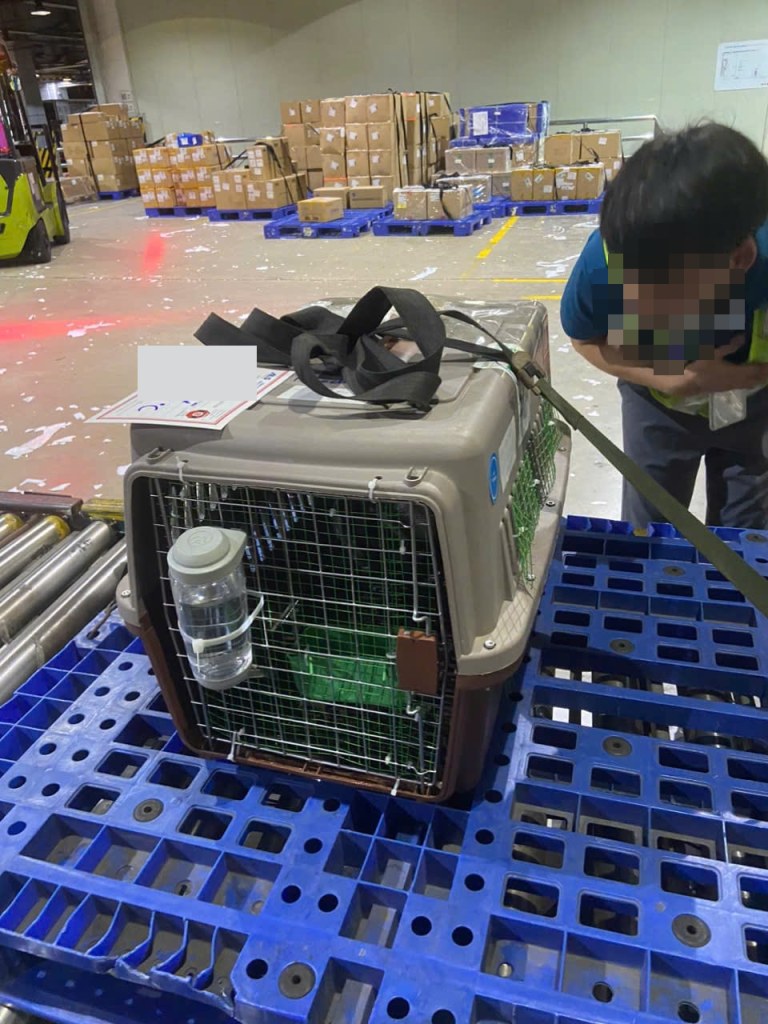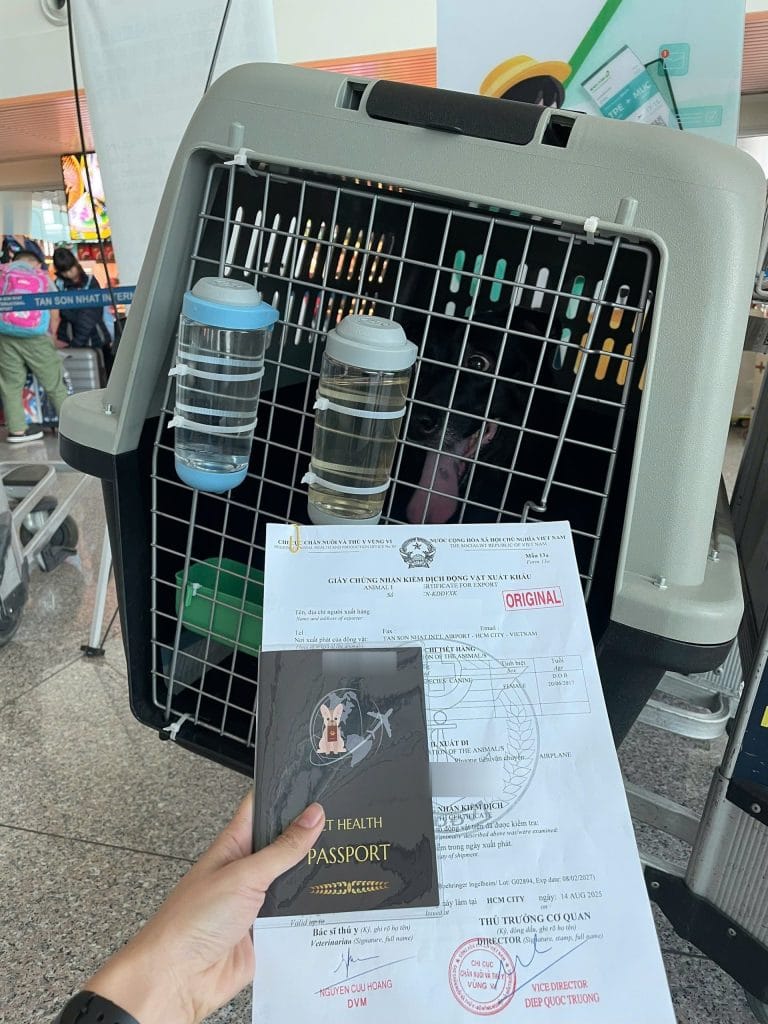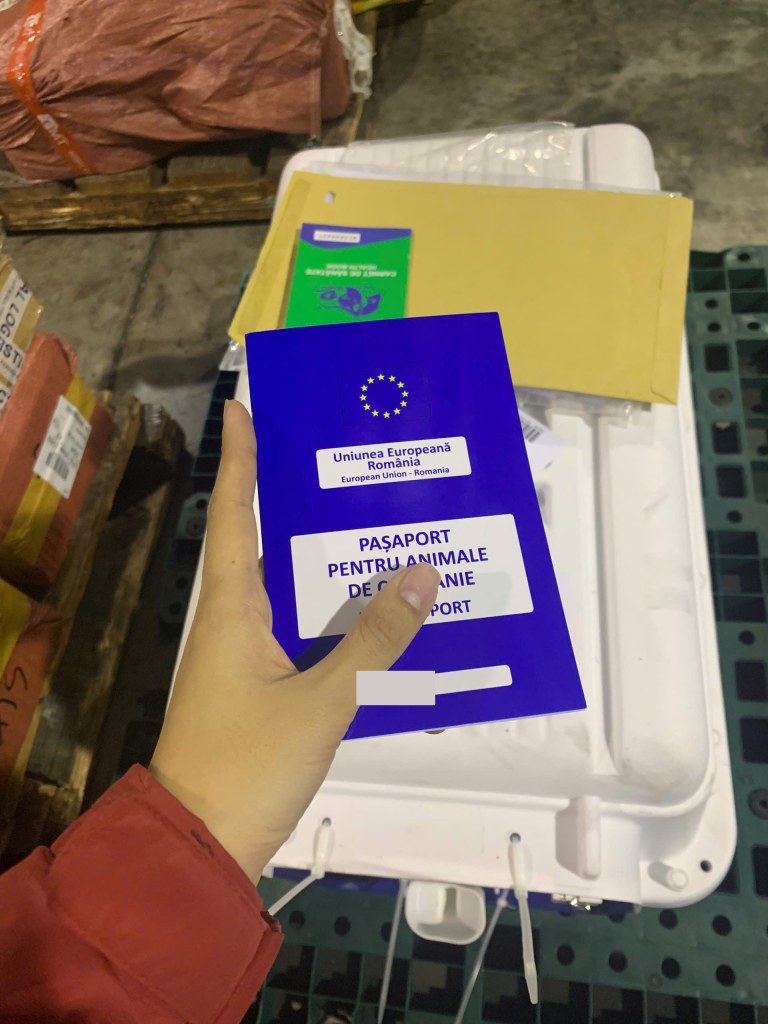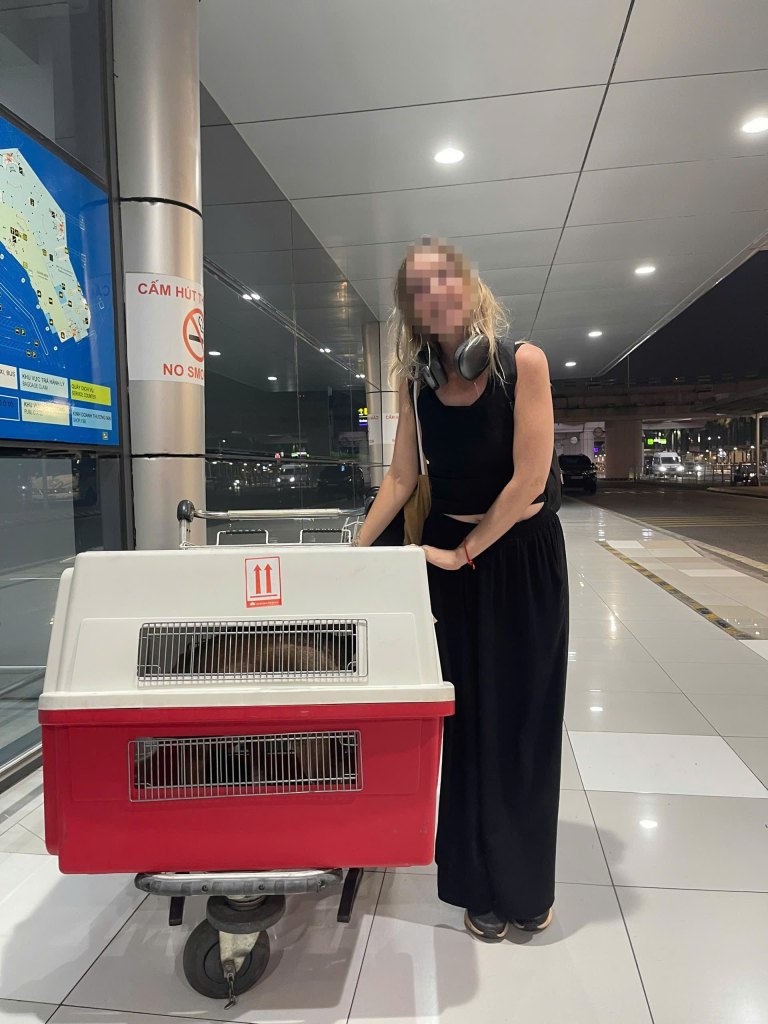
Most people moving to Europe with a pet assume the main challenge is the paperwork. The microchip, the rabies vaccination, the RNATT titer test, the 90-day wait — that’s what takes months, and that’s where most guides focus. But there’s a second compliance layer that catches people off guard, not because it’s complicated, but because it’s easy to overlook until the flights are already booked.
The EU’s 5-day rule governs when a pet and its owner can travel separately — and what happens if the gap between their travel dates exceeds that window. It doesn’t sound like much. In practice, one extra day of separation means the move no longer counts as non-commercial and falls under commercial rules, which are considerably more complex.
What the 5-Day Rule Actually Says
Under Commission Delegated Regulation (EU) 2026/131, which replaced Regulation 576/2013 from 22 April 2026, a pet movement qualifies as “non-commercial” when:
- The pet is traveling with its owner, or
- The pet is traveling with an authorized person, and the owner travels either within 5 days before or within 5 days after the pet’s travel.
That 5-day window is the entire rule. If the owner flies to Frankfurt on Monday and the dog arrives on Sunday — six days later — the movement no longer qualifies as non-commercial under EU law, regardless of intent. In one real case, two Pomeranian puppies named Fuji and Yuki flew home on the exact same connection as their owner.
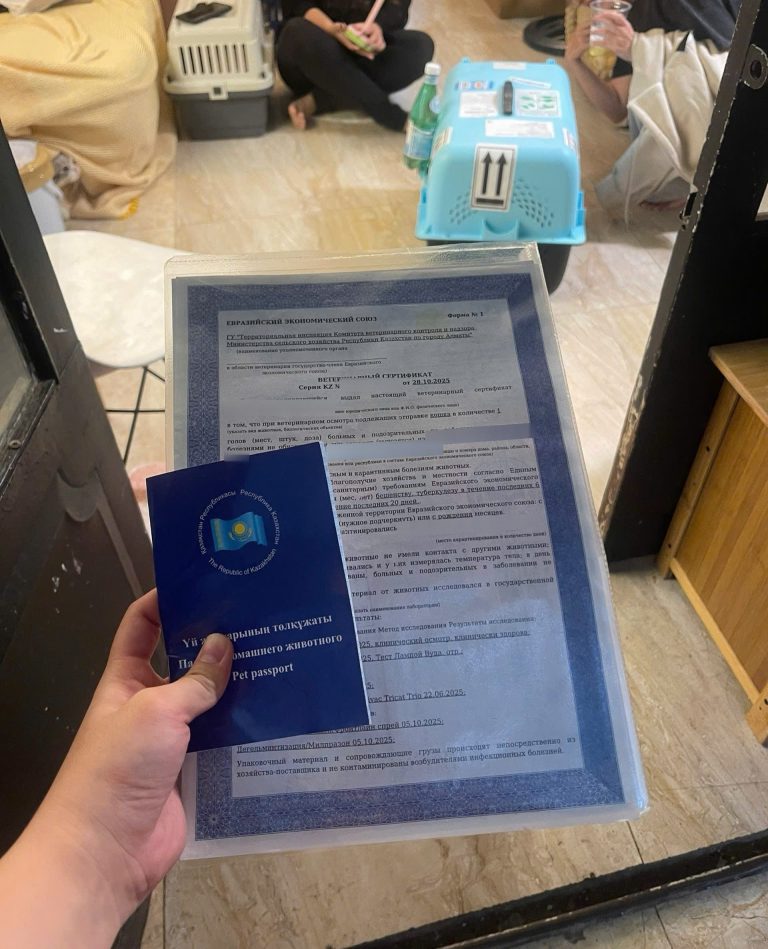
The written declaration signed by the owner or authorized person must explicitly confirm that this 5-day condition is met. It’s part of the documentation package submitted at the Travellers’ Point of Entry.
What Changes After the 5-Day Window
Once the gap goes past 5 days, the movement no longer counts as non-commercial and falls under commercial rules, which are considerably more complex. The simpler route this guide describes — health certificate, owner’s declaration and a check at a Travellers’ Point of Entry — only works while owner and pet stay inside the window, and it covers no more than 5 pets in one non-commercial movement.
Moving to the UK? No Commercial Fallback
Great Britain is outside the EU and applies its own 5-day rule. The difference that matters for a pet leaving Vietnam: UK import guidance does not allow commercial imports of dogs and cats from countries that are not on its listed-country list, and Vietnam is not on it. The owner, or a person the owner authorises in writing, must reach Great Britain within 5 days of the pet. Full requirements: UK Pet Import Requirements From Vietnam.
Why This Rule Exists — and Why Border Vets Enforce It Strictly
The 5-day rule exists to distinguish personal pet travel from commercial animal trade. The EU’s non-commercial pet movement framework — which allows streamlined entry at a Travellers’ Point of Entry with a health certificate — was never designed for commercial animal shipments. Commercial imports of dogs and cats follow a separate and considerably more complex set of rules.
In practice, EU border veterinarians are alert to situations that look like commercial trade disguised as personal travel. Common risk scenarios:
- Multiple pets arriving in a single shipment without the owner present
- Pets whose ownership is not clearly documented
- Owners who traveled significantly earlier and cannot demonstrate the 5-day connection
If a border vet suspects the 5-day condition isn’t met and the written declaration doesn’t support it, the pet may be refused non-commercial entry, held pending further documentation, or in serious cases, returned to the country of origin at the owner’s expense. It’s the same principle behind why paperwork alone isn’t always enough — some judgment calls still happen right at the border.
The Most Common Situations Where This Rule Applies
Scenario 1: Owner moves first, pet ships later via cargo
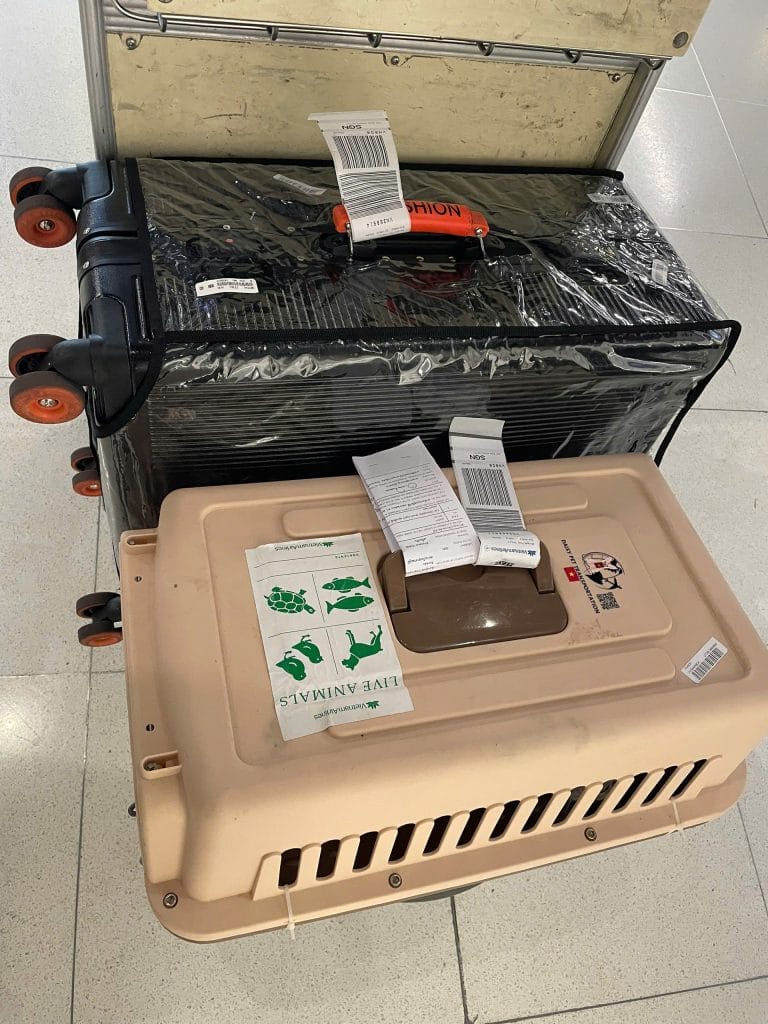
This is the most typical scenario for Vietnam-to-Europe relocations. The owner flies commercially to settle in, while the pet completes the RNATT process and ships as manifest cargo a few weeks later.
Under the 5-day rule: if the owner flies on Day 1, the pet must arrive by Day 6 at the latest (5 days after the owner’s departure). In practice, this is rarely achievable if the owner leaves before the pet’s paperwork is ready — cargo logistics, health certificate timing, and flight scheduling rarely align to a 5-day window.
The correct approach: Time the flights so the owner departs within 5 days of the pet’s confirmed cargo arrival date, not the other way around. The pet’s travel date is harder to move (cargo bookings, health certificate validity, 90-day RNATT timing). Plan the owner’s flight around the pet’s arrival window.
Scenario 2: Using an authorized person to accompany the pet
If the owner cannot physically travel with the pet, an authorized person, named by the owner in writing, can accompany the pet. This is expressly permitted under EU law. The key condition: the owner must travel independently within the 5-day window, and a signed written declaration must confirm this.
For this to work smoothly:
- The authorized person must carry the written declaration signed by the owner.
- The declaration must confirm the owner’s own travel date relative to the pet’s travel date.
- Both dates must fall within the 5-day window — verified at the EU entry point.
Scenario 3: Travel delays push the gap past 5 days
Flight disruptions — cancellations, rerouting, mechanical delays — can accidentally push a 4-day gap into a 6-day gap. This is an unplanned but real risk. If the pet’s cargo flight is rescheduled and the owner has already arrived, the 5-day clock may have expired.
There is no EU mechanism to “extend” the 5-day window for force majeure events. Border control applies the rule as written. Having documentation that clearly shows the original booking dates and the cause of delay may help at the discretion of the border vet, but it is not a guaranteed resolution.

What the Written Declaration Must Confirm
The written declaration (Part 1 of Annex V to Commission Implementing Regulation (EU) 2026/705, the current model) must be completed by the owner or authorized person and state:
- That the movement is non-commercial (the pet is not being transferred in ownership or sold).
- The owner’s travel date relative to the pet’s travel, confirming the 5-day window is satisfied.
- If an authorized person is transporting the pet: the owner’s name, the authorized person’s identity, and confirmation of the 5-day compliance.
This declaration is examined at the Travellers’ Point of Entry alongside the health certificate and microchip scan. Inconsistencies between the declaration and passport/booking records are flagged.
Practical Planning: How Daisy Pet Navigates the 5-Day Window
Managing the 5-day rule is one of the logistical coordination tasks that makes professional pet relocation services genuinely useful rather than just convenient. The sequence involves:
- Confirming the cargo booking date for the pet — the date the pet will actually arrive at the EU destination, not just depart Vietnam.
- Working backward from that arrival date to establish the 5-day window during which the owner must travel.
- Coordinating the owner’s flight to fall within that window — ideally 1–3 days before the pet’s arrival to allow the owner to receive the pet at the destination.
- Preparing the written declaration with the confirmed travel dates before departure.
When cargo delays occur, we work to rebook cargo flights and notify clients immediately so they can adjust their own travel if needed.
For the full picture of what EU entry requires — RNATT, health certificate, the 90-day wait — see our EU Pet Import Laws 2026 guide and the 4-to-5 month shipping timeline. For airline options on the Vietnam–Europe route, see our Airlines for Pet Transport to Europe guide. For pricing, see Pet Relocation Cost to Europe 2026.
Last updated 18 Oct 2026
Compiled by our specialists from the regulations in force on the date above, for reference only. Rules may change after this date. Please verify with the competent authorities or contact us for the most accurate information.