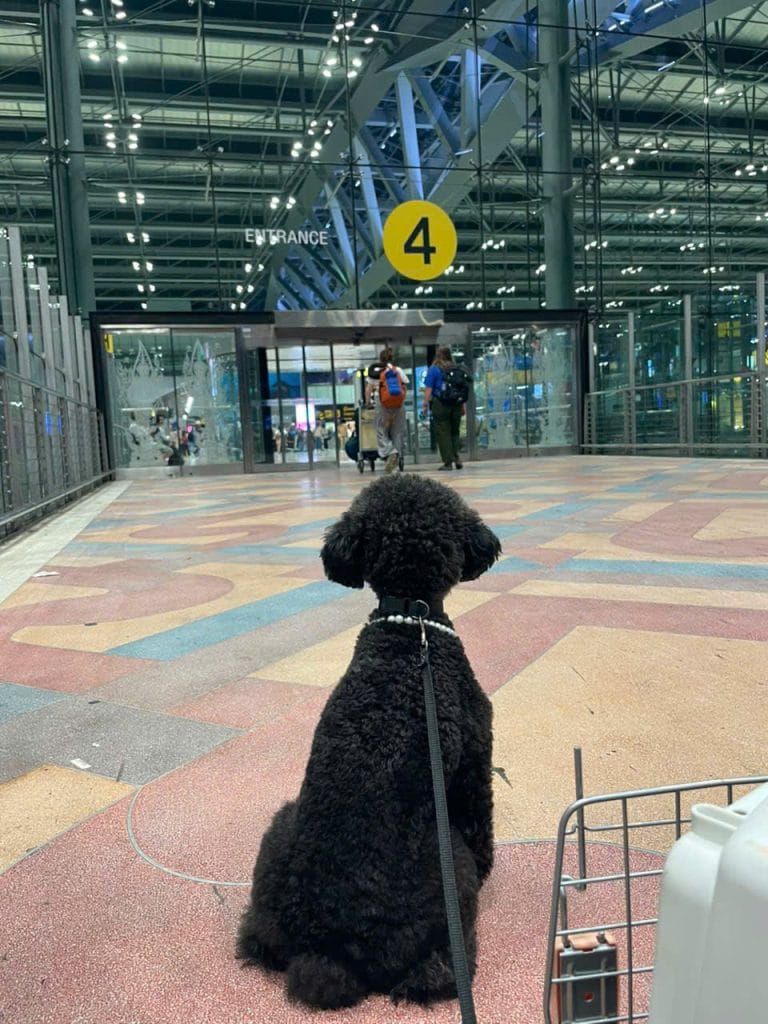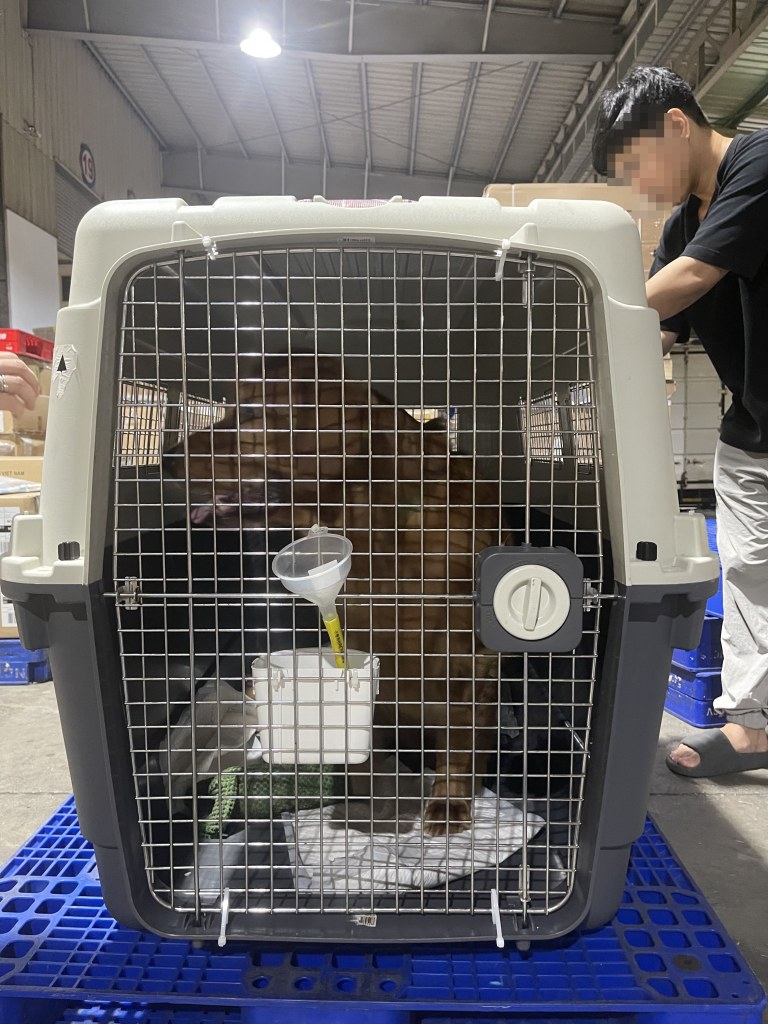
To move a dog or cat from Thailand to the UK, you meet three sets of rules: Thailand’s export rules, Great Britain’s import rules and the airline’s conditions. Great Britain does not list Thailand as an approved country, so your pet needs a rabies blood test and a three-month wait, about four months in all. Pets also enter only as manifest cargo, on an approved airline and airport.
Short answer: can you bring a pet from Thailand to the UK?
- Is it possible? Yes, with no quarantine when the paperwork and timing are right. A mistake can mean up to 4 months of quarantine, at your cost.
- Why does it take so long? Thailand is “not listed” by Great Britain. Your pet needs a rabies blood test, then a wait of 3 months from the day the blood is taken.
- Can the pet fly with me? No. Pets cannot fly in the cabin or as checked baggage into Great Britain. They fly as manifest cargo.
- How long from the start? About four months for a pet with no rabies vaccine yet. A pet with a valid earlier blood test can be ready much sooner.
- What does it cost? Freight, agents and vet work are quoted per case. At Heathrow, the animal reception centre alone charges £317 to £397 for one pet.
These rules are Great Britain’s: England, Scotland and Wales. Northern Ireland follows EU rules, covered in the FAQ below.
Check these before you start
Each point below can stop the move after you have paid for vet work.
- Banned dog types. Great Britain bans some dog types, including the Pit Bull Terrier, the Dogo Argentino and the XL Bully. A banned dog can enter only with a valid Certificate of Exemption. Our page on UK pet import rules explains how Britain’s system works.
- Airline limits. Each airline sets its own rules on breed, crate size and heat. Snub-nosed breeds such as Pugs, French Bulldogs and Persian cats have very few options out of Bangkok. See large and snub-nosed pets leaving Thailand.
- Your own travel dates. The pet must arrive within 5 days before or after you. You can also authorise another person in writing to travel instead of you.
- Who keeps the pet. A pet that will be sold, rehomed or given to a new owner falls under commercial rules. The same applies to more than 5 pets. This guide covers pets that you own and keep.
You also sign a declaration that you will not sell the pet or transfer its ownership (GOV.UK: bring your pet to Great Britain).
How can a pet fly from Thailand to the UK?
Great Britain accepts pets by air only as manifest cargo. The pet travels in the hold on its own air waybill, booked through a cargo agent rather than on your ticket. Only guide dogs, assistance dogs and pets on a private charter are exempt. Our guide to cabin, checked baggage and manifest cargo explains the difference.
GOV.UK publishes the airlines that may carry pets into each British airport. The last flight into Britain must be on that list, to the right airport (GOV.UK approved air routes, updated 23 October 2026).
Nonstop from Bangkok: Thai Airways to Heathrow
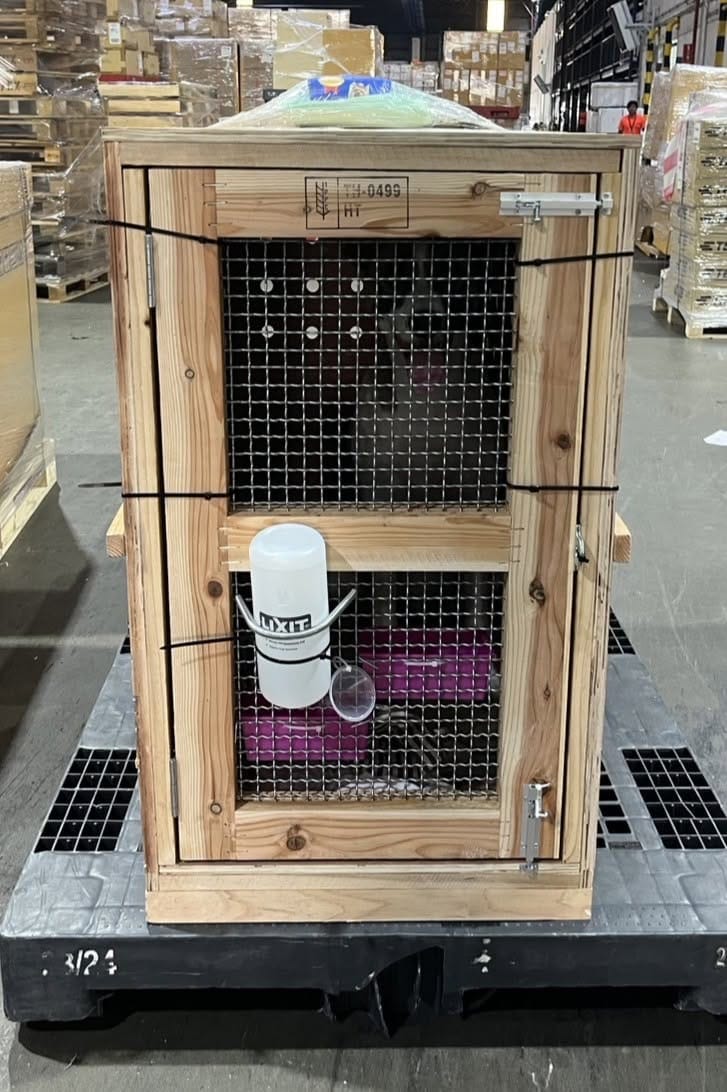
Thai Airways flies nonstop from Suvarnabhumi to London Heathrow. It is approved to carry pets in the hold, through the Heathrow Animal Reception Centre (HARC). THAI Cargo takes bookings only through its appointed agents. The agent delivers the crate to the cargo terminal between 24 and 6 hours before departure.
Thai Airways does not accept snub-nosed breeds, and it lists other dog breeds it refuses as checked baggage. Our Thai Airways pet policy guide has the breed list and limits.
With a connection: Dubai, Doha, Abu Dhabi or Istanbul
Other approved airlines fly from Bangkok through their hub. Emirates SkyCargo, Qatar Airways and Etihad Airways all reach Heathrow, Manchester and Edinburgh. Emirates SkyCargo also reaches Gatwick, Glasgow and Newcastle. Turkish Cargo reaches Heathrow and Gatwick.
At the hub, the pet stays in the same airline’s cargo system. Book the whole trip with one airline, because Qatar Airways, Turkish and Singapore Airlines refuse pets handed over from another airline. Our page on airlines that carry pets in Thailand covers connections and weight limits.
Bangkok is hot all year. Many airlines refuse pets when the ground temperature passes their limit. For this reason, most pet flights leave Bangkok at night or early in the morning.
8 steps to move a pet from Thailand to the UK (about four months)
Day 1 is the rabies vaccine. The earliest arrival day is 3 months after the blood sample, around day 120 for a pet starting from zero.
Step 1 (Day 1): microchip, then the rabies vaccine
Your vet implants an ISO microchip first, then gives the rabies vaccine on the same day or later. A chip implanted after the vaccine means the vaccine must be repeated. The pet must be at least 12 weeks old for the vaccine. The Thai quarantine station reads ISO and AVID chips only.
If your pet is already vaccinated, check that every booster was given on time. A late booster restarts the count.
Who does it: your vet in Thailand.
Step 2 (Day 31 or later): blood sample for the rabies titer test
Wait at least 30 days after the rabies vaccine. Your vet then takes a blood sample and sends it to a laboratory approved by the EU. The lab can be in Thailand or abroad. The result must show at least 0.5 IU/ml (GOV.UK: rabies blood tests).
Allow about three weeks for the result. The vet records the sample date on the health certificate later, so keep the original result.
Who does it: your vet takes the blood, and the lab tests it.
Step 3 (about three weeks later): the result and the three-month count
The 3 months count from the day the blood was taken, not from the result date. For example, a sample taken on 1 December allows arrival from 1 March.
The result stays valid as long as the rabies boosters are never late. A pet with an earlier blood test, for example from before it moved to Thailand, may not need a new one. GOV.UK also drops the wait for a pet that was vaccinated, tested and given a pet passport or Great Britain health certificate in the EU before it travelled.
Who does it: you check the dates with your vet.
Step 4 (during the wait): book the flight, the crate and a UK customs agent
Confirm with the airline that it accepts your pet’s breed and crate size on your route. The crate must meet IATA rules for live animals. Size it with our IATA crate size calculator, then let your pet get used to it.
Appoint a UK customs agent at the same time. HARC states that every owner needs one, even owners who arrange the trip themselves. The agent clears the pet through customs once the health papers are checked.
Who does it: a cargo agent in Thailand books the flight, and a UK customs agent handles the arrival.
Step 5 (at least 72 hours before departure): HARC document pre-check
For Heathrow, your agent sends copies of the documents to HARC at least 72 hours before the flight. HARC checks them in advance. A pre-checked pet pays £213 for boarding at HARC instead of £293.
Other British airports have their own animal reception centres. Each one sets its own checks and fees.
Who does it: your UK customs agent or pet transport agent.
Step 6 (1–5 days before the flight): tapeworm treatment, then the Thai export inspection
A vet treats your dog for tapeworm with praziquantel. The vet records the product, date and time on the Great Britain pet health certificate. The dog must arrive in Great Britain between 24 hours and 120 hours after the treatment (GOV.UK: tapeworm treatment). Cats skip this treatment.
The Bangkok station asks for this vet signature before you bring a dog for inspection. Plan the treatment so that the flight and any connection still land within the 120 hours.
You then take the pet and its documents to the Department of Livestock Development (DLD) quarantine station at the airport the pet leaves from. A DLD official vet examines the pet, signs the Great Britain pet health certificate and issues the export permit. Your pet must enter Great Britain within 10 days of the certificate date. Our guide to pet export from Thailand covers the application, opening hours and fees.
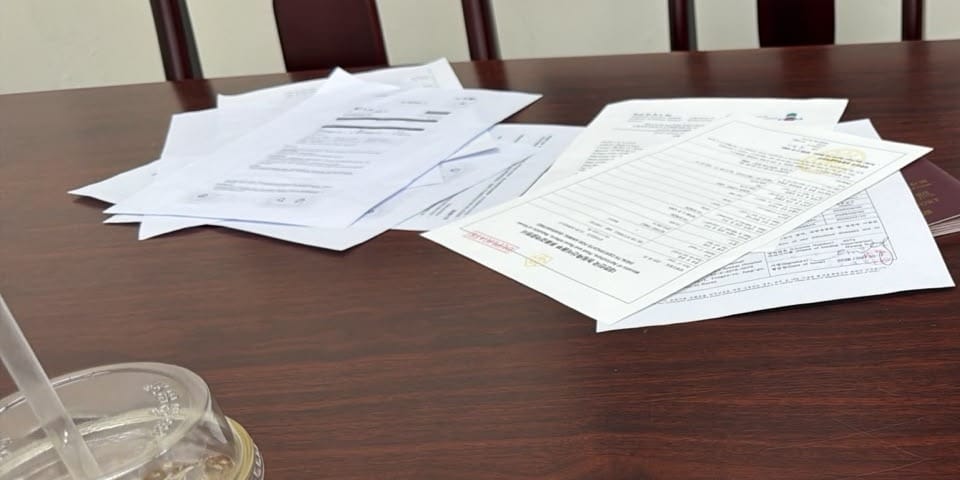
Who does it: your vet gives the tapeworm treatment, and a DLD official vet signs the certificate.
Step 7 (departure day): deliver the crate to the cargo terminal
The cargo agent delivers the crate and the original documents to the airline’s cargo terminal. The documents travel with the air waybill. You fly on your own ticket, within 5 days of the pet. Our article on how safe cargo travel is for pets explains what happens in the hold.
Who does it: the cargo agent in Thailand.
Step 8 (arrival day): checks, customs and collection
At Heathrow, HARC staff check the microchip and the documents. Your UK customs agent then clears the pet through customs. On average, pets are ready to collect 2 to 4 hours after landing (HARC: importing your dog, cat or ferret).
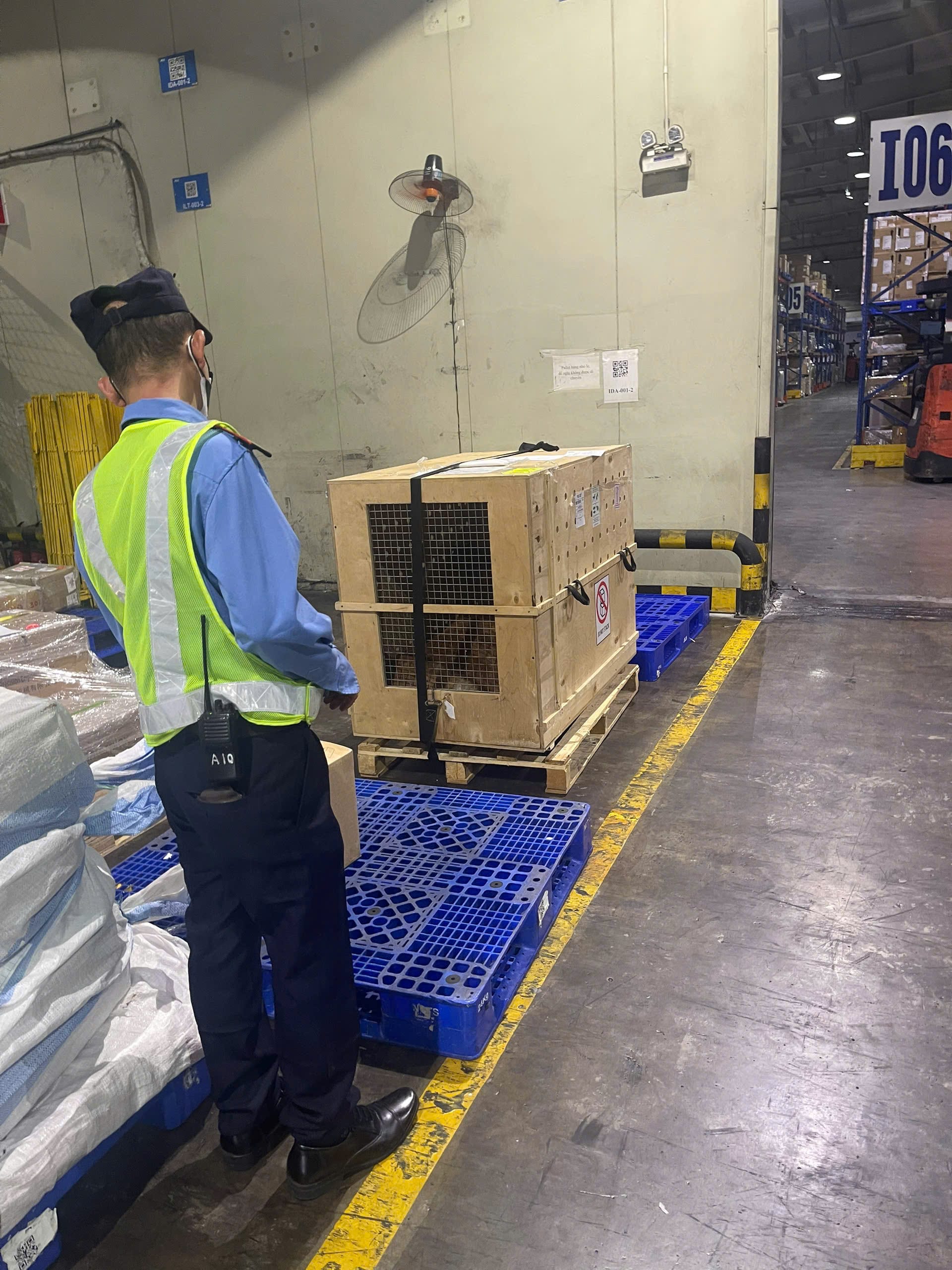
The person who collects the pet brings photo ID and the air waybill. Bring a lead and collar for a dog. If the documents are wrong, the pet can go into quarantine for up to 4 months or be sent back, at your cost.
Who does it: HARC, your UK customs agent, and you or the person you authorised.
What does it cost to ship a pet from Thailand to the UK?
There is no fixed price. The total depends on the pet’s size, the crate, the route and the season. Airlines price manifest cargo on the crate’s chargeable weight, which is the larger of its actual weight and its volume weight.
| Cost | Paid to | Amount |
|---|---|---|
| Microchip, rabies vaccine, vet visits, tapeworm treatment | Your vet in Thailand | Clinic prices |
| Rabies blood test | The laboratory, usually through your vet | Lab price |
| Export inspection, health certificate and export permit | DLD quarantine station | A small fee per pet, in baht, cash |
| IATA crate | Crate supplier | Depends on size |
| Air freight as manifest cargo | Airline, through the cargo agent | Quoted per case, by chargeable weight |
| UK customs clearance | UK customs agent | Quoted by the agent |
| Heathrow animal reception centre | HARC (City of London) | £104 to collect the pet from the aircraft, plus £213 boarding with a pre-check or £293 without; £55 for each extra pet |
| Door-to-door service | Your pet transport company | Quoted per case |
For one pet at Heathrow, HARC fees come to £317 with a pre-check or £397 without. These are HARC’s fees on its page updated 5 October 2026. Other airports charge their own fees.
FAQ: moving a pet from Thailand to the UK
Does my pet need quarantine in the UK when it comes from Thailand?
No, if the microchip, rabies vaccine, blood test, 3-month wait, tapeworm treatment and health certificate are all correct. If something is wrong, the pet can be quarantined for up to 4 months at the owner’s cost.
My pet had a rabies blood test before it came to Thailand. Does it still count?
Yes, if every rabies booster since then was given on time. The 3 months count from that earlier sample date, so the wait has usually passed. Bring the original result. Our page on the pet passport question in Thailand explains which earlier documents carry over.
Can my cat fly in the cabin from Bangkok to London?
No. Cats and dogs enter Great Britain as manifest cargo, whatever their size. Cats do not need the tapeworm treatment.
Can my pet land in Manchester or Edinburgh instead of Heathrow?
Yes, with an airline approved for that airport, usually through a Gulf hub. Heathrow, Gatwick, Manchester, Edinburgh, Glasgow and Newcastle each have approved routes.
What are the rules for Northern Ireland?
Northern Ireland follows EU rules, not Great Britain’s. The pet needs an EU animal health certificate, a blood test with a 3-month wait, and tapeworm treatment for dogs. If the pet arrives by air, you must notify DAERA at least 10 days before arrival (DAERA: travelling pets).
Can Daisy Pet arrange a move from Thailand to the UK?
Yes. Daisy Pet handles pets leaving Thailand through our partner agent in Thailand. A partner agent in the UK handles the arrival and customs clearance. Our Thailand pet relocation page covers moves in both directions.
Last updated 3 Nov 2026
Compiled by our specialists from the regulations in force on the date above, for reference only. Rules may change after this date. Please verify with the competent authorities or contact us for the most accurate information.
Official sources cited in this guide
- GOV.UK: bring your pet to Great Britaingov.uk
- HARC: importing your dog, cat or ferretcityoflondon.gov.uk
- DAERA: travelling petsdaera-ni.gov.uk