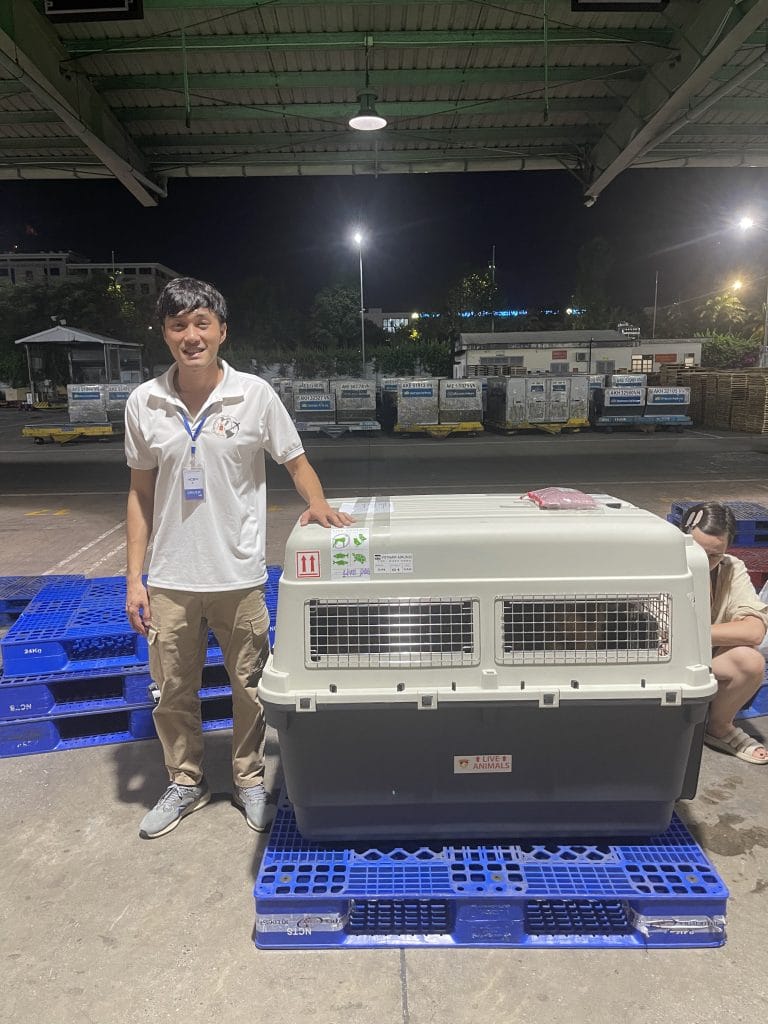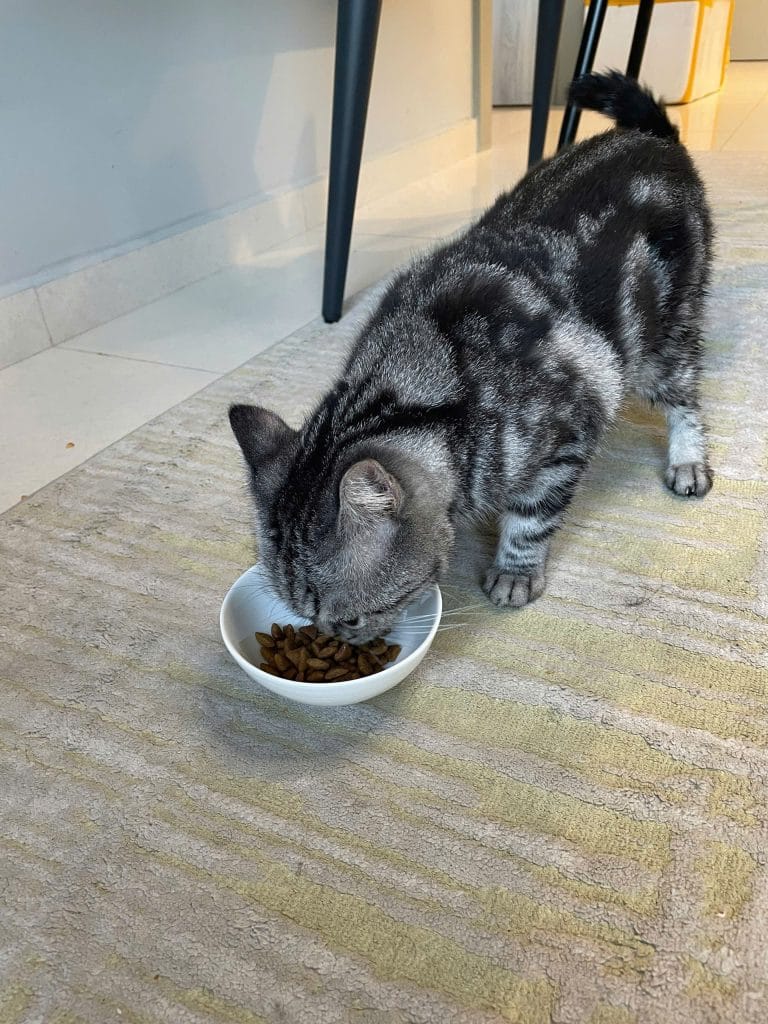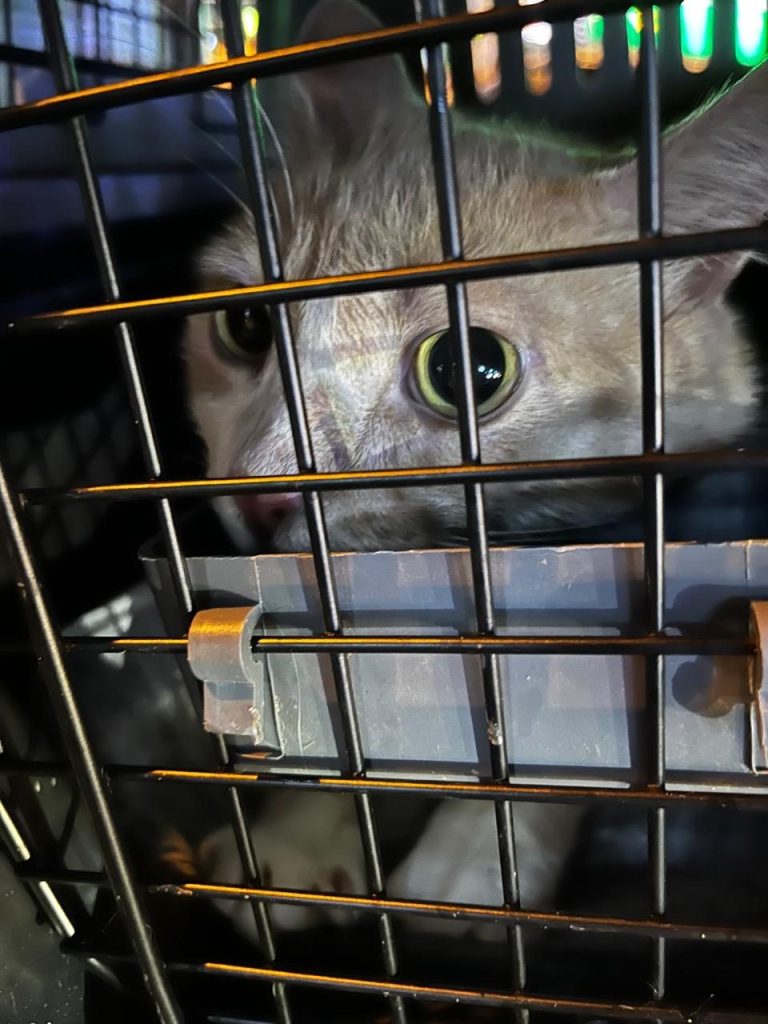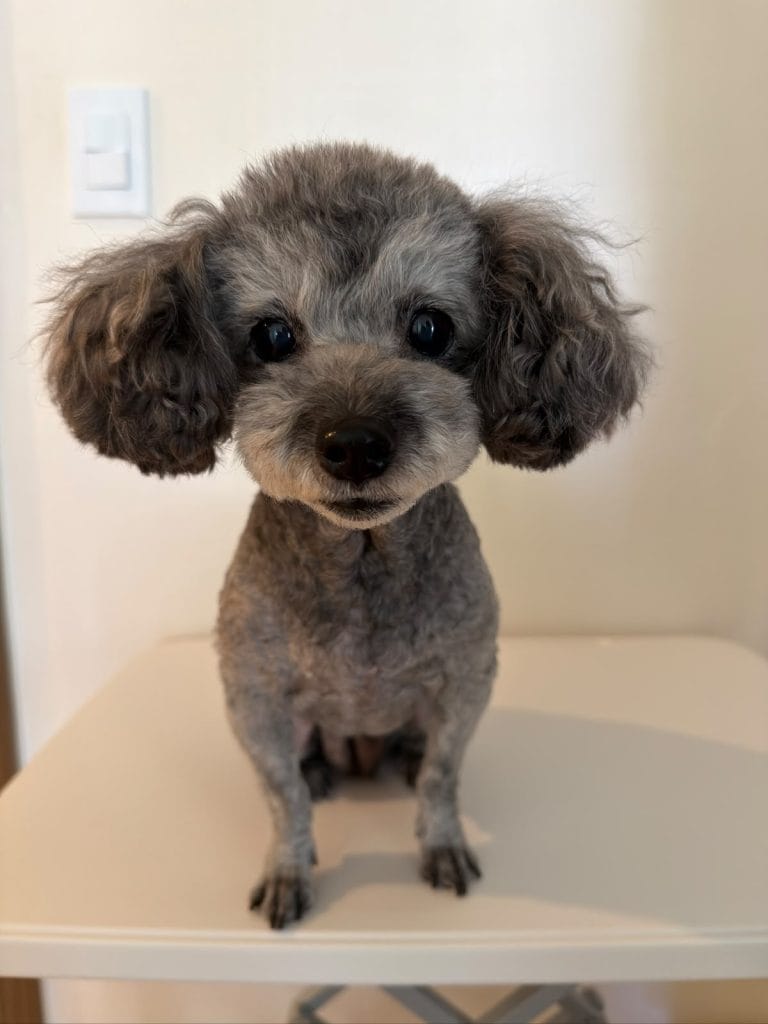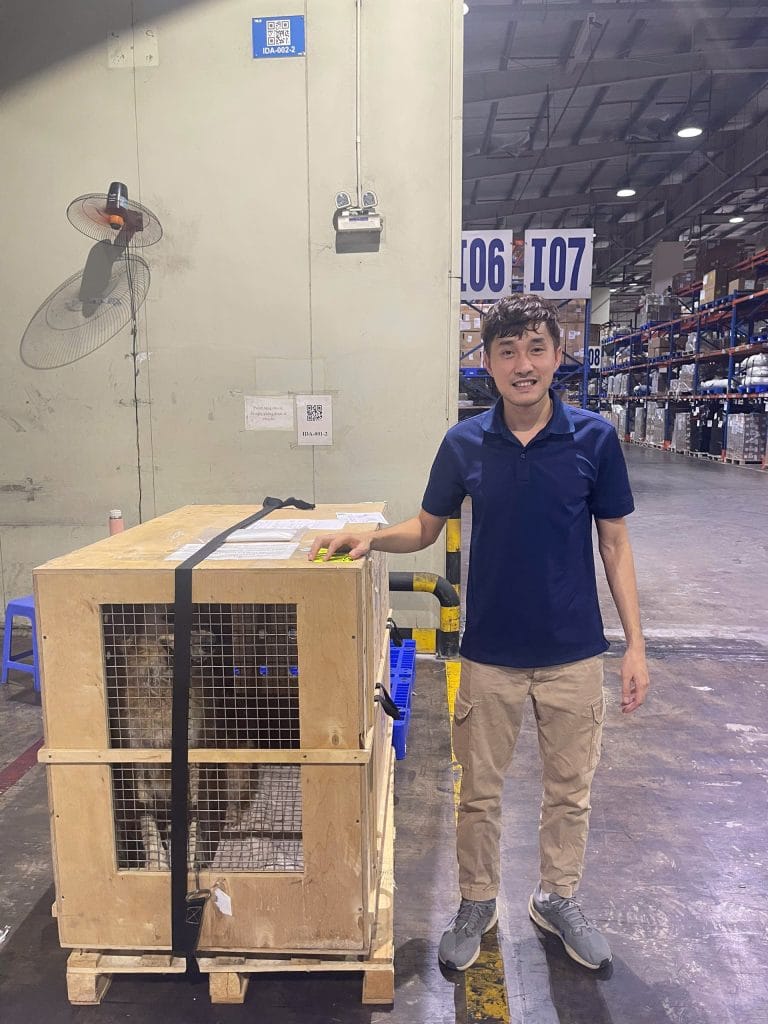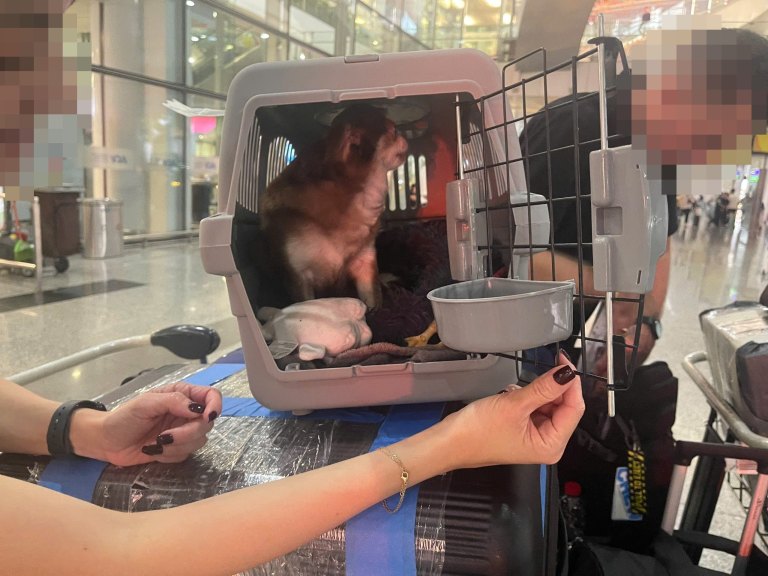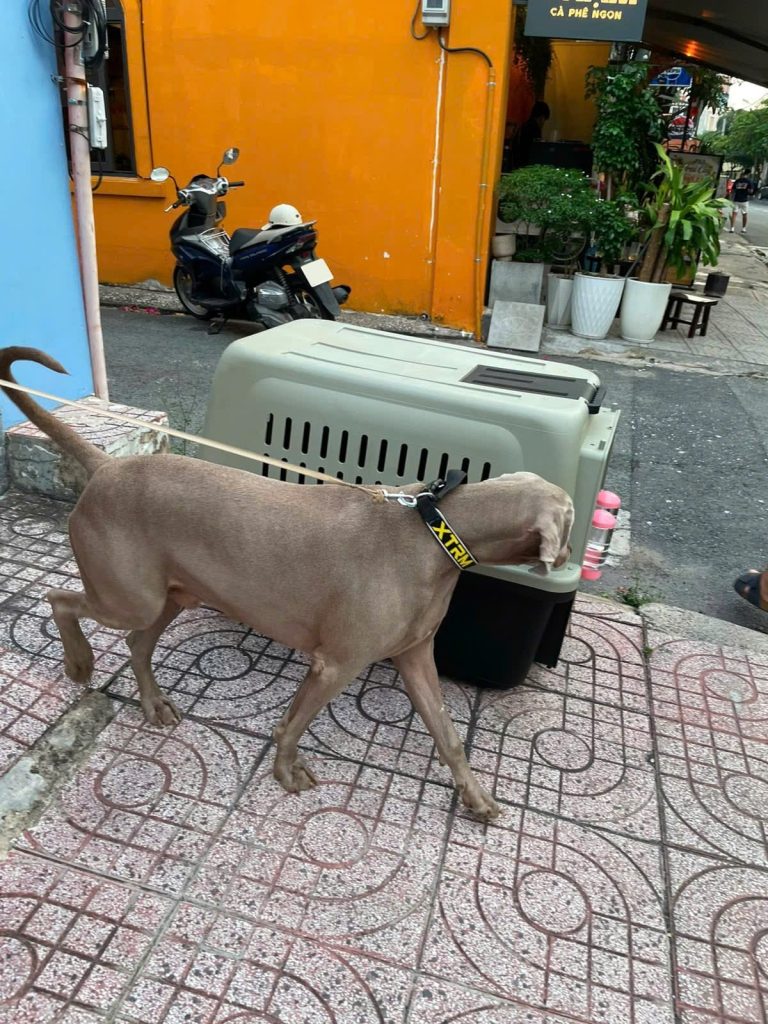
Most of the case studies in this series are about a pet whose journey starts or ends in Vietnam. Philip’s didn’t do either. In August 2026, this silver-grey Weimaraner spent eleven days in Ho Chi Minh City as one stop in a longer relocation that began in Uganda and finished in Poland — which meant Vietnam’s pet import rules applied to him in full, even though he was never going to stay.
Meet Philip
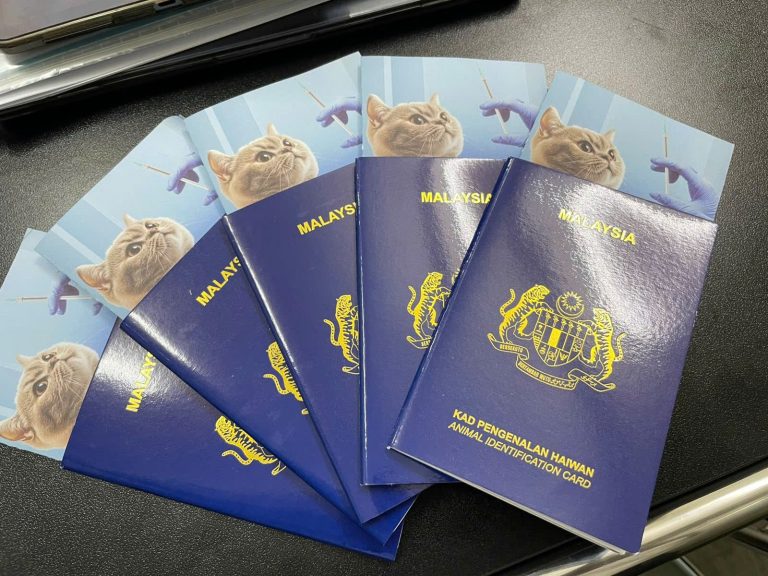
Philip is a male Weimaraner with the breed’s signature silver-grey coat, born on 8 May 2023 and travelling with his owner, a Polish national. His ISO microchip and a completed EU pet passport already covering his rabies vaccination and a passing rabies antibody titer test travelled with him into every country on this trip, Vietnam included. That existing paperwork didn’t excuse him from Vietnam’s own entry requirements — it just meant the Vietnam leg was about layering a new set of documents on top of one that was already valid, not starting from zero.
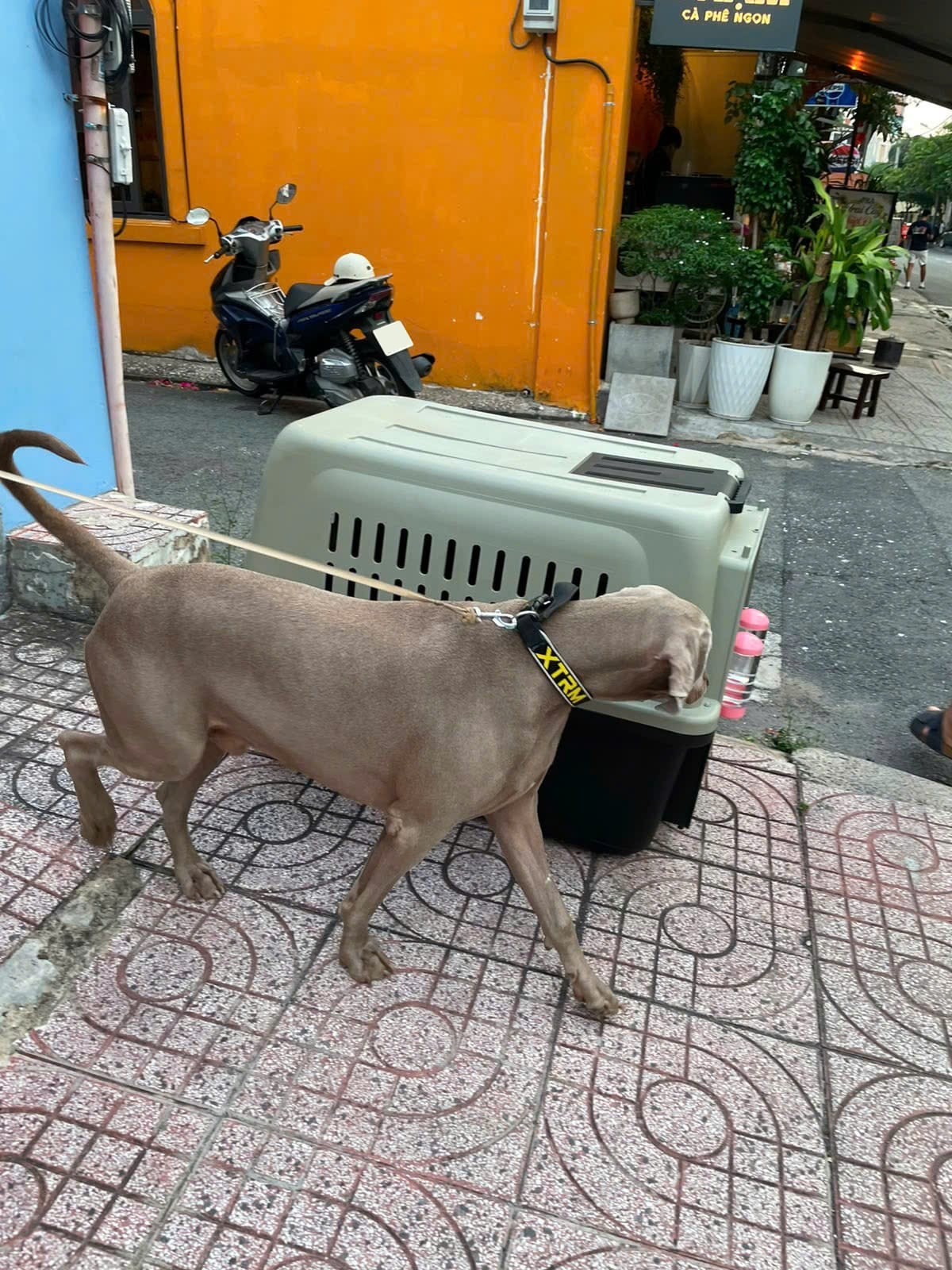
Entering Vietnam from Uganda
Philip flew into Vietnam from Entebbe, Uganda, and on 3 August 2026 the Tan Son Nhat Airport Animal Quarantine Station issued his Animal Import Quarantine Certificate — confirming a clean clinical exam and a rabies vaccination still inside its window of protection, and listing Uganda as the country of export and a private residence in Ho Chi Minh City as his destination. The certificate stayed valid through 2 October 2026, giving Philip nearly two months of legal standing in Vietnam. He used eleven days of it.
A Uganda Health Certificate Before Any of That
Before Philip could leave Uganda at all, a veterinary clinic in Kampala examined him on 23 July 2026 and issued a pre-travel health certificate confirming his rabies and core vaccines were current, his deworming was up to date, and he showed no signs of disease. It’s the same category of paperwork almost every origin country requires on exit, regardless of what a pet is already carrying from earlier legs of a trip — a fresh, dated confirmation that the animal in front of the vet, right now, is fit to fly.
Why the Vietnam Stopover Didn’t Reset His EU Eligibility
Because Philip’s EU pet passport already showed a valid rabies antibody titer test on file, he wasn’t approaching Poland as a first-time arrival from an unlisted country the way a Vietnam-born dog would be. EU entry rules care about whether the vaccination stays current and the passport stays valid — not which countries a pet happens to pass through in between. Vietnam’s import clearance ran alongside that existing record rather than replacing it, which is why this case looked less like starting a new compliance file and more like keeping two files — Vietnam’s and the EU’s — correctly synchronized for eleven days.
The Flight to Warsaw
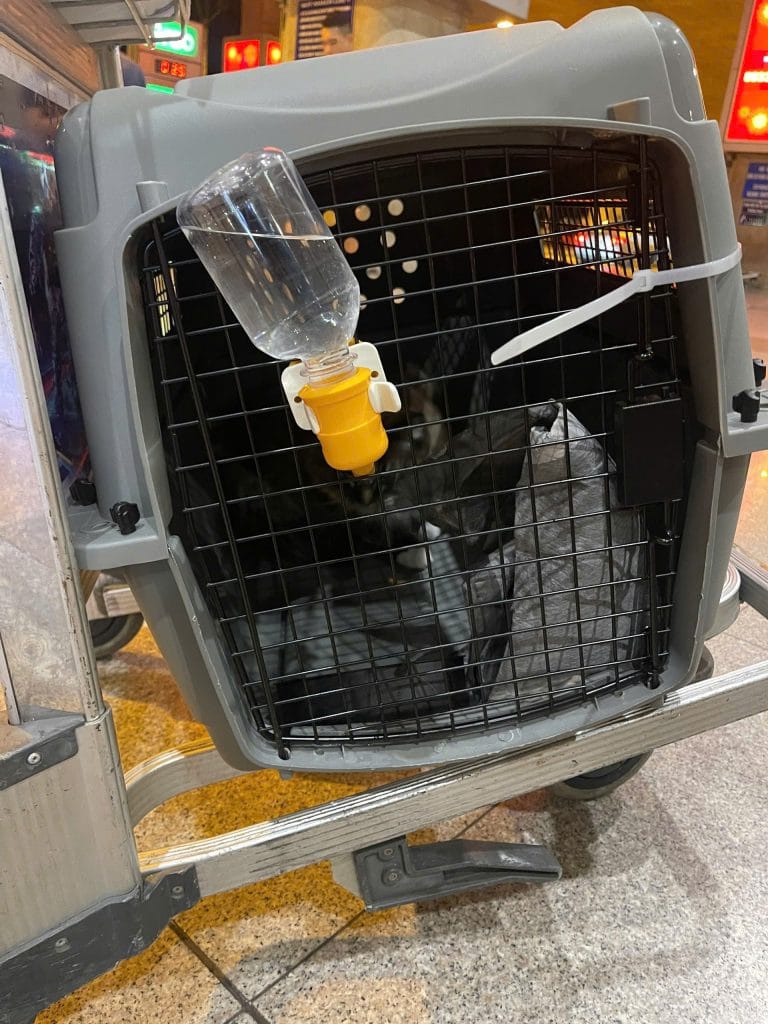
Philip and his owner left Tan Son Nhat on Qatar Airways flight QR971 at 8:00 PM on 14 August 2026, landing in Doha at 11:15 PM. The connection to QR263 departed just under three hours later, at 2:00 AM, comfortably inside the roughly four-hour window IATA recommends as a maximum layover for a live animal in transit, and landed at Warsaw Chopin at 7:00 AM on 15 August.
Home in Poland
By the time Philip’s crate was opened in Warsaw, he’d cleared quarantine paperwork in one country, exit paperwork in another, and a connection timed to stay inside IATA’s live-animal transit guidance — all without ever being the pet a Vietnam case study is usually about. Vietnam was eleven days and one stamped certificate in a much longer trip, and that was exactly the role it needed to play.
Last updated 17 Oct 2026 · First published 1 Sep 2026