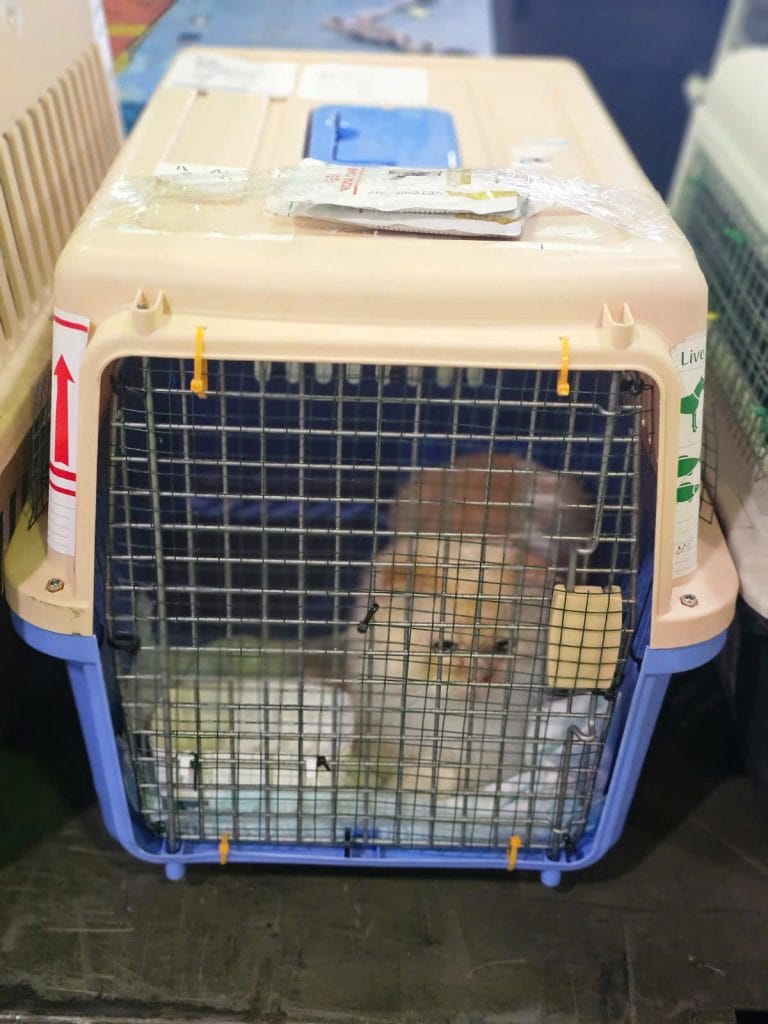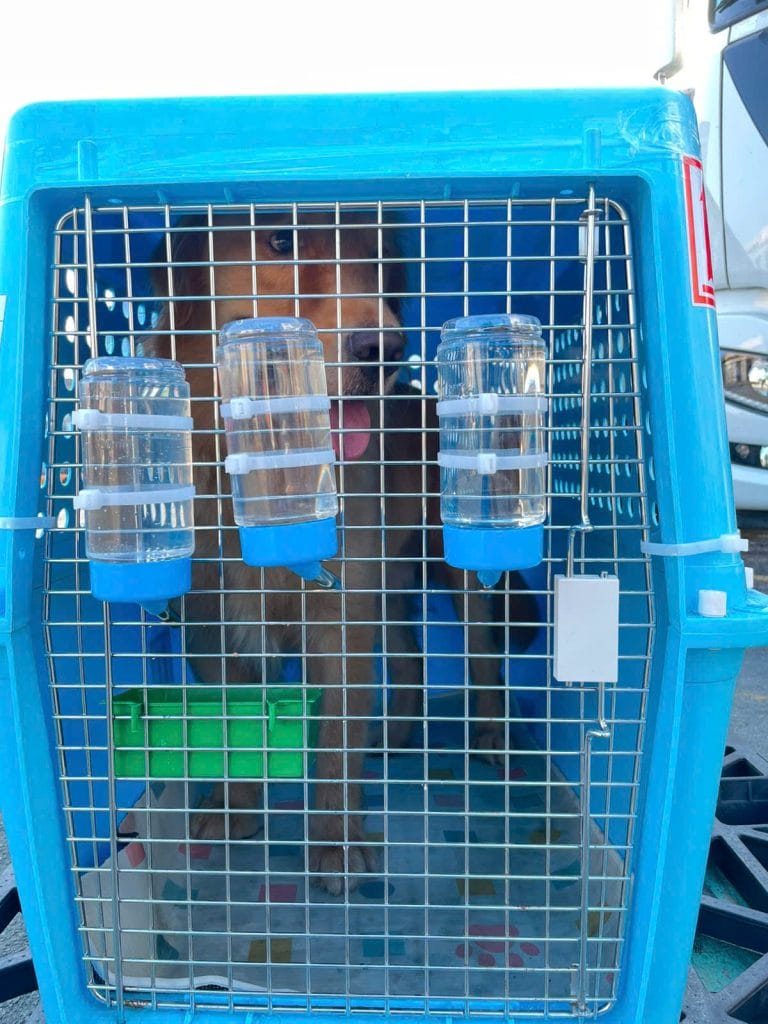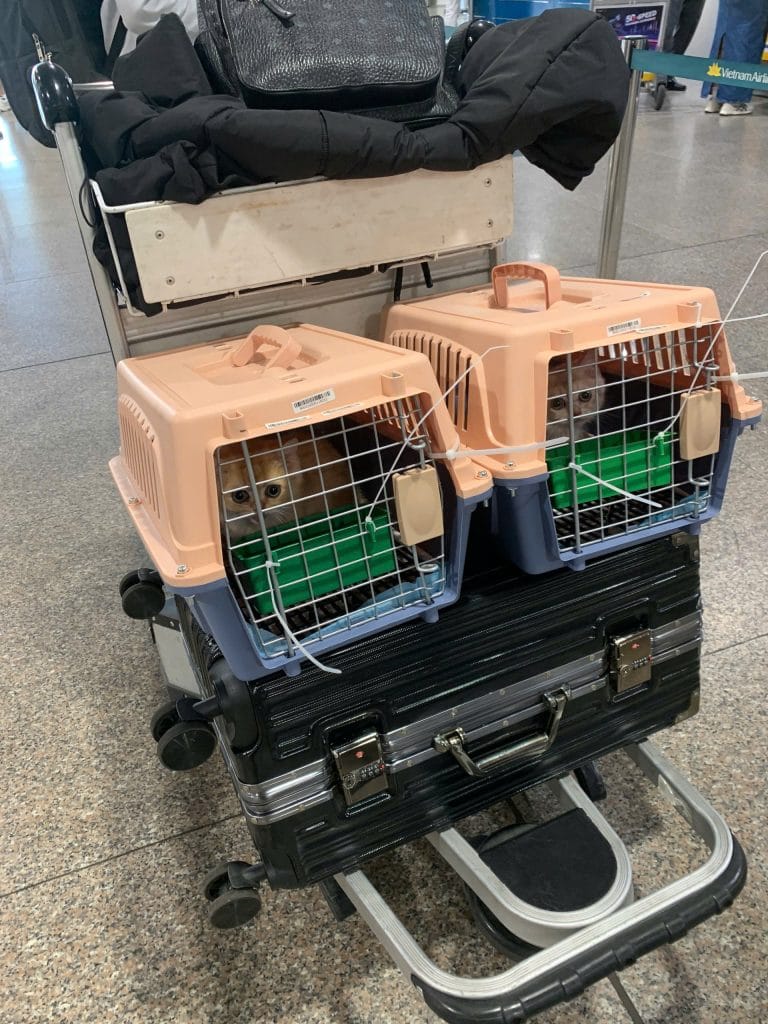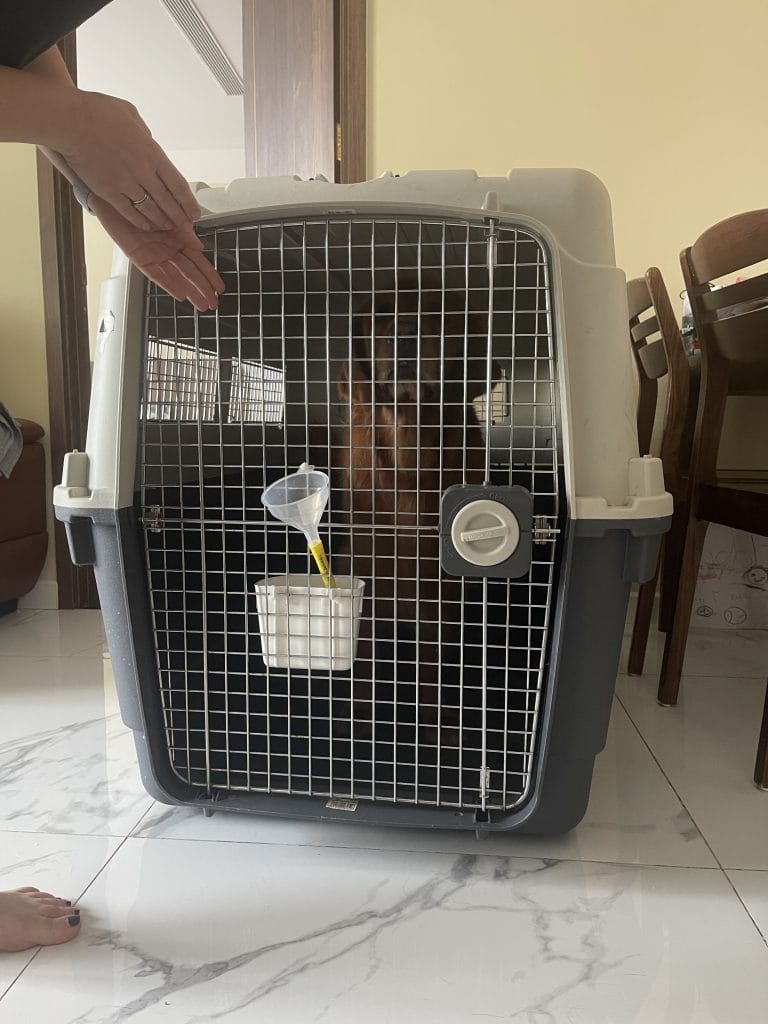
Not every international airport in Germany accepts an arriving pet. That’s a genuinely easy assumption to make — Germany has dozens of airports handling international flights — but pets from a non-exempt country like Vietnam can only clear entry at one of a fixed list of designated points, and landing anywhere else isn’t an option regardless of how complete the paperwork is. This entry point requirement is separate from breed screening, which is worth confirming on its own before booking a flight.
The Full List of Approved Entry Points
Twenty-one airports, seaports, and land crossings are currently approved for pets arriving from outside the EU. A handful of countries — Switzerland, Norway, and a short list of others with special arrangements — are exempt from this restriction entirely, but Vietnam isn’t one of them, so this list is the only way in.
| Airport / point | Code | Airport / point | Code | Airport / point | Code |
|---|---|---|---|---|---|
| Frankfurt | FRA | Munich | MUC | Berlin | BER |
| Hamburg | HAM | Cologne | CGN | Düsseldorf | DUS |
| Stuttgart | STR | Hanover | HAJ | Nuremberg | NUE |
| Bremen | BRE | Dresden | DRS | Leipzig Halle | LEJ |
| Dortmund | DTM | Erfurt | ERF | Frankfurt-Hahn | HHN |
| Kiel | KEL | Münster/Osnabrück | FMO | Paderborn/Lippstadt | PAD |
| Rostock | RLG | Saarbrücken | SCN | Weeze | NRN |
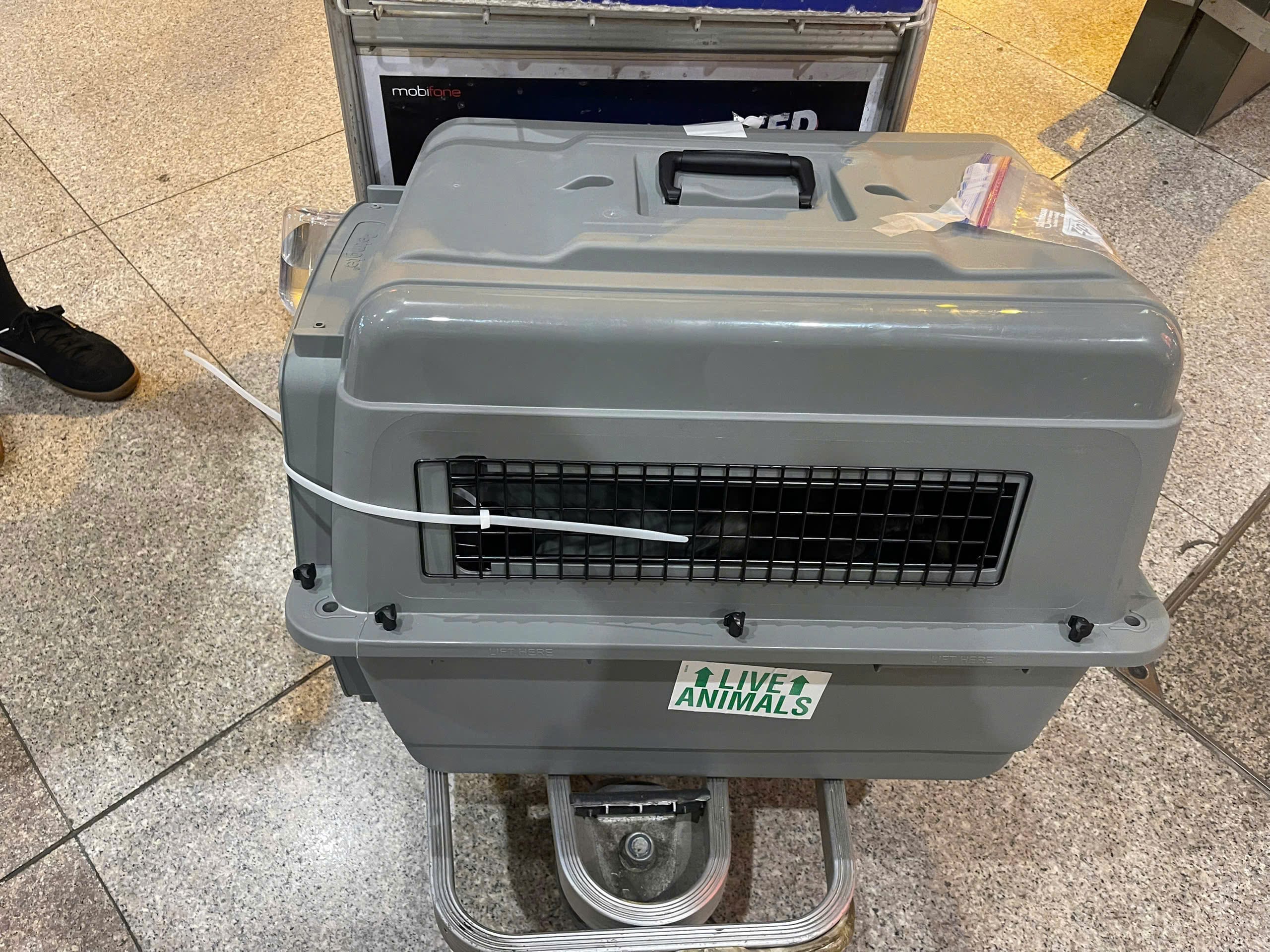
Frankfurt and Munich: The Two Practical Choices From Vietnam
For a route originating in Vietnam, Frankfurt and Munich are the two entry points that make sense in practice, since they’re the destinations most connecting itineraries out of Southeast Asia actually route through. Both have a dedicated veterinary border post on site — Frankfurt’s is run by the Hessen state veterinary border authority (TGSH), Munich’s by Bavaria’s equivalent office (BIP-MUC) — and both handle pet arrivals regularly enough that the process is routine rather than exceptional. The other 19 points on the list are valid, but most see far less pet traffic and are more relevant to travelers already routing through a specific German region for other reasons. See the Germany pet shipping guide for how this step fits into the full sequence.
What Actually Happens on Arrival
Giving the entry point advance notice, ideally at least 24 hours before arrival, is recommended, giving the border post time to have a vet available rather than scrambling one in on short notice. On landing, the process is a document check plus an identity check: the health certificate, vaccination record, and titer test result get reviewed together, and the microchip gets scanned to confirm it matches what’s written on the paperwork. A number that’s off by a single digit is grounds for refusal — this is a matching exercise, not a formality, and it’s the same reason keeping every document consistent matters more than any individual document being “impressive.” The full requirement list behind that paperwork is covered in the Germany pet import law guide.
Before Booking the Flight
- Confirm the arrival airport against this list before booking — a connecting itinerary that lands somewhere off it isn’t fixable after the ticket is issued.
- Default to Frankfurt or Munich unless there’s a specific reason to use another entry point.
- Where possible, notify the destination entry point at least 24 hours ahead of arrival, and double-check the microchip number matches across every document before departure.
Owners moving permanently rather than visiting should also check how this entry process lines up with visa timing in the guide to moving to Germany with pets.
Last updated 17 Oct 2026
Compiled by our specialists from the regulations in force on the date above, for reference only. Rules may change after this date. Please verify with the competent authorities or contact us for the most accurate information.
Official sources cited in this guide
- bmleh.debmleh.de