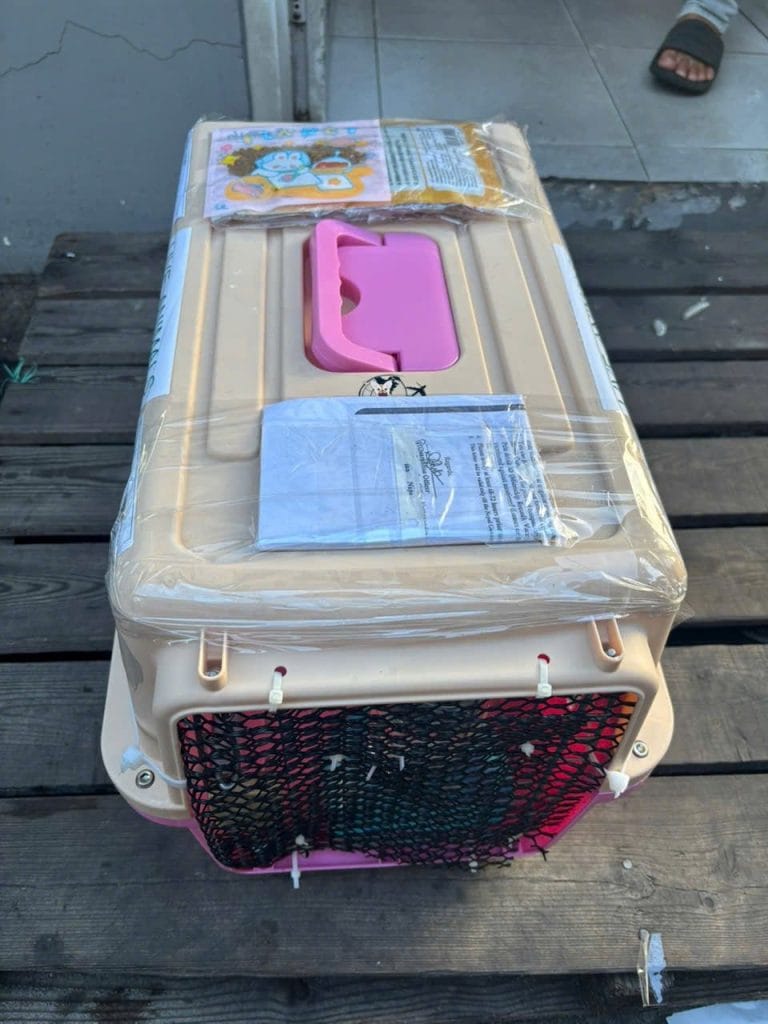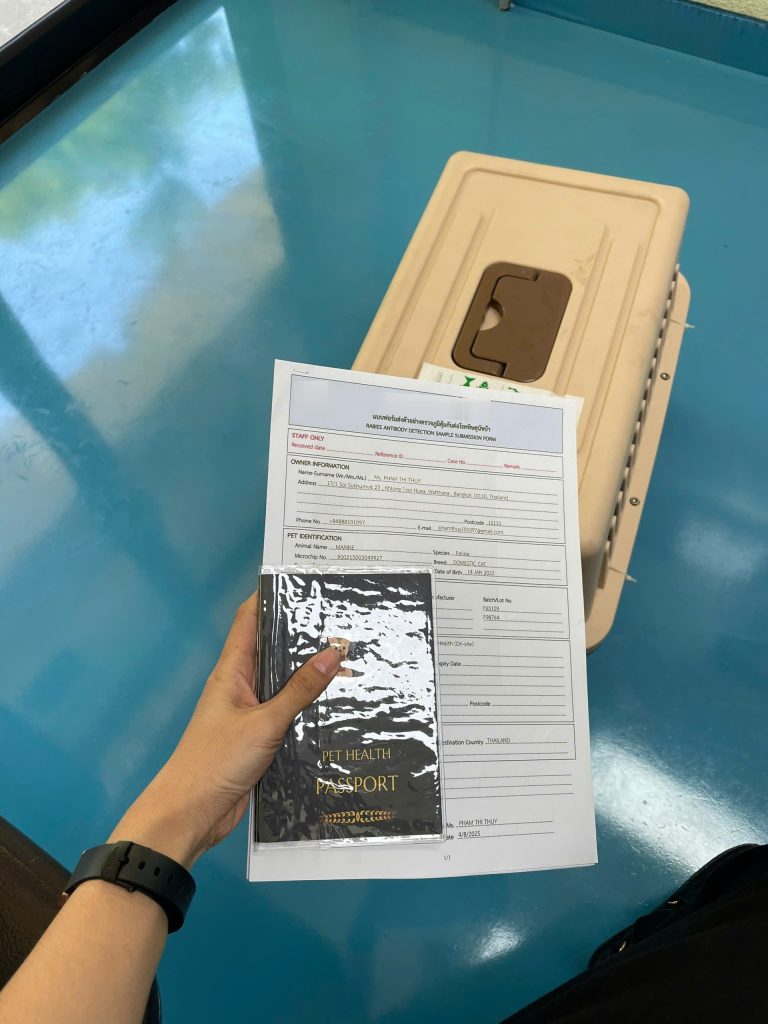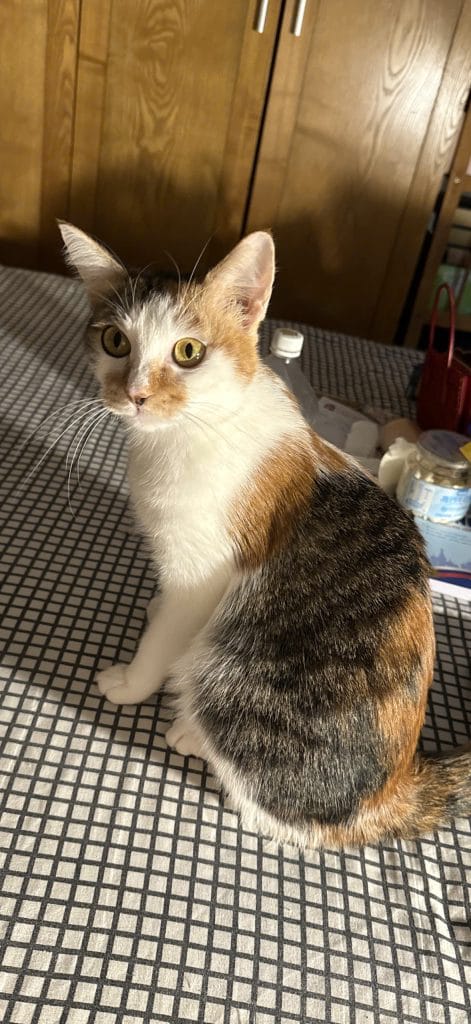
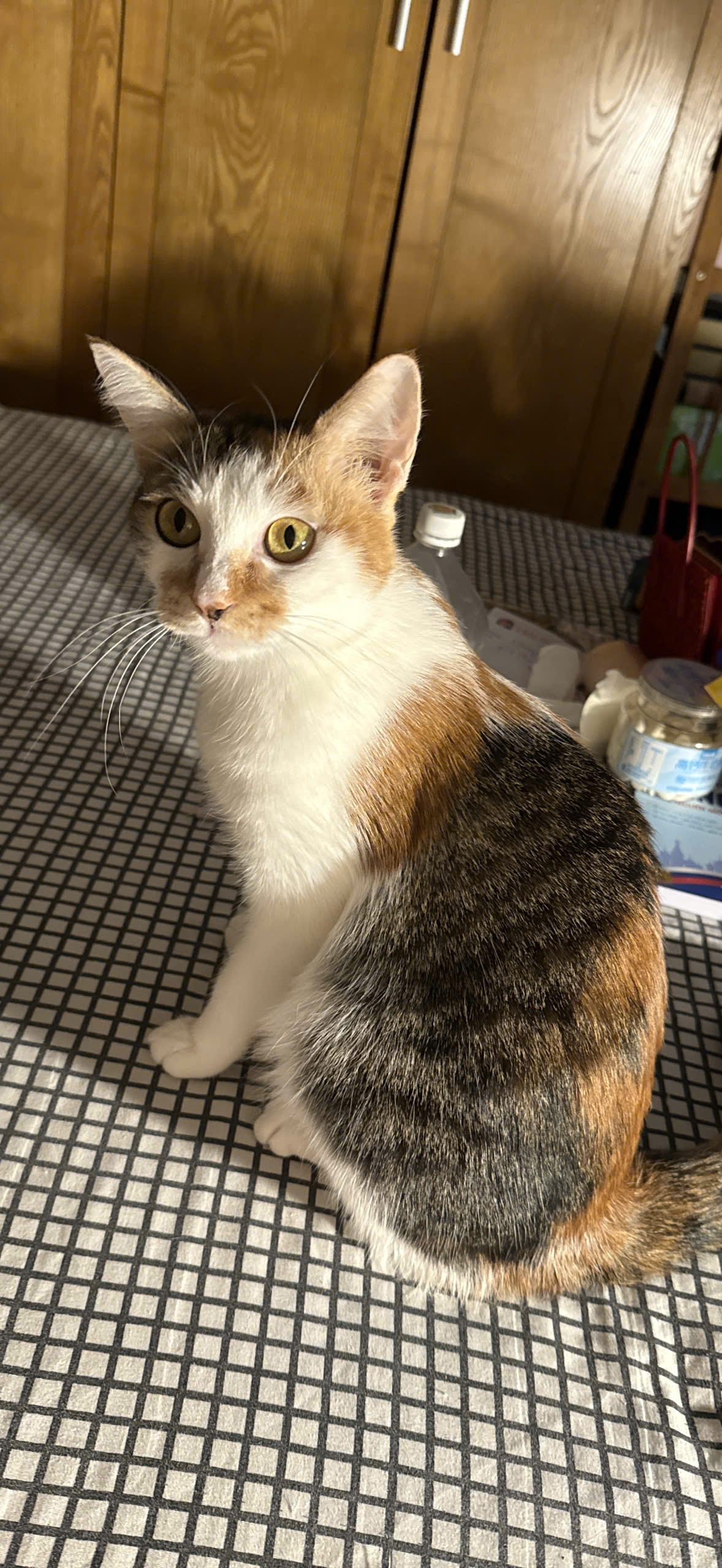
Mít is a calico Domestic Shorthair, not yet three years old, about to fly to Moscow with her owner — a Hanoi student starting a study program in Russia this fall. Like most owners researching a first international pet move on their own, she had read that a vaccination booklet and a routine health check would be enough. It isn’t. Russia’s pet import paperwork is built around a specific customs bloc, not a generic pet passport, and a wrong document can mean a cat gets turned back at the border — or worse. That risk is exactly why the export got booked through Daisy Pet Transport instead of being filed alone.
Why a Vaccination Booklet Alone Doesn’t Clear Russian Customs
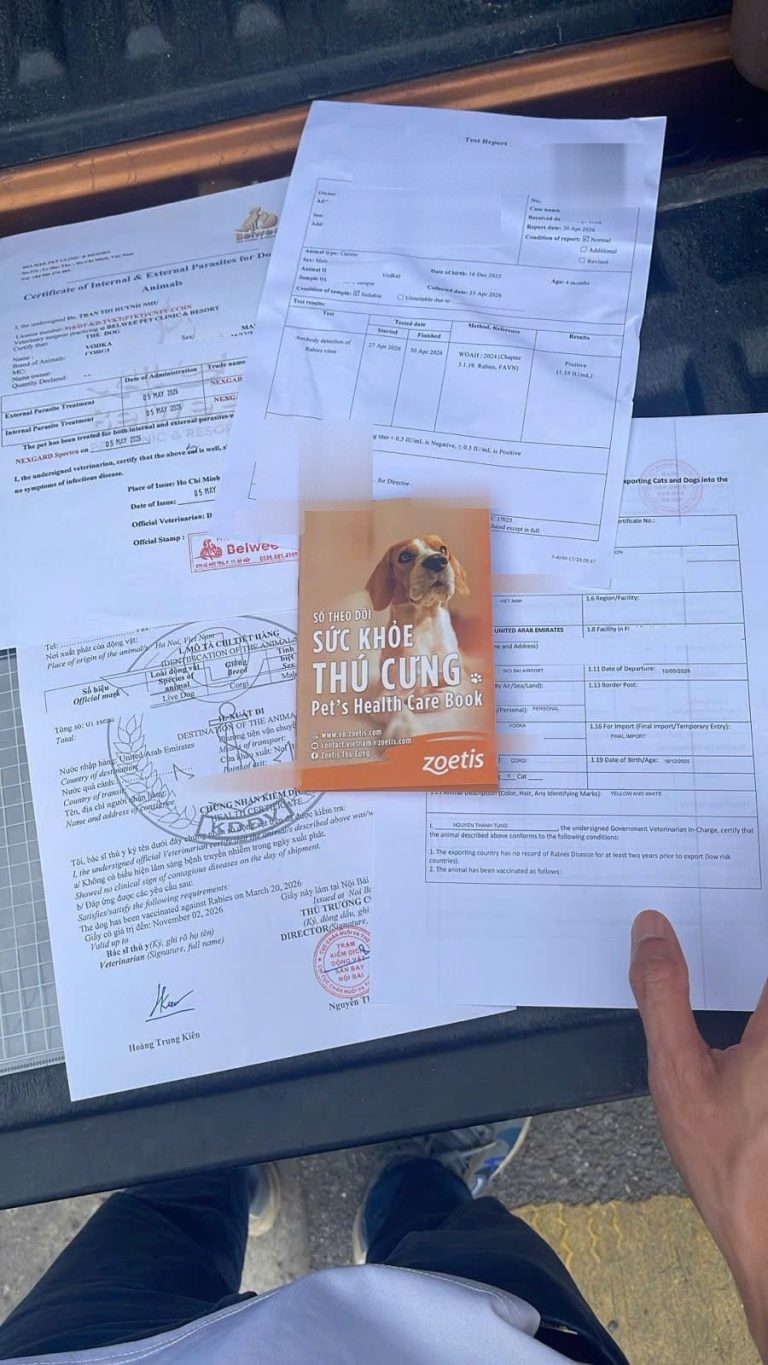
Russia isn’t part of the EU pet passport system. It belongs to the Eurasian Economic Union (EAEU) — a customs bloc it shares with Belarus, Kazakhstan, Armenia, and Kyrgyzstan — and EAEU border agents check for one specific document: Form 15, a bilingual Russian and English veterinary certificate. A vaccination record proves a cat had her shots. It doesn’t prove a state veterinarian examined her days before departure and formally certified her free of contagious disease, which is what Form 15 actually does.
In practice, that certificate isn’t something an owner can request from any private clinic. It has to come from an official animal quarantine authority. For Mít, that meant registering the export with the Nội Bài Animal Quarantine Station before anyone could think about booking a flight.
The Timeline Mít Actually Needed
On paper, the requirements sound simple: a microchip, core vaccines, a rabies shot, and a health check. In practice, each one has its own deadline relative to the flight date, and missing one resets the clock. Mít’s file looked like this:
- Microchip implanted: July 7, 2026
- Core vaccines (panleukopenia, rhinotracheitis, calicivirus): two doses, July 7 and July 28, 2026
- Rabies vaccine: August 19, 2026 — 32 days before departure
- Parasite treatment (internal and external): September 16, 2026
- Air-travel fitness certificate from a licensed clinic: September 17, 2026
- Export quarantine registration at Nội Bài: September 17, 2026
Expert tip: Russia’s own rule only requires the rabies shot 20 days before shipment, with no titer test — unlike EU-bound pets. Daisy Pet still books rabies vaccines against an internal 30-day buffer on every route, Russia included, because a quarantine officer can reject a file over a single missed calendar day, and a rejected file means rebooking a flight that’s already paid for. Mít’s 32-day gap cleared both the EAEU minimum and that buffer with room to spare. Owners planning their own 8-week preparation timeline should build in the same margin.
Two Certificates, Not One
Vietnam’s animal quarantine process for this route actually produces two separate documents, and Russian customs only reads one of them directly. The first is the Animal Health Certificate for Export (Mẫu 13a) — Vietnam’s own domestic record that the export was registered and inspected, issued under certificate No. 166/2026/CN-KDDVXK. The second is Form 15 itself, the EAEU-format bilingual certificate that a Sheremetyevo border vet actually checks against the cat in the carrier.
Both are issued by the same authority, on the same day, after the same clinical exam — but they serve different readers. Skipping either one, or assuming the vaccination booklet stands in for both, is the gap that turns Russia’s pet import rules from a checklist into a real risk at the border.
September 20: Check-In at Nội Bài, Direct to Moscow
Mít flew out on Vietnam Airlines flight VN63, a direct HAN–SVO service departing Nội Bài at 08:20 and landing at Moscow Sheremetyevo at 13:50 — nine and a half hours, nonstop. She travelled as checked baggage (AVIH) on the same flight as her owner, in the aircraft’s temperature-controlled hold, with the pet booking confirmed against seat 15A. Because the route doesn’t transit through a third country, there was no layover paperwork or a second country’s import rules to satisfy — a real advantage over some of the carriers flying this route through the Middle East or Central Asia.
With both certificates in hand and the timeline cleared, check-in went through without a single document questioned.
A vaccination booklet is proof of care. It isn’t proof of clearance — and for a route governed by EAEU customs rather than an EU pet passport, that distinction is exactly where owners researching the move on their own tend to get stuck. For anyone mapping out the full picture for a pet move to Russia, the paperwork chain matters more than the flight itself.
Published 23 Sep 2026