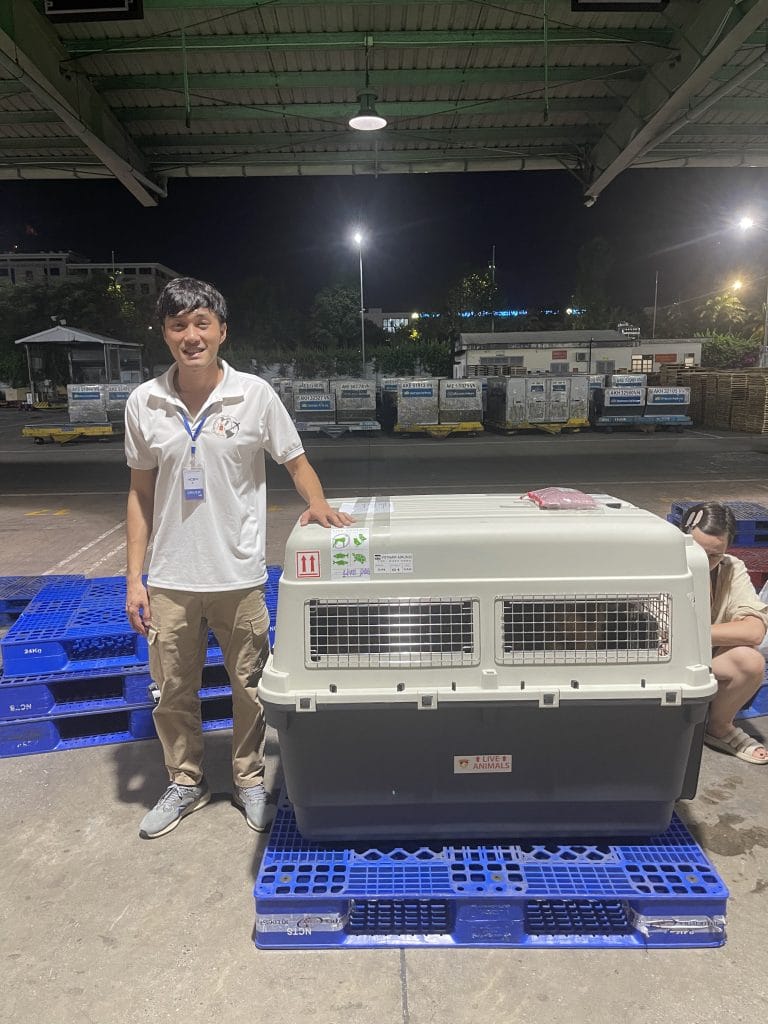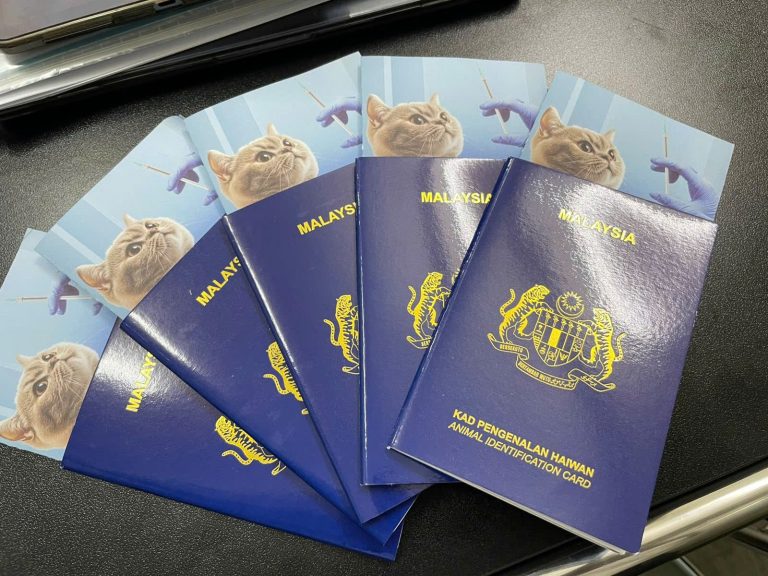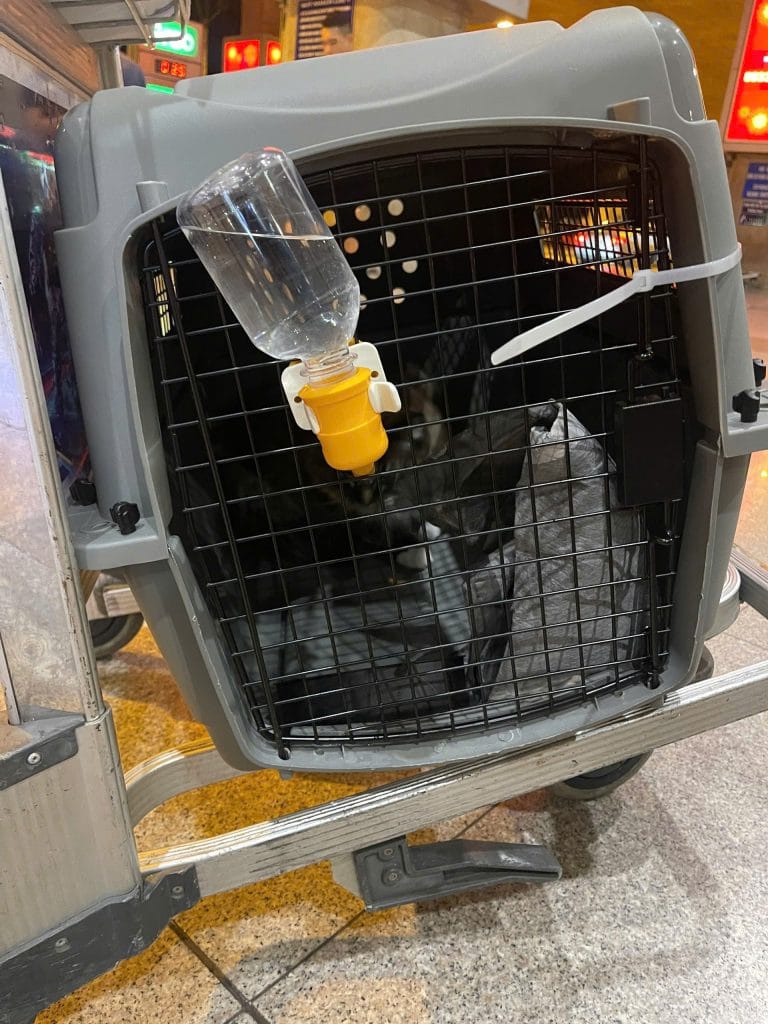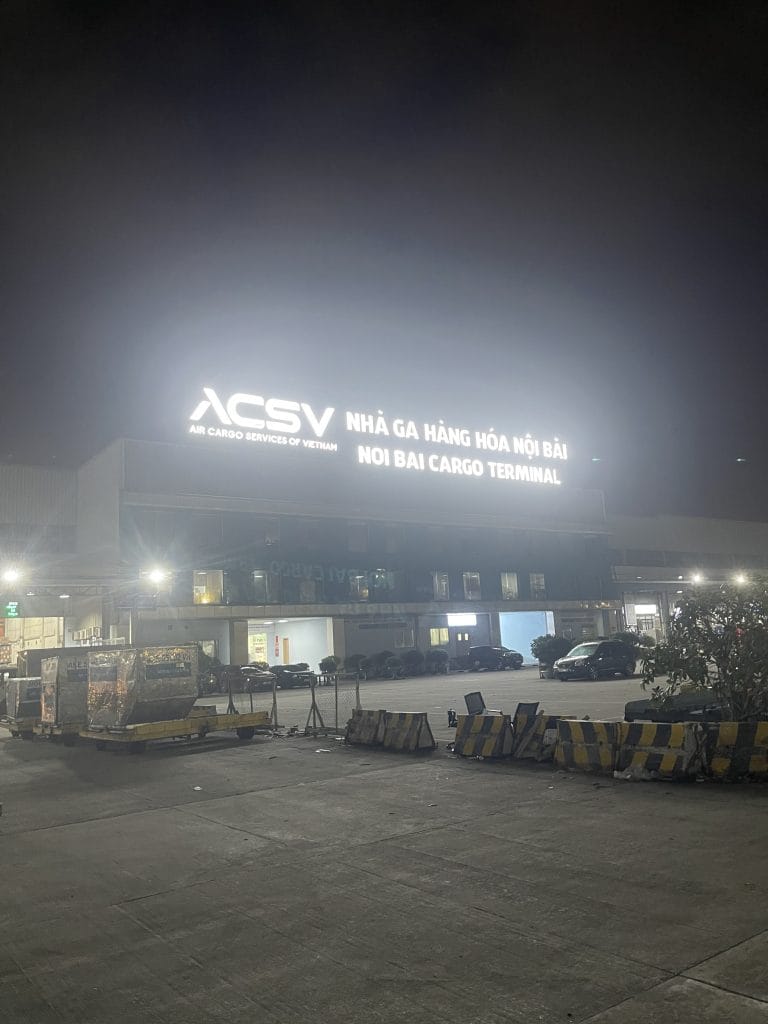
Daisy Pet Transport has compiled the 18 most frequently asked questions from pet owners worldwide. From rabies vaccine timing to airport customs procedures, this guide gives you authoritative answers based on Thông tư 01/2026/TT-BNNMT and real-world operational experience at Tan Son Nhat and Noi Bai airports. Moving back from Singapore? See bringing a pet from Singapore to Vietnam.
For the complete rules behind these answers, see our full Vietnam import guide.
| Category | Key Requirements & Regulatory Notes |
|---|---|
| 1. Export Process (in the departure country) | Depends on the export country: typically an ISO microchip, a rabies vaccination (at least 30 days before the flight, under 12 months old on arrival), a government-endorsed export health certificate, and an export permit where required. |
| 2. Import Process (Vietnam) | File Form 3 (Mẫu 3), the quarantine declaration, with the airport quarantine station (Sub-Dept No. I at HAN, No. VI at SGN); about 48 hours before landing is safest. It is not an import permit. The Import Animal Quarantine Certificate, Form 15a (Mẫu 15a), is issued only after the officer checks the documents, scans the microchip and examines the pet. Shipments of 3+ pets also need Form 19 (Mẫu 19) approved by Cục Chăn nuôi và Thú y first. |
| 3. Flights & Weather | Prioritize direct or short connection flights. Avoid extreme summer heat months due to airline Checked Baggage (AVIH) travel bans caused by runway heat risks. |
| 4. Preparation Timeline | A structured 30-day veterinary schedule executed in chronological order from Day 1 to Day 30. |
1. Veterinary Regulations for Shipping Pets to Vietnam
Q1: What documents does my pet need to enter Vietnam?
Three core documents are required: (1) The original Export Health Certificate issued by the government veterinary authority of your origin country (e.g., USDA in the USA, DAFF in Australia, NParks in Singapore, APQA in South Korea); (2) The original vaccination booklet or pet passport showing full vaccination history including microchip details; (3) A pre-filed Import Quarantine Declaration Form (Form 3 — Đơn khai báo kiểm dịch, required for every pet import, personal and commercial alike) submitted to the Regional Animal Health Office at the port of entry before arrival (Daisy Pet files in person at the airport quarantine station about 48 hours ahead), accompanied by your airline ticket (cabin/AVIH) or Airway Bill (cargo). Commercial shipments of 3+ pets additionally require Form 19 (import registration application) filed in advance with Cục Chăn nuôi và Thú y.
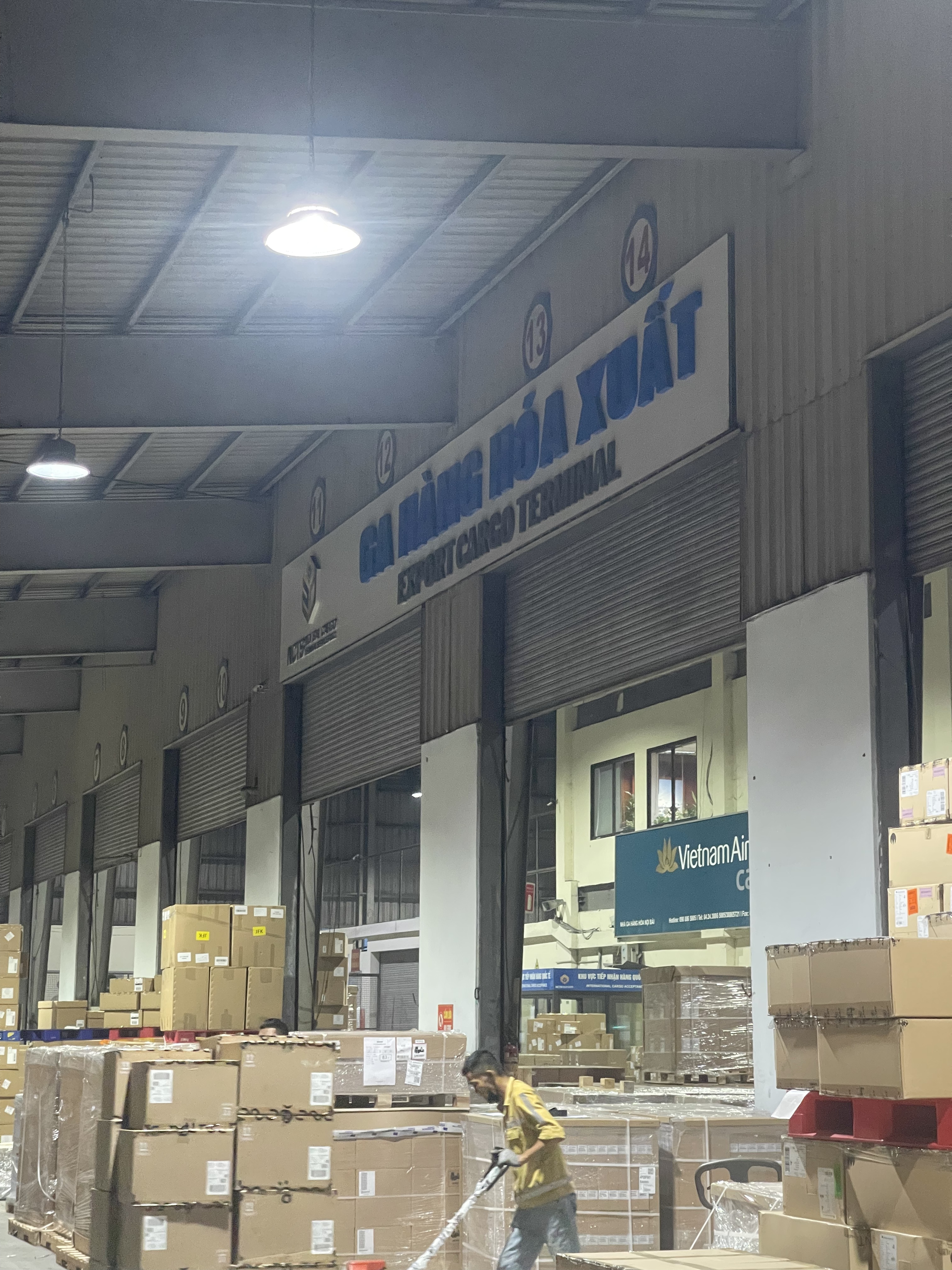
Q2: Does Vietnam require a Rabies Titer Test (RNATT) for pet import?
No. Vietnam does not require a Rabies Neutralizing Antibody Titration Test (RNATT) for any pet entering the country regardless of origin. This makes Vietnam significantly easier to enter than countries like Japan, Australia, and Singapore, which mandate RNATT with long waiting periods. However, if your relocation is temporary and you plan to return your pet to a strict country (Japan, EU, Singapore, Australia), complete the titer test at your origin country before departing for Vietnam — the result remains valid for life if vaccines are maintained.
Q3: Does Vietnam accept 3-year rabies vaccines?
No. Vietnam’s import regulations only recognize rabies vaccines administered within the past 12 months. Even if your origin country’s records show a 3-year validity certificate still within its multi-year window, if the injection date is older than 12 months, Vietnam treats it as expired. A Rabies Booster must be administered at least 30 days before your flight to Vietnam. For the complete dog-specific preparation checklist, see our bringing dog to Vietnam guide.
Q4: What microchip does my pet need for Vietnam import?
An ISO 11784/11785 compliant 15-digit non-encrypted microchip is required. The microchip must be implanted before the primary rabies vaccination — this ordering is critical for health certificate endorsement by the origin country’s government authority. North American pets often carry a 10-digit chip which does not comply; verify with your vet and replace if necessary.
Q5: What is the minimum age for a puppy or kitten to enter Vietnam?
The minimum practical age is 4 months (approximately 16 weeks). Puppies and kittens must be at least 12 weeks old to receive the rabies vaccination, then must wait 30 days after the injection before entering Vietnam. This establishes a strict 16-week (4 months) minimum age for entry. There are no exceptions to this age rule for animals originating from countries where rabies is present.
2. Flight Options and Tarmac Heat Risks When Shipping Pets to Vietnam
Q6: Is there mandatory quarantine when bringing a pet to Vietnam?
No. Vietnam does not impose mandatory quarantine detention at a government facility for non-commercial pets (1–2 animals) with complete and valid documentation. Upon arrival, a Vietnamese quarantine officer performs an on-site clinical examination at the airport. If all documents are in order, the pet is released to the owner within 1–3 hours. Pets are only placed in temporary holding if documents are incomplete or vaccines have expired. Commercial shipments of 3 or more pets do undergo mandatory isolation at a government facility.
Q7: Which airports can my pet enter Vietnam through?
Pets must enter Vietnam through international airports equipped with animal quarantine stations: (1) Tan Son Nhat International Airport (SGN) in Ho Chi Minh City — handled by Regional Animal Health Office No. VI; (2) Noi Bai International Airport (HAN) in Hanoi — handled by Regional Animal Health Office No. I; (3) Da Nang International Airport (DAD) — handled by Regional Animal Health Office No. IV. SGN and HAN are strongly recommended due to 24/7 staffing and the highest volume of live animal experience.
Q8: What is the Import Quarantine Declaration Form, and is it different from the Import Permit?
Vietnam uses two separate forms for pet import, and they are not interchangeable. Form 3 (Đơn khai báo kiểm dịch) is the arrival declaration — required for every pet import, personal (1–2 pets) and commercial alike. The owner or authorized agent submits Form 3 to the Regional Animal Health Office at the port of entry (Chi cục Thú y Vùng VI for SGN, Vùng I for HAN) before landing (Daisy Pet files in person at the airport quarantine station about 48 hours ahead; earlier if that falls on a weekend or public holiday), accompanied by your airline ticket. For unaccompanied pets (Cargo), file Form 3 along with the Airway Bill (AWB). Form 19 (Đơn đăng ký kiểm dịch động vật nhập khẩu) is a separate advance registration application filed with Cục Chăn nuôi và Thú y before Form 3, and it only applies to commercial shipments of 3 or more pets — personal imports of 1–2 pets skip it entirely. After the on-arrival inspection, the office issues the Import Animal Quarantine Certificate (Giấy chứng nhận kiểm dịch động vật nhập khẩu, Form 15a). Neither Form 3 nor Form 19 is an import permit: filing Form 3 does not clear your pet, Form 15a does.
Q9: How long does customs clearance take for pets in Vietnam?
For pets with complete documentation and a pre-filed Form 3, the airport customs process takes 1–3 hours at both SGN and HAN. The quarantine officer performs a clinical examination, verifies all original documents, and checks your Form 3 against the documents. Pets arriving without a pre-filed Form 3 face significantly longer processing times and potential temporary holding.
Q10: What happens if my pet’s documents fail the customs check?
If any document is missing, expired, or inconsistent (e.g., microchip not on the health certificate, rabies vaccine older than 12 months), there is no fixed list of outcomes: the quarantine officer decides case by case, based on the documents and the pet’s condition. Outcomes range from a delayed release while documents are corrected, to return to the origin country, quarantine or, for an animal with a dangerous infectious disease, destruction. This underscores the importance of pre-travel document verification by an experienced pet relocation specialist.
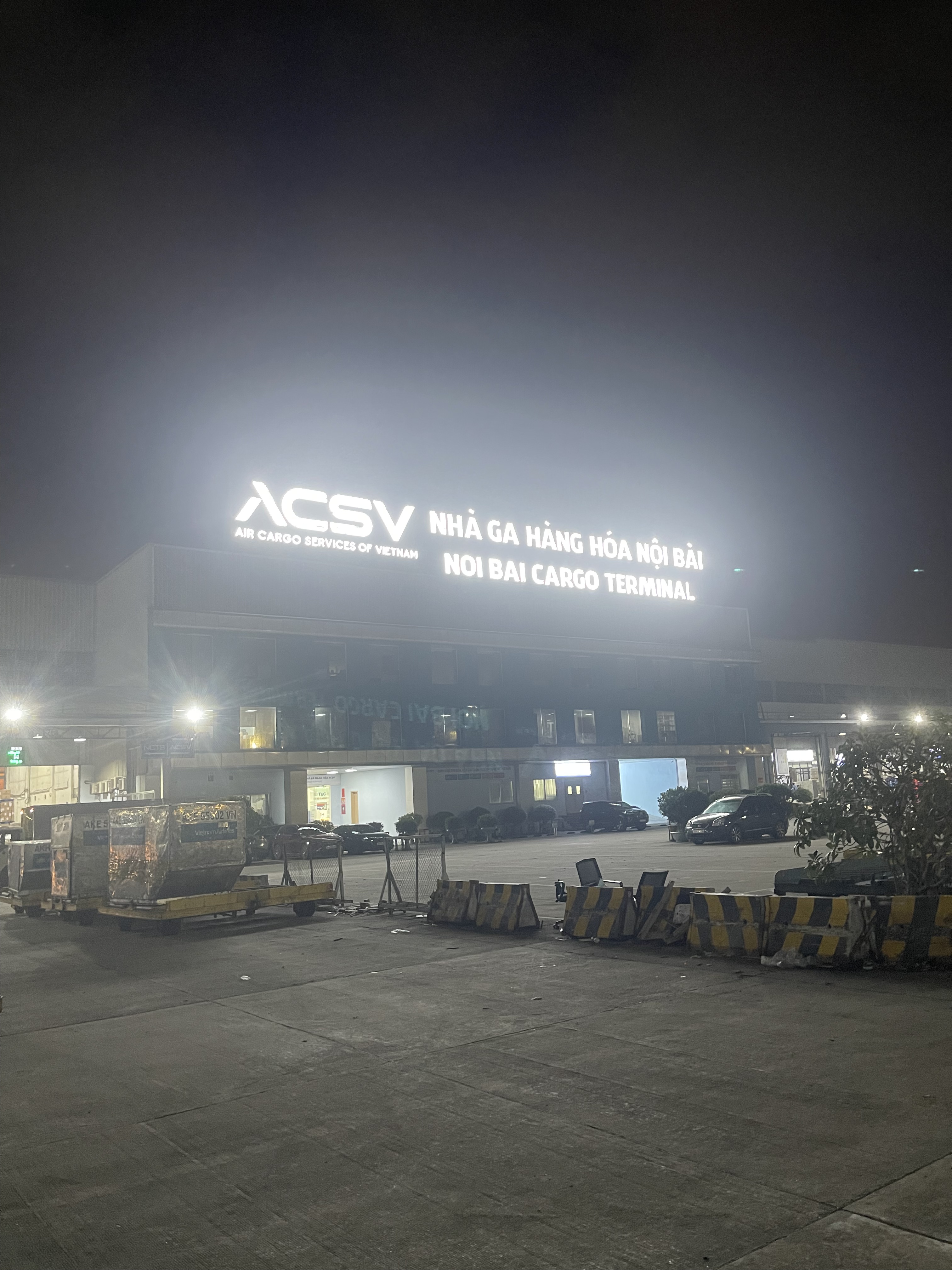
3. Airlines, Breeds & Special Cases
Q11: Are any dog breeds banned from entering Vietnam?
Vietnam’s national legislation does not ban any specific dog or cat breeds from import. However, airlines enforce their own breed restrictions. Brachycephalic (flat-faced) breeds including French Bulldogs, Pugs, Boston Terriers, Bulldogs, Persian cats, and Exotic Shorthairs are refused by almost all airlines for hold transport (AVIH/Cargo) due to high risk of respiratory distress. Small ones may fly in the cabin on airlines that allow it — Vietnam Airlines does not, as its breed list applies in the cabin too — otherwise the only route is Manifest Cargo on an airline that accepts the breed, arranged by a licensed pet transport specialist. For a complete airline breed restriction breakdown, see our Vietnam breed & airline restrictions guide.
Q12: Can I bring my cat or dog in the cabin on the flight to Vietnam?
Yes, on airlines that offer it. Vietnam Airlines takes dogs and cats in the cabin up to 6kg including the carrier (35 × 30 × 20 cm); other carriers set their own limits, often 7–8kg. Book the cabin spot in advance. Bamboo Airways’ pet policy page is still online, but since August 2026 its booking site has shown almost no scheduled flights and its hotline is often unreachable, so it may no longer accept pets in practice. Not all airlines operating into Vietnam accept cabin pets — confirm with your carrier. The pet must stay in a carrier that meets the airline’s rules and fits under the seat for the entire flight.
Q13: How many pets can I bring to Vietnam without commercial import rules?
You may bring 1–2 pets under non-commercial (personal) import rules, with no Form 19 needed: you file Form 3, and your pet clears once Form 15a is issued. Bringing 3 or more pets triggers commercial import regulations: you must first submit Form 19 (import registration application) to Cục Chăn nuôi và Thú y and receive its approval before travel, then file Form 3 before the shipment reaches the border, complete a commercial customs declaration, and undergo mandatory isolation at a government quarantine facility. A Split AWB strategy is recommended for owners relocating with 3+ pets to keep shipments under the 1-2 non-commercial limit. See our guide to importing 3+ pets for the full commercial process.
Q14: Does my pet need a health certificate if flying from a rabies-free country?
Yes. Vietnam requires the Export Health Certificate regardless of the origin country’s rabies status. Countries classified as rabies-free (Australia, New Zealand, UK, Japan, Singapore) still require a government-endorsed health certificate stating the animal is clinically healthy and meets Vietnam’s import requirements. The certificate format differs by country of origin.
Q15: Can I bring my pet by land border into Vietnam from Laos, Cambodia, or China?
Yes, but only through designated land border crossings equipped with animal quarantine stations. Not all border gates accept live animals. Pets must have identical documentation to air arrivals: government health certificate, vaccination records, and pre-filed Form 3 (noting that commercial shipments of 3+ pets also require Form 19, the advance import registration application).
Q16: Do cats have different rules from dogs in Vietnam?
No. Vietnam’s current regulation (Thông tư 01/2026/TT-BNNMT) applies identical import requirements to both dogs and cats. The same microchip standard, rabies vaccine timing, health certificate, and Form 3 filing rules apply to cats as to dogs. In practice, cats are often easier to transport in-cabin (PETC) due to lower weight compared to dogs, reducing the need for cargo or checked baggage arrangements. For a cat-specific step-by-step guide, see our bringing cat to Vietnam guide.
Q17: What is the cost of shipping a pet to Vietnam?
Total costs vary significantly by origin country, pet size, and transport mode. Basic AVIH checked baggage or cabin travel customs clearance fees in Vietnam run approximately $350 – $450 USD, while Manifest Cargo clearance ranges from $950 – $1,150 USD. Total airline ticket fees and shipping costs are separate (AVIH airline fees run USD 300–800, long-haul Cargo ranges from USD 1,500–4,000+). View our complete cost breakdown guide for itemized pricing by route.
Q18: If my final destination is Da Nang or Nha Trang, do I still clear customs at SGN or HAN?
Yes. Regardless of your final domestic destination, your pet must clear international customs at the first international airport of entry (SGN or HAN). After customs clearance, you must obtain a Domestic Transit Quarantine Certificate from the airport quarantine office if you intend to fly your pet on a domestic connection. Alternatively, a private pet ground transport (pet taxi) service is the most stress-free option for onward domestic travel.
Last updated 17 Oct 2026
Compiled by our specialists from the regulations in force on the date above, for reference only. Rules may change after this date. Please verify with the competent authorities or contact us for the most accurate information.