Most owners plan an Indonesia shipment backward from the flight date, working out what’s due when. That gets the order wrong. The real anchor point is the rabies vaccination — everything else, including the earliest date the titer test can legally be drawn, is calculated forward from that single shot, not backward from departure. See the Indonesia pet transport guide for how this timeline fits into the full process.
Part 1: Why the Rabies Shot Is the Anchor, Not the Flight Date
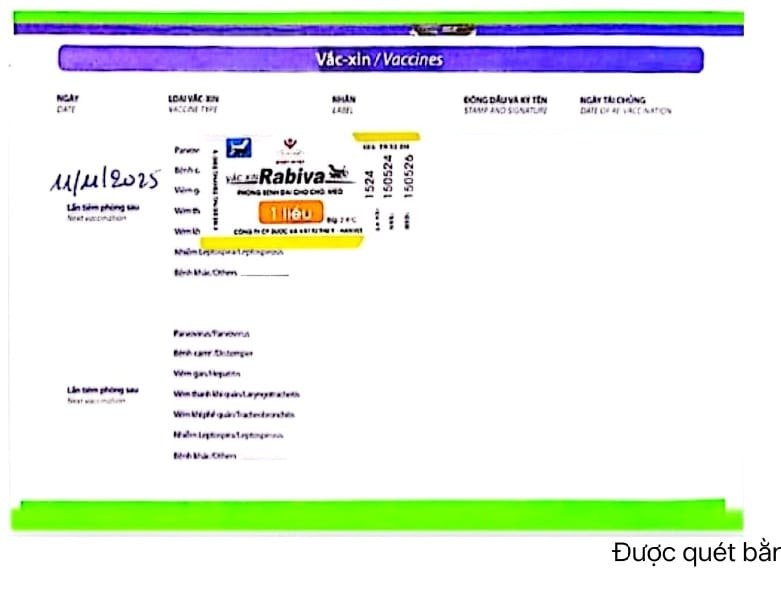
Indonesia requires the rabies antibody titer test to be drawn at least 30 days after the vaccination — not 30 days before departure. Drawing blood earlier than that produces a result Indonesia will not accept, no matter how high the titer reads. That single rule is why the vaccination date, not the flight date, has to be the first thing fixed on the calendar.
Part 2: The Full Sequence, Step by Step
| Step | Details | Timing |
|---|---|---|
| 1. Microchip and rabies vaccination | The microchip goes in first, then the rabies vaccine — in that order, since every later document has to reference the chip number. The vaccine must be an inactivated type. | Day 1 — starts the clock for everything that follows |
| 2. Wait 30 days, then draw the titer test | The rabies antibody titer test (RNATT) can only be drawn 30 days or more after the vaccination date. A laboratory in Vietnam can run this test, so there’s no need to build in extra weeks for shipping a sample abroad. See the RNATT guide for how the result itself is read. | 30 days or more after vaccination |
| 3. Apply for the import permit | The import permit from Indonesia’s Directorate General of Livestock and Animal Health Services is valid for 3 months from issue — apply too early and it can expire before travel; apply too late and it may not clear in time. The application has to be filed by an Indonesia-based agent, not the owner. | Start well before the target departure date, not the final week |
| 4. Book the flight and notify the Animal Quarantine Office | Choose the cabin, AVIH (checked baggage) or cargo. Indonesia accepts all three, and Vietnam Airlines takes a pet in the cabin if the pet and carrier weigh under 6 kg together; see the Indonesia airline guide. Notify Indonesia’s Animal Quarantine Office at least 2 days before departure — a shorter notice window than owners often expect. | Once the permit timeline is set |
| 5. Get the health certificate | The tightest window of any document on this list: the exam must happen at most 5 days before departure, not the 10-day figure that circulates on some older guides. See the health certificate guide for what the exam covers. | At most 5 days before departure — the last document obtained |
| 6. Fly, then clear quarantine on arrival | Arrival in Indonesia means mandatory quarantine before release, regardless of how complete the paperwork is. A pet cannot continue on to Bali afterwards — see why pets can’t be brought to Bali. | On arrival, before release |
Total preparation time for this route runs about 3 months end to end — set mainly by the 30-day post-vaccination wait before the titer draw, plus the lead time the import permit and health certificate deadlines need around it. See the Jakarta quarantine guide for what happens after Step 6.
Part 3: Where Most Timelines Actually Break
The most common planning mistake isn’t missing a document — it’s drawing the titer test too early, before the 30-day mark, because the owner was working backward from a flight date instead of forward from the vaccination date. The second most common mistake is applying for the import permit too far in advance and watching its 3-month validity run out before departure. Both are scheduling errors, not paperwork errors, and both are avoidable by anchoring the whole plan to the vaccination date on day one. For the rules behind each step and quick answers to common questions, see the Indonesia pet import laws and FAQ.
Last updated 20 Oct 2026
Compiled by our specialists from the regulations in force on the date above, for reference only. Rules may change after this date. Please verify with the competent authorities or contact us for the most accurate information.